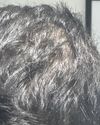
A 19-year-old using finasteride for hair loss seeks advice on additional treatments. Suggestions include microneedling, minoxidil, and ketoconazole shampoo, with concerns about side effects discussed.
The user shared positive results from using Minoxidil twice daily, Finasteride 1mg, and microneedling for hair loss, noting improved hair density and mental health. They emphasized the importance of consistency and patience, mentioning initial shedding phases but no significant side effects.
An 18-year-old experienced hair regrowth using 5% liquid minoxidil and plans to start finasteride at 19. The user noticed thicker hair and new growth, particularly around the temples, and feels more confident.
Ketoconazole shampoo helps reduce hair shedding and improve thickness for some, but can cause dryness or irritation. Its effectiveness compared to finasteride or minoxidil varies among users.
A 21-year-old shared his successful hair recovery journey using topical Minoxidil and Finasteride, along with derma rolling, a high-protein diet, regular exercise, and ketoconazole shampoo. He reported significant hair regrowth over 1.5 years, attributing his success to consistent use of these treatments.
A 34-year-old male is experiencing significant hair shedding after five months on Finasteride, seeking advice and reassurance. Users suggest patience, as shedding can vary, and recommend continuing treatment, possibly adding ketoconazole shampoo, and considering lifestyle optimization.
The user is experiencing hair loss and confusion over conflicting medical advice, with treatments including minoxidil, finasteride, and topical corticosteroids. They are unsure about the necessity of a biopsy and the timing of using minoxidil, while also considering the impact of potential androgenetic alopecia and telogen effluvium.
Poor diet and lifestyle contribute to male pattern baldness. Treatments like Minoxidil, dietary changes, and lifestyle adjustments may help slow hair loss.
Many younger men are experiencing hair loss due to genetics, diet, stress, and lifestyle changes. Treatments like finasteride and minoxidil are mentioned, with some users noting improvements.
A user shared a 15-year experience using minoxidil and finasteride for hair loss, stating that despite never missing a dose, their hairline continued to recede slowly. Other users suggested that the hair loss might be exacerbated by the use of steroids and recommended considering other treatments like dutasteride and RU58841.
A 32-year-old has seen positive hair growth after 4.5 months using 0.5mg daily of oral dutasteride and 5mg of oral minoxidil, despite previously losing hair due to stopping medications and wearing a hair system. They plan to continue treatment and are considering adding dermarolling to their regimen, with a hair transplant scheduled for the following year.
The user achieved significant hair regrowth using oral and topical minoxidil, finasteride, microneedling, ashwagandha, and amla powder. They experienced some side effects like low libido from finasteride but reported no major issues with minoxidil.
The conclusion of the conversation is that some users have had positive results with finasteride for hair loss, while others have not. The effectiveness of finasteride varies from person to person.
The conclusion of this conversation is that the user experienced hair regrowth and increased overall hair thickness after using dutasteride and derma pen treatments for 5 years. They did not experience any side effects.
A user who has been shaving his head for 15 years looking for potential treatments to regrow hair; the replies range from advice to try out medications such as finasteride and minoxidil, to suggestions of changing up his look with facial hair or hobbies.
HMI-115, a newly discovered hair loss treatment that could potentially be effective for those with diffuse thinning and telogen effluvium. It is based on prolactin receptor antagonist signaling and has already undergone Phase I trials in women, with potential commercialization by 2027.
User reports 3-month progress using Fin 0.5mg/day, 1x minox 5%, keto shampoo every 3 days, and microneedling 1.5mm a week. Others suggest shaving sides or trying shaved head look, while some discuss side effects and dosages.
User shares 1-year progress using topical finasteride and minoxidil for hair loss, with positive results. Some users discuss trying topical dutasteride and varying dosages, while others share their experiences and ask about specific products.
Celonius discusses hair loss and plans for a FUE Hair Transplant, but worries about how it will look when shaved in the future. Derhab21 suggests going for the transplant and mentions potential future treatments like Breezula and stem cell injections.
A woman experiencing severe hair loss since age 20 is seeking advice on hair transplants for women. Minoxidil hasn't worked for her, and she's considering shaving her head or getting a wig.
Hair loss may be linked to the TRPS1 gene and protein, not just DHT. Amplifica's AMP-303 targets mesenchymal stem cells and shows promise in treating hair loss, unlike Pelage's PP405.
A permanent hair loss solution could involve reprogramming hair follicles to resist DHT using mRNA and siRNA. However, high costs, safety concerns, and the pharmaceutical industry's preference for ongoing treatments over one-time cures are major obstacles, with finasteride and minoxidil remaining standard treatments.
A 34-year-old man has used finasteride for 10 years and dutasteride for 1 year to manage hair loss, experiencing minimal side effects and slight hair thinning. He plans to continue using finasteride, ketoconazole shampoo, and oral liquid finasteride, noting that cost and convenience influenced his dosage choices.
The user regrets their hair transplant after 5 months due to patchy and thin hair, despite starting finasteride at the same time. Many recommend waiting 12-18 months for results and using finasteride and minoxidil before and after the transplant.
Dutasteride can stabilize or improve hair loss but may cause side effects like depression and anxiety. Users often switch from finasteride to dutasteride for stronger results, with varied experiences in shedding and regrowth.
Hair loss is linked to cellular physiology and the IGF-1 to TGF-B1 ratio, not just androgen sensitivity. The theory lacks evidence, while finasteride and minoxidil are effective treatments.
A user reported significant hair regrowth using a homemade 0.01% topical finasteride solution, highlighting its effectiveness and lack of side effects. The discussion included concerns about oral finasteride's side effects and the benefits of topical solutions.
A 20-year-old is experiencing hair thinning and seeks advice on starting treatment and regrowing hair. They are considering using Minoxidil, finasteride, or RU58841.
A 39-year-old experienced hair regrowth on his temples after switching from finasteride to topical RU58841 combined with 5% minoxidil. He also underwent stem cell treatment and noticed improvements, attributing the regrowth mainly to the change in treatment.