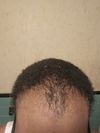
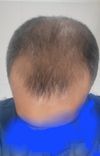
A 24-year-old noticed hair thinning over 4-6 years and is seeking advice on whether it can be salvaged. Treatments mentioned include Minoxidil, finasteride, and RU58841.
A user shared progress pictures after 50 days of using finasteride, topical minoxidil, and ketoconazole shampoo for hair loss, noting significant hair growth and expressing surprise at the results. They plan to continue the treatment and possibly incorporate a dermastamp and increase minoxidil application if growth plateaus.
The conversation discusses hair thinning and treatments like Minoxidil, finasteride, and RU58841. The user is concerned about distinguishing between natural hair parting and actual thinning.
The user experienced significant hair regrowth after taking oral finasteride and minoxidil for four months. They reported no major side effects and are pleased with the progress.
Many users found shaving their heads liberating and freeing from the stress of hair loss treatments like finasteride, despite concerns about attractiveness. Some embraced baldness, while others experimented with regrowth or hair transplants, but overall, acceptance led to increased confidence.
A 29-year-old male started using finasteride and minoxidil in September, gradually increasing the dosage, and is pleased with the progress, especially in the hairline and temple areas. He also uses keto shampoo for dandruff but plans to consult a trichologist due to ongoing scalp issues.
The user is experiencing early hair loss and is using finasteride, Rogaine, biotin, vitamin D3, and Nizoral. They are concerned about whether starting treatment early will help them keep their hair despite strong genetic predisposition to balding.
A user decided to stop using finasteride due to side effects and chose to shave their head instead. They plan to use the money saved for a hair transplant towards a house downpayment, hoping for future advancements in hair cloning.
A 31-year-old experiencing rapid hair loss is considering whether to shave their head or use treatments. They were prescribed B12, topical finasteride 0.1%, and minoxidil 10% but are unsure about the correct dosage and potential side effects.
Diffuse thinning is worse than a receding hairline as it affects the entire scalp, complicating styling and hair transplants. Treatments like finasteride, minoxidil, dutasteride, and RU58841 are mentioned, with some users noting improved hair density.
The post is a humorous take on the author's experience with hair loss and using finasteride for six months. The conversation includes discussions about hair loss, treatments like finasteride, and personal experiences with baldness.
A user is experiencing severe hair loss and dandruff, trying various treatments including Minoxidil, Nizoral 2% Ketoconazole, Neutrogena T/Gel, coconut oil, baby shampoo, apple cider vinegar, aloe vera gel, and tea tree oil. They believe the issue is not genetic and are seeking advice and solutions.
A user experienced rapid hair loss despite taking finasteride 1mg and undergoing PRP treatment. They also take a supplement with biotin, iron, zinc, and calcium but have not seen improvement.
A user shares their struggle with hair loss despite trying treatments like finasteride, minoxidil, and dutasteride, and expresses frustration over ineffective medical advice and a failed hair transplant. Others in the conversation suggest alternative treatments, acceptance of baldness, and focusing on other life aspects.
A user experienced severe hair shedding and hairline recession after 10 months on finasteride. They are considering switching to dutasteride or adding minoxidil.
The user restored their hair using 5% minoxidil liquid, a 5 mg minoxidil pill, and dutasteride, experiencing no side effects. Others shared mixed experiences with dutasteride and finasteride, noting side effects like reduced libido and erection issues.
Minoxidil can be applied to the entire scalp, including the hairline, despite labels suggesting otherwise due to lack of specific testing. For best results in treating hair loss, combining minoxidil with finasteride is recommended, as finasteride addresses the underlying cause of male pattern baldness.
Male pattern baldness (MPB) may be an early warning sign for type 2 diabetes due to its association with insulin resistance. Treatments discussed include testosterone therapy and finasteride, which affects hormone levels related to hair loss and insulin sensitivity.
A 19-year-old male has been losing hair since 16-17 and feels more depressed after 6 months of using topical minoxidil and finasteride, which made his hair dry and greasy. Another user suggested switching to oral finasteride and provided tips for using topical minoxidil to reduce greasiness.
A 38-year-old man shared his experience of shaving his head, noting he looked better with a shaved head than with very short hair, and expressed concerns about using finasteride due to perceived dangers. Others in the conversation disagreed with his view on finasteride, suggesting it is safe and effective for hair loss treatment.
A 22-year-old experiencing hair loss since age 16 is seeking advice after stopping finasteride due to side effects, despite its effectiveness, and is currently using minoxidil and taking vitamin D supplements. They are concerned about their receding hairline and are considering whether to continue treatments or shave their head.
The user has been using topical Minoxidil and finasteride for 5 months without seeing regrowth, despite ideal blood test results. They are seeking advice on what to do next due to frustration with continued hair loss.
The user looks good bald and could enhance their appearance by gaining muscle and growing facial hair. Some suggest trying minoxidil and finasteride, while others recommend embracing baldness and focusing on confidence.
A 20-year-old is concerned about hairline changes and wonders if it's maturing or male pattern baldness (MPB). Suggestions include consulting a specialist and considering treatments like finasteride or minoxidil.
The user is experiencing diffuse hair thinning despite using finasteride and oral minoxidil, with no hairline recession or bald spots. Suggestions include checking for telogen effluvium, considering a JAK inhibitor for potential autoimmune issues, and conducting further tests to rule out other causes.
Hair loss is causing distress and self-esteem issues, with discussions on treatments like finasteride, minoxidil, and hair transplants. Some suggest topical treatments or lifestyle changes, while others stress the importance of confidence and self-acceptance.
A user regrets not starting finasteride earlier for hair loss, noticing significant crown thinning by age 30. They have started using finasteride and are considering minoxidil for better hair regrowth.
The individual has experienced a sore, stiff, and itchy scalp with hair loss for 4.5 years, and has noticed increased thinning and miniaturized hairs, especially at the temples. They have tried ketoconazole shampoo without success and are considering finasteride for treatment.