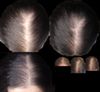
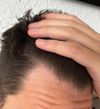
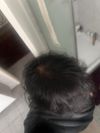
A 27-year-old is experiencing hair thinning and plans to consult a dermatologist for advice. No treatments like Minoxidil, finasteride, or RU58841 have been used yet.
A user with kidney disease and high blood pressure experienced hair thinning, especially around the vertex. They are currently using finasteride and oral minoxidil but are considering whether to resume blood pressure medication despite managing symptoms with diet and exercise.
The user experienced a receding hairline and tried minoxidil, which may have slowed the process but caused puffy eyes. They are hesitant to use finasteride and suspect oily dandruff might be an aggravator.
Maintaining good hair density is more important than preventing a receding hairline, as it can enhance a mature look. Treatments discussed include finasteride, minoxidil, dutasteride, and RU58841.
A 24-year-old male experienced hair loss despite using minoxidil and finasteride, later switching to dutasteride, higher-dose minoxidil, iron supplements, and derma stamping, which initially improved his condition. However, after moving to a stressful environment and undergoing minor surgery, his hair loss rapidly increased, particularly on one side of his temple.
A user achieved significant hair regrowth from Norwood 3 to a dense Norwood 2 after five months using oral dutasteride, oral minoxidil, and a topical solution with minoxidil, retinoic acid, and hydrocortisone. The user reported no side effects and found the topical treatment especially effective for the hairline.
A 27-year-old has been using oral finasteride and minoxidil since early 2023, seeing progress in hair growth and density without side effects, but still struggles with thinning at the crown. They are considering adding topical treatments, natural oils, microneedling, or a hair transplant to address this issue.
A 25-year-old male with seborrheic dermatitis and hair thinning seeks advice on the severity of his condition and treatment options. Oral finasteride and oral minoxidil are recommended as the most effective long-term treatments.
The user has been using Finasteride for over four months to treat androgenetic alopecia but continues to experience hair loss and thinning. They recently started using Minoxidil and are considering switching to Dutasteride due to concerns about Finasteride's effectiveness.
Thin, short hairs often appear in areas of hair loss but may not grow fully despite treatments like finasteride. Some users consider additional treatments like microneedling or hair transplants.
A 32-year-old male shares his 7-month hair regrowth progress using 1 mg finasteride daily, 5% minoxidil twice daily, dermarolling every four days, 1.5% ketoconazole shampoo every three days, and zinc and vitamin D supplements initially. He applies minoxidil primarily to his temples and hairline, avoiding the crown, and reports significant improvement in diffusive thinning.
A 21-year-old male experiencing hair thinning started using Minoxidil, which stopped his shedding and led to the growth of vellus hairs on his temples. He is considering whether to add finasteride to his routine, which currently includes Minoxidil, derma rolling, ketoconazole shampoo, vitamin D3, zinc, and a rosemary and fenugreek lotion.
The user is experiencing hair loss despite using finasteride 1 mg daily and topical 5% minoxidil on the hairline. They are seeking advice as the treatments seem less effective over time.
The user has been using finasteride for 6 months, experiencing hair regrowth at the hairline but thinning at the top and back. They are considering adding minoxidil to their routine to address the thinning and are concerned about potential shedding.
Hair thinning possibly due to rapid weight loss and dietary changes, with no nutrient deficiencies found. The user is taking vitamins and considering seeing a hair specialist to promote regrowth.
The user is experiencing hair loss and has been using RU58841 but is considering pyrilutamide and minoxidil, avoiding finasteride due to side effects. Another user suggests finasteride or dutasteride as essential, possibly in topical form, while dismissing saw palmetto as ineffective.
A 19-year-old female with Diffuse Alopecia was advised by a dermatologist to use vitamin supplements, a hair serum, and antifungal drops, leading to some improvement. Other users suggested treatments like minoxidil, microneedling, and consulting a different dermatologist for further advice.
The user experienced worsening hair density despite using finasteride, minoxidil, dutasteride, and RU58841, with some temporary improvement after stopping RU58841. Currently, they are on 2.5mg dutasteride daily and topical minoxidil, but continue to struggle with hair density issues.
Hair loss may be linked to blood flow and inflammation, with treatments like Minoxidil, finasteride, and quercetin being discussed. The conversation also mentions the role of 5AR enzyme distribution in hair follicles.
A 23-year-old is considering using a topical solution of Finjuve (finasteride and minoxidil) at a reduced dosage of 0.2/0.4mg to treat crown thinning while minimizing side effects. Applying 0.1-0.2 mL is suggested to lower systemic absorption and effectively reduce DHT on the scalp.
The user is experiencing hair thinning at the crown and midscalp and is seeking advice. They are considering treatments like Minoxidil, finasteride, and RU58841.
The conversation discusses whether someone with a naturally large forehead and widow's peak can get a hair transplant and start finasteride early. It also mentions a surgery to lower the hairline as an alternative.
A 34-year-old man with diffuse hair loss experienced regrowth and hair thickening using daily Dutasteride, oral and topical Minoxidil, a specialized shampoo, and microneedling. He switched from Finasteride to Dutasteride after seeing significant improvement in a peer, reporting no side effects.
A 19-year-old with thinning hair at the temples is prescribed finasteride 1mg daily and minoxidil 2% twice daily. They seek feedback on the effectiveness of finasteride for young people, especially those who started between ages 18-20, given their family history of baldness.
A 19-year-old is experiencing crown thinning after three months on finasteride and minoxidil, hoping it's just a shedding phase. They also use a dermaroller weekly and seek hair regrowth and stabilization.
A user noticed rapid hair thinning and started using finasteride in October 2019. They also use Nizoral and Head & Shoulders with zinc pyrithione, hoping for regrowth and to delay baldness.
A user is concerned about receding hairlines and considers using finasteride and minoxidil but is hesitant due to potential side effects. Others advise starting treatment early to prevent further hair loss, emphasizing that finasteride is generally safe and effective for prevention.
A 27-year-old male with ADHD is experiencing hair thinning and is starting a treatment with topical finasteride (0.025%) and minoxidil (5%). He is addressing high prolactin levels and low vitamin D, while managing side effects from ADHD medication.
A 26-year-old is experiencing hair thinning and has received conflicting diagnoses of androgenetic alopecia and telogen effluvium. They are considering treatments like dutasteride, oral and topical minoxidil, and are unsure whether to start treatment or pursue further diagnosis like a scalp biopsy.