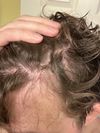
The conclusion of the conversation is that some users have had positive results with finasteride for hair loss, while others have not. The effectiveness of finasteride varies from person to person.
A user who has been trying various treatments for hair loss for four years, with no success. Suggestions include use of minoxidil, finasteride, RU58841, microneedling, supplements and multivitamins, lifestyle changes, scalp biopsy, and SMP.
The user has been using topical finasteride 0.1% for almost 7 months but is experiencing worsening hair loss and is considering adding minoxidil 5% to their regimen. They are hesitant about oral finasteride and are exploring options for topical treatments, including minoxidil and possibly dutasteride.
Oral minoxidil is considered a safe and effective treatment for hair loss at low dosages, with minimal cardiac risks. Users report positive results, though some experience side effects like increased heart rate and skin changes, and consulting a doctor is advised.
A user stopped using 1mg finasteride and 5% minoxidil due to cost and fear of side effects but experienced increased hair loss after discontinuation. They restarted the treatments, hoping to regain lost hair, and were advised that while finasteride is better for maintenance and minoxidil for regrowth, results vary and green tea is unlikely to affect hair loss.
The user switched from oral finasteride to oral dutasteride and increased minoxidil dosage, seeing significant hair improvement over a year. They plan to wait until age 35 for a hair transplant, aiming for optimal results.
The user has been on dutasteride for three years but is still experiencing hair recession and is considering adding finasteride. Suggestions include trying minoxidil, microneedling, or a hair transplant for further improvement.
The user shared progress pictures after 3 months of using finasteride 1mg daily and minoxidil 5% twice daily, showing significant hair regrowth, especially at the temples. The discussion includes positive feedback on the results and tips on managing hair care while using these treatments.
Alfatradiol (0.025%) is an effective and safe treatment for androgenetic alopecia in both men and women, increasing anagen hair rates with minimal side effects. Users discuss its cost-effectiveness and ease of use compared to other treatments like finasteride and RU58841, with some combining it with stemoxydine and Minoxidil.
A 34-year-old man has used finasteride for 10 years and dutasteride for 1 year to manage hair loss, experiencing minimal side effects and slight hair thinning. He plans to continue using finasteride, ketoconazole shampoo, and oral liquid finasteride, noting that cost and convenience influenced his dosage choices.
A user shared progress pictures after 40 days of using topical finasteride, minoxidil, and KX-826 following a hair transplant. They previously used Polaris NR-11, which contains finasteride and minoxidil, and experienced significant hair regrowth.
Despite using finasteride for 1.5 years and oral minoxidil for nearly a year, hair shedding continues, prompting a dermatologist visit. Users discuss the inconsistency of treatments, with some experiencing worsened hair conditions and others noting side effects like increased shedding after workouts.
The user is using a 5% minoxidil solution with low propylene glycol and 1 mg of oral finasteride daily but is still experiencing hair shedding, especially at the temples and front. They are concerned about absorption issues and considering adding tretinoin to improve results.
Bald men can still attract partners, as personality and confidence often outweigh hair loss. Treatments like finasteride and minoxidil are used, but self-acceptance and personal satisfaction are key.
A 20-year-old is using oral and topical finasteride, topical minoxidil, ketoconazole shampoo, rosewater, Adgain tablets, creatine, and derma stamping to address hair loss. There is a debate about creatine's impact on hair loss, with some suggesting it increases DHT, while others disagree.
A 28-year-old male has been using oral finasteride and minoxidil for over a year without seeing significant results in hair thickness, particularly in the front. He is considering adding dermastamping to his routine and is exploring whether topical treatments might be more effective.
The user has been using oral finasteride and topical minoxidil for 5 years, which stopped diffuse thinning but did not improve the hairline. They are considering a hair transplant and possibly starting dutasteride.
The user switched from finasteride to dutasteride and from oral to topical minoxidil, noticing better hair regrowth with the new regimen. They experienced no side effects from dutasteride and found topical minoxidil more effective than oral.
Oral minoxidil is seen as more effective and convenient than topical minoxidil for hair regrowth, but it may cause heart-related risks. Users often combine it with finasteride or dutasteride, though some prefer topical treatments due to safety concerns.
A 22-year-old has been using finasteride 1mg daily and keto shampoo 1% weekly for hair loss with some progress but no significant regrowth yet. Users suggest waiting up to 18 months for results and possibly adding minoxidil or microneedling if needed.
A user shared their 4.5-month progress using oral finasteride and topical minoxidil for hair loss, noting some perceived improvement in the crown area. Other users encouraged them to continue the treatment.
A user is asking if Dutasteride Mesotherapy and 0.5mg oral Dutasteride are working for their hair regrowth. Another user confirms there is clear and significant progress.
A person on TikTok has been using finasteride, minoxidil, scalp massage, rosemary oil, and microneedling for hair loss treatment for 6 months, and recently switched from oral to topical finasteride. Some believe finasteride and minoxidil are the most effective treatments, while opinions on switching to topical finasteride are mixed.
A user's progress pictures which show the effects of using finasteride and minoxidil for hair growth, along with keto shampoo; other users shared their experiences with similar conditions, offering advice on treatments and encouraging the original poster to keep going.
A 21-year-old is using a topical solution with minoxidil and finasteride for hair loss, along with supplements and specific shampoos, and is considering switching to oral treatments if no progress is seen in a few months. They are concerned about diffuse thinning and potential future hair transplants, and are exploring additional treatments like microneedling and tretinoin.
A user who has seen positive results after 7 years of treating their hair loss with Rogaine, Nizoral Shampoo, and finasteride. Other users have also shared advice about micro-needling in combination with minoxidil.
Discouragement regarding Pyrilutamide, a drug in development for hair loss, and the potential side effects of Finasteride. People discussed anecdotal experiences with Pyrilutamide as well as suggestions to wait out Phase 3 trials before making any conclusions.
Balancing hormones, particularly testosterone and DHT, may prevent hair loss and slow aging. Treatments include finasteride, dutasteride, zinc, magnesium, collagen, and natural DHT-blocking shampoos.
The conversation discusses a user's 13-week experience using finasteride, topical minoxidil, and biotin for hair loss, noting initial shedding and subsequent improvement. Replies suggest some improvement may be visible, likely due to minoxidil, and encourage patience.