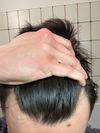
The post and conversation are about a user seeing hair regrowth after using Rogaine, rosemary oil, pumpkin seed oil, saw palmetto, microneedling, and LLLT. The user plans to add Nizoral soon and is hopeful about continued progress.
A user shared a 6-month hair loss progress update using 1 mg finasteride, plans to start minoxidil and RU58841 due to severe shedding, and seeks advice. Others suggest maintaining treatment, switching to different medications, and considering more aggressive treatments due to strong genetic predisposition to baldness.
A user shared their experience with hair regrowth using supplements like NAC and DIM, and briefly using minoxidil with microneedling. They reported some improvement in hair density, but the community questioned the effectiveness compared to traditional treatments like finasteride.
A 24-year-old with mild temple recession is using 5% minoxidil without noticeable effects and has started topical finasteride but is anxious about potential side effects. They are considering a specialist visit for peace of mind despite the cost.
The user plans to stop finasteride after three months, believing hair loss isn't due to DHT, and will continue with oral minoxidil, microneedling, and ketoconazole shampoo. They suspect stress and poor nutrition are the main causes and seek opinions on DHT blockers' effectiveness.
The user has been using finasteride for six years and minoxidil for three years with no noticeable hair regrowth. Suggestions include switching to dutasteride, considering a hair transplant, and trying microneedling.
Dutasteride can stabilize or improve hair loss but may cause side effects like depression and anxiety. Users often switch from finasteride to dutasteride for stronger results, with varied experiences in shedding and regrowth.
A 22-year-old is using Minoxidil, topical Finasteride, and dermarolling for hair loss, seeing tiny colorless hairs after one month. Users advise patience, suggesting visible results may take 3-6 months, with significant progress over years, and recommend considering oral treatments and possibly a hair transplant in the future.
The user has experienced hair regrowth using finasteride, minoxidil, dermarolling, and nizoral shampoo, but is considering a hair transplant due to advanced hair loss. Others suggest checking the donor area and considering a reputable surgeon for a potential transplant.
Creatine may cause hair loss in some individuals, especially those on finasteride, despite no scientific link. Personal experiences suggest individual sensitivity to DHT could be a factor.
The user started using finasteride daily and ketoconazole occasionally, noticing reduced hair fall but no regrowth. Others shared mixed experiences with finasteride, some considering switching to dutasteride or adding minoxidil.
A 31-year-old man successfully used oral minoxidil and finasteride for hair regrowth over eight years, experiencing minimal side effects like initial shedding and increased body hair. He credits these medications for preserving his hair despite a family history of baldness.
A 19-year-old using finasteride for hair loss seeks advice on additional treatments. Suggestions include microneedling, minoxidil, and ketoconazole shampoo, with concerns about side effects discussed.
The conversation discusses whether to continue using finasteride or switch to dutasteride after one year, with users generally advising to stick with finasteride for more time due to positive results and potential risks of switching. Minoxidil is also being used, and some suggest considering a hair transplant for further improvement.
Oral minoxidil and finasteride effectively improved hair growth and stopped hair loss, with no major side effects. The user switched from topical to oral minoxidil, added finasteride, and later transitioned to dutasteride, experiencing regrowth and thicker hair.
A user shared their experience with hair transplant scab removal, noting that most scabs came off easily without bleeding by using oil and shampoo. They sought advice on whether any hair was lost during the process, and others reassured them that no hair was lost and to trust the healing process.
A 21-year-old experiencing significant hair loss is considering a hair transplant and has been using finasteride and biotin, with plans to switch to dutasteride and oral minoxidil for better regrowth. They are seeking advice on the number of grafts needed, with suggestions ranging from 2,500 to 6,000, and are exploring different clinics and treatment options.
A 23-year-old male is using topical minoxidil and oral finasteride for hair regrowth, noticing some progress on his temples and seeking advice on whether this indicates overall scalp improvement. Users suggest patience, as regrowth can take time, and advise against a hair transplant, noting that the current treatment seems effective.
Ketoconazole shampoo helps reduce hair shedding and improve thickness for some, but can cause dryness or irritation. Its effectiveness compared to finasteride or minoxidil varies among users.
A 33-year-old male is thrilled with his hair transplant results one year post-procedure, having used 1 mg finasteride and 2.5 mg oral minoxidil daily, which significantly improved his hair density. The transplanted hair is expected to be permanent, but continued use of finasteride is recommended to maintain surrounding native hair.
The user shared their 12-month hair regrowth progress using 1mg finasteride, 5mg oral minoxidil, and topical minoxidil. They also used a derma stamp weekly and treated seborrheic dermatitis with Mometasone and Nizoral.
Hair systems can be life-changing, providing a natural look and requiring maintenance every 7-14 days. They cost around $900-1000 annually and are generally comfortable and well-received by others.
A user has been using dutasteride, RU58841, minoxidil, and ketoconazole for 2 years with no progress and worsening hair recession. They seek advice on how to proceed.
User OmniStrife experienced amazing hair regrowth using 1/4 of a Finasteride pill daily for 6 months. Others discussed their results, availability of pills, and side effects.
User hides baldness with side hair growth, others suggest it looks good but may not work in all conditions. Some recommend starting treatment or considering a hair transplant.
Botox injections on the scalp may help with hair loss, as one small study showed improvement in 8 out of 10 subjects. Treatments mentioned include Minoxidil, finasteride, and RU58841.
A user experienced severe side effects, including heart issues, after taking oral minoxidil without consulting a doctor. They are now considering alternatives like dutasteride, PRP, or laser treatments for hair loss.
User reports 3-month progress using Fin 0.5mg/day, 1x minox 5%, keto shampoo every 3 days, and microneedling 1.5mm a week. Others suggest shaving sides or trying shaved head look, while some discuss side effects and dosages.
A user shared that adding Dutasteride to Finasteride worsened their hair loss, despite initial improvements with Finasteride alone. Others in the conversation debated the effectiveness of Dutasteride, with some suggesting individual responses vary and others defending its proven efficacy for hair loss.