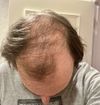
A user's successful hair loss treatment using ketoconazole shampoo, 0.5mg finasteride, and 5% liquid minoxidil. They noticed significant results after 4 months, with reduced hair fall observed earlier.
BackToTheFutehair's 3.5 month progress update on their hair loss treatment regimen of finasteride, minoxidil, and microneedling which has led to a significant improvement in thickness and life to the hair. Others have provided encouragement and advice for future treatments.
Scalp biopsies are crucial for diagnosing hair loss conditions like Diffuse Unpatterned Alopecia (DUPA) and retrograde hair loss, as treatments like finasteride and dutasteride may not be effective if other conditions are present. Combining PPAR-GAMMA agonists with retinoids could improve treatments for conditions like Lichen Planopilaris.
This user experienced severe hair loss, but was able to successfully treat it with finasteride over a two year period. Despite experiencing multiple shedding cycles while on the medication, Mission5896 reported that their hair continued to get thicker and stronger. Additionally, they tried both minoxidil orally and topically, but only found success with finasteride.
The user is experiencing significant hair loss and is considering treatments like minoxidil, finasteride, and possibly a hair transplant. They are advised to consult a dermatologist and consider oral minoxidil and dutasteride, while being aware of potential side effects and the need for ongoing treatment.
A user shared their 3-month hair loss treatment progress using 5% minoxidil, 1mg finasteride, and occasional nizoral. They noted significant progress and plan to continue treatments, with another update at the 6-month mark.
The conversation is about hair loss treatments, specifically Minoxidil (Min) and Finasteride (Fin). The original poster is considering using Min and other treatments but is hesitant about Fin, while the responses vary, with some advocating for early use of Fin and others warning about potential side effects.
The conversation discusses skepticism about Breezula, a hair loss treatment, with the consensus that it's not a miracle cure but a maintenance drug that may work well with finasteride. Some users report side effects from finasteride, like sexual dysfunction, while hoping for better results from Breezula or RU58841 without such side effects.
A 36-year-old experienced slow, diffuse hair thinning over 15 years and saw significant improvement using 5% topical minoxidil alone for 3 months, without finasteride or microneedling. The user is pleased with the results, noting increased hair density and no visible scalp, and plans to continue monitoring progress without using hormone-affecting treatments.
A 22-year-old is experiencing aggressive hair loss despite using minoxidil and finasteride and is considering a hair transplant but lacks funds. The discussion includes advice on treatments like dutasteride, microneedling, and lifestyle changes, with mixed opinions on the timing and effectiveness of a transplant at a young age.
A user shared their experience with finasteride for hair loss, noting it slowed but didn't stop their hair loss, and they quit after 1.5 years. Suggestions included trying dutasteride, adding minoxidil, and maintaining a healthy lifestyle.
A 21-year-old male switched from finasteride to 0.5mg dutasteride daily due to ongoing hair loss but has not seen improvement after 14 months, experiencing further thinning and recession. He is seeking feedback from other dutasteride users on their results after a similar duration.
A user shared their 9-month post-hair transplant results with 4600 grafts, using only Nourkin hair vitamins, Vitamin D, and B12, and expressed satisfaction. The replies debated the necessity of medications like finasteride and minoxidil for maintaining hair health.
The post discusses the confusion about the optimal microneedling depth and frequency for hair growth, and when to apply treatments like minoxidil. A reply suggests the best method is using a 1.25mm depth every 7 days with a specific device, holding it for 10 seconds to stimulate hair growth.
This conversation discussed the side effects of Minoxidil for hair loss, with users sharing their experiences. Treatments such as Retinol and Tretinoin were suggested alongside topical or oral Minoxidil to reduce any negative impacts.
A user shared a 17-month update on their hair loss treatment, which included a hair transplant of 2300 grafts, using a topical solution of minoxidil and finasteride, a laser cap, and ketoconazole shampoo. They are considering another transplant and seeking honest feedback on their progress, while others share their own experiences and advice on hair loss treatments.
Scalp tension from the occipitalis muscle is theorized to contribute to hair loss, but most believe DHT and genetics are the main causes. Treatments like finasteride and minoxidil are considered more effective than addressing scalp tension.
Low doses of dutasteride are as effective as higher doses for hair regrowth, with fewer side effects. Users find success taking it 2-3 times a week instead of daily.
A 31-year-old man successfully used oral minoxidil and finasteride for hair regrowth over eight years, experiencing minimal side effects like initial shedding and increased body hair. He credits these medications for preserving his hair despite a family history of baldness.
A user shared their positive experience with finasteride over 1.5 years, noting significant hair regrowth and no side effects. They also mentioned unsuccessful attempts with minoxidil and are considering a hair transplant to improve their hairline.
A user's 12 month update on treatment for hair loss, which include oral dutasteride and minoxidil, topical RU88541 and minoxidil, microneedling with hyaluronic acid and FinDuta, experiencing no side effects, positive results and inspiring other users.
A user shared progress pictures after one year of using 2.5mg Minoxidil and 1.25mg Finasteride for hair loss. The discussion includes suggestions for additional treatments like dermastamping, dutasteride, and increasing Minoxidil dosage, with mixed opinions on the effectiveness of current treatments.
A user shared their experience using 5% topical Minoxidil for 18 months and recently added 1 mg oral Finasteride daily, noting minimal results so far but expecting improvement. They mentioned challenges with application consistency and technique, and are hopeful for increased hair density.
Bald men can still attract partners, as personality and confidence often outweigh hair loss. Treatments like finasteride and minoxidil are used, but self-acceptance and personal satisfaction are key.
A user shared his experience of having two healthy children while continuously using finasteride (Fin) for hair loss, challenging fears about its potential impact on fetal development. The discussion that followed included various perspectives, with some users sharing similar experiences, others expressing concerns about potential risks, and some emphasizing the need for more substantial evidence before drawing conclusions.
Discouragement regarding Pyrilutamide, a drug in development for hair loss, and the potential side effects of Finasteride. People discussed anecdotal experiences with Pyrilutamide as well as suggestions to wait out Phase 3 trials before making any conclusions.
A 32-year-old shares their one-year experience using dutasteride 0.5 mg and minoxidil for hair loss, noting some progress but still considering a hair transplant for better density. They mention decreased libido as a side effect and discuss the cost and considerations of a hair transplant.
Switching from finasteride to dutasteride caused significant shedding but minimal side effects. The user plans to continue dutasteride for 12 months despite concerns about hair density.
Ketoconazole is mainly used for improving scalp health and reducing dandruff, but it is not effective for new hair growth. Some users find it complements treatments like minoxidil and finasteride, but results vary.