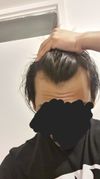
Small hairs around the hairline may regrow with continued use of minoxidil, finasteride, and ketoconazole. The user is hopeful about hairline improvement.
A user experienced positive hair regrowth using oral and topical minoxidil, oral dutasteride, microneedling, and supplements. They noted improved hairline and temple density with minor side effects like a few forehead pimples.
An 18-year-old is experiencing thinning hair at the crown and is concerned about early balding due to family history. They are using 5% minoxidil and considering adding finasteride to potentially regrow hair and block DHT.
Diffuse thinning can result in varied regrowth, with some users experiencing better results at the hairline and others at the crown. Treatments mentioned include finasteride, minoxidil (oral and topical), RU58841, microneedling, and dermarolling.
The user experienced significant hairline improvement after 2 months using 1 mg Finasteride and topical Minoxidil, with only initial shedding as a side effect. The progress is notable, with the user returning from near Norwood 2 to Norwood 1, and they use Rogaine for topical application.
Younger generations now view receding hairlines as baldness, increasing the use of treatments like minoxidil and finasteride. Social media and changing beauty standards have intensified focus on hairlines, altering perceptions of baldness.
A 22-year-old is experiencing diffuse hair thinning all over the head, losing about 300 long hairs daily, despite having good genetics and vitamin levels. They are seeking advice on whether this pattern is normal and considering consulting a dermatologist.
The user experienced increased hair loss and a thinning hairline after starting finasteride, despite using minoxidil for over 1.5 years. They are seeking advice on how to address this issue.
Hair follicles can potentially produce more hair strands with treatments like Minoxidil and finasteride. Notable improvements in hair density are possible, but achieving multiple strands per follicle is uncertain.
A 19-year-old is using finasteride, dutasteride, and minoxidil to combat hair loss, seeing improved hair density but minimal hairline regrowth. Users suggest patience, continued treatment, and possibly considering a hair transplant in the future.
The user reports positive progress in hair regrowth using 1mg oral finasteride, 3mg oral minoxidil, biotin, vitamin D, red light therapy, and microneedling. They note thickening at the hairline and some regrowth at the temples.
A 29-year-old male experienced significant hair density loss in 18 days despite using Finasteride and Minoxidil consistently for years. He suspects the change in brands or other factors like shedding or androgenetic alopecia might be responsible and is seeking advice.
A 30-year-old with a family history of receding hairlines is considering starting finasteride due to gradual hairline recession. They are seeking advice on whether to begin treatment or if they are worrying unnecessarily.
The user has been using topical minoxidil and finasteride for hair loss, with some regrowth at the temples but continued hairline thinning. The dermatologist suggested possible telogen effluvium due to stress and deficiencies, prescribed oral minoxidil, and may consider dutasteride if the condition doesn't improve by January 2026.
The conversation is about the impressive hair density and hairline of a person, with users attributing it to good genetics and joking about the lack of hair loss despite stress. Specific hair loss treatments like Minoxidil, Finasteride, or RU58841 are not discussed.
The user has been using finasteride, dutasteride, minoxidil, and RU58841 for hair loss but is experiencing worsening hair density despite treatment. They are frustrated and confused as their hairline remains unchanged, but the overall hair thickness has decreased significantly.
The user noticed miniaturized hair at the front of their hairline and is not on any medication. They are concerned if this is a sign of a receding hairline or something normal.
The user experienced hair density loss after increasing finasteride dosage from 3x to 7x a week. It was suggested that this might be a temporary adjustment issue, and adding minoxidil could help.
A 22-year-old is considering starting finasteride for hair loss, questioning if their hairline is stable or if treatment is needed. They shared images of their hairline, which has been the same since their teenage years.
A user shared progress on hairline improvement after 3 months using oral finasteride, topical minoxidil, and a dermaroller. They also use Alpecin Caffeine shampoo daily and ketoconazole shampoo weekly.
The user experienced significant hair density improvement over seven months using finasteride, topical minoxidil, Nizoral shampoo, and supplements like biotin and vitamin D. They also used a derma stamp with rosemary and peppermint oil, noting no side effects from finasteride.
A 21-year-old male is using oral finasteride, topical minoxidil, and microneedling to improve hair density and regrowth but remains dissatisfied with the results. He is considering whether continuing finasteride for two years might help.
A 20-year-old is concerned about potential hair loss and is seeking advice on whether to be worried about their current hairline, considering family history. They are contemplating treatments like Minoxidil, finasteride, or RU58841 but have not committed to any yet.
A 21-year-old is experiencing hairline recession and is using finasteride, saw palmetto, gelatin, topical minoxidil with retinoic acid, derma stamping, and scalp massage to address it. Suggestions include adding oral minoxidil, vitamin D3 with K2, and maintaining the current regimen for a year.
Finasteride typically helps maintain the existing hairline and taking 0.5mg MWF is considered effective. Hair transplants remain an option if further treatment is needed.
A 33-year-old experienced hairline improvement using finasteride and minoxidil, later stopping minoxidil while continuing ketoconazole shampoo. Initial side effects included shedding, reduced libido, and anxiety, but these resolved, leading to a full hairline recovery.
The user has been using finasteride for over a year and noticed short, prickly hairs on their scalp that don't grow like the rest of their hair. Despite losing about 40 short hairs when washing, their overall hair density hasn't decreased.
The conversation is about hair regrowth using topical finasteride, minoxidil, and keto spray, along with oral Saw Palmetto, Lustriva complex, collagen, and microneedling. Users discuss their experiences with these treatments, noting improvements in hair density and color, with some experiencing mild side effects.
The user uses Toppik hair fibers to thicken their hairline and has switched from finasteride to dutasteride and oral minoxidil, noticing more hair thickening. Most responses indicate the hair fibers are not noticeable, and many suggest the user doesn't need them as their hair looks natural and good for their age.