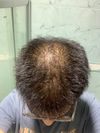
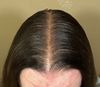
A 28-year-old male is experiencing hairloss, possibly due to seborrheic dermatitis, itchiness, or shampoo use, and is considering treatments other than minoxidil or finasteride. He plans to consult a doctor for further advice.
19-year-old experiencing hairloss seeks advice on treatments. Suggestions include Finasteride, Minoxidil, microneedling, hair systems, and consulting a dermatologist.
A 21-year-old is experiencing hairline recession and has been using finasteride for 1 year and 3 months and topical minoxidil for 1 year. They are seeking advice on whether to start 5 mg oral minoxidil or try a different treatment.
Finasteride may help stabilize hairloss, but regrowth at the temples is challenging and often requires additional treatments like minoxidil or a hair transplant. Users suggest patience and possibly combining treatments for better results.
The user shared positive progress in hair regrowth using dutasteride, topical minoxidil, and Keeps shampoo, with a unique minoxidil application schedule and glycolic acid exfoliation to maintain scalp health. They reported no side effects from dutasteride and are pleased with the results.
The conversation discusses the challenges of maintaining a balding head, with some preferring to shave regularly and others choosing to embrace their hairloss. Specific treatments or concerns about hair transplants and societal perceptions of balding are also mentioned.
A 33-year-old male experienced sudden, rapid hairloss, possibly due to a reaction to mentholated shampoo and undiluted tea tree oil, with a history of seborrheic dermatitis. He is currently taking finasteride, vitamin D3, a multivitamin, and biotin, and is seeking further medical evaluation.
A 34-year-old man experienced hairloss during the COVID-19 pandemic and successfully treated it using minoxidil, reducing shampoo use, and taking fenugreek. He saw significant improvement within a few months and no longer appears bald.
A user experienced hairloss due to a folic acid deficiency and saw hair regrowth after taking a folic acid supplement. They advise checking for a folic acid deficiency before spending money on other treatments.
A user experienced positive hair regrowth using oral and topical minoxidil, oral dutasteride, microneedling, and supplements. They noted improved hairline and temple density with minor side effects like a few forehead pimples.
A 19-year-old experiencing hairloss since 17 uses finasteride, minoxidil, dermaroller, ketoconazole shampoo, and oral castor oil, but sees little improvement. They seek advice on adding an anti-androgen, considering alfatradiol.
The user has seen significant hair regrowth using topical minoxidil and dutasteride, with better results than finasteride alone. Despite concerns about hairline and temporal peaks, others believe a hair transplant is unnecessary due to the current hair condition.
The conversation humorously discusses the lack of representation for balding men in media, with some users suggesting haircuts for receding hairlines and joking about treatments like finasteride and dutasteride. It highlights the irony of using models with perfect hair to advertise hairloss solutions.
The user is seeking confirmation of progress in their hair regrowth journey while using oral finasteride and topical minoxidil. They also mention experiencing shedding and dandruff after switching from liquid minoxidil to foam. Some users suggest considering a hair transplant.
A 28-year-old male experiencing hair thinning is considering minoxidil and finasteride. Minoxidil helps regrow hair, while finasteride prevents further loss; both are usually lifelong treatments.
A 24-year-old male experienced hairloss and side effects from oral finasteride and minoxidil, but saw progress with a topical solution of minoxidil and finasteride, alongside dermastamping and vitamin supplements. He uses 2% Nizoral and keratin shampoo for hair care.
A 21-year-old is experiencing hairloss despite using finasteride, minoxidil, derma rolling, vitamins, and keto shampoo. They are contemplating a hair transplant but worry about their age and future hairloss.
A 29-year-old tried various hairloss treatments, including minoxidil, finasteride, dutasteride, derma stamp, and a hair transplant, but ultimately chose a hair system to cover baldness and boost confidence. The hair system looks natural and is praised by others for its appearance and feel.
A 19-year-old trans man has been using Finasteride 1mg for a little over two months and is concerned about worsening hairloss, noting a fuzzy and soft hairline and crown. The user is upset as the hairloss appears worse than before starting the treatment.
The user is experiencing increased hair thinning and shedding despite using oral dutasteride, oral minoxidil, topical dutasteride, and ketoconazole shampoo. Many recommend considering a hair transplant or embracing baldness, as current treatments seem ineffective.
A 26-year-old is using 5% minoxidil twice daily and 1 mg finasteride every other day, along with biotin and collagen supplements, for hair regrowth. They apply minoxidil to the temples and crown and experienced initial shedding in the first month.
A user shared progress pictures of hair regrowth from August to November 2024, using finasteride, minoxidil, biotin, and keto shampoo. They are pleased with the results but hope for more improvement in thin areas.
PP405 is a promising new hairloss treatment that may reactivate dormant hair follicles without side effects. It could surpass traditional treatments like minoxidil and finasteride if successful in further trials.
A 25-year-old discusses hairloss and its impact on confidence, considering treatments like finasteride and minoxidil. Recommendations include these medications and lifestyle changes to manage hairloss.
The conversation is about a hairloss treatment protocol involving microneedling, finasteride, RU58841, minoxidil, ketoconazole shampoo, and a scalp massager with oils. Some users advise starting with fewer treatments like finasteride, minoxidil, and microneedling to avoid potential side effects.
The user shared their hairloss journey, using Minoxidil 2%, Serenoa repens, topical finasteride, a topical antiandrogen, Vitamin D, and lifestyle changes, noting improvements but still seeking more density. They are considering switching to Minoxidil 5% but prefer focusing on finasteride and antiandrogen for better results.
A 21-year-old has been using finasteride and minoxidil for 2.5 years without improvement in hairloss. They also tried RU58841, rosemary oil, and biotin, but none were effective.
Finasteride is recommended for hairloss starting at age 17, with some users suggesting starting even earlier. Minoxidil is also suggested as an option, while lifestyle changes like diet and exercise are noted as beneficial for health but not effective for slowing genetic hairloss.
A 20-year-old female is experiencing hairline loss and seeks effective natural remedies or affordable drugstore treatments. She has tried flax seeds and aloe vera without success.