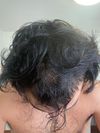
Minoxidil is effective for frontal hair loss, despite packaging suggesting it's for crown thinning. The user has seen results with Minoxidil from a different provider.
Finasteride worked better for frontal scalp hair loss, while dutasteride helped the crown and mid-scalp but worsened the frontal area. The user shared personal experiences and invited open dialogue.
The user is experiencing heavy hair shedding and a receding frontal area despite using finasteride and minoxidil. They are considering switching to dutasteride for better results.
The user had a hair transplant with 2000 grafts in the frontal and mid-scalp areas and has been using finasteride and minoxidil for 3 months. The crown area is expected to improve with continued treatment, and results are generally positive so far.
TurboMoe has been using 1mg finasteride and 2mL minoxidil daily for 6 months to reverse his frontal hair loss, with good results. He previously used finasteride in his 20's but stopped before having children due to low sperm count; he stayed off it until his last child was born.
A 25-year-old man had a 3500 graft hair transplant on the frontal region and is happy with the results after 8 months. He has been on minoxidil and finasteride, switched to dutasteride, added ketoconazole shampoo for seborrheic dermatitis, and is considering a second transplant for the mid scalp/crown.
The user has been using Dutasteride for five years and noticed slow thinning on the frontal hairline. They tried Fluridil as an additional treatment, which resulted in noticeable hairline thickening after two months.
The user experienced hair regrowth using topical finasteride 0.1%, minoxidil 10%, and microneedling over a year, recovering about 5 years of hairline and 3 years of density. The treatment was applied to the temples and frontal area, with some recovery in the coronal area attributed to microneedling.
A user shared their positive experience with finasteride and a 1000 FUE hair transplant for the frontal region, noting significant improvement in the crown area with medication alone. They emphasized patience with finasteride, as results vary from person to person.
User started hair loss treatment 3 months ago using topical fin, minoxidil, RU58841, stemoxydine, and microneedling. Others noticed improvement in mid and frontal scalp areas and suggested considering oral minoxidil.
A 19-year-old is using 5% topical minoxidil, 1.25 mg finasteride, ketoconazole, and a dermaroller for hair regrowth, noticing improvement in the frontal area. Another user suggests adding oral minoxidil and maintaining a consistent routine, emphasizing the importance of stress management and a healthy diet for better results.
Topical tretinoin applied to the face may exacerbate hair loss in some individuals, potentially triggering conditions like frontal fibrosing alopecia. Experiences vary, with some users reporting no impact on hair, while others experience significant hair loss.
The user shared a 10-month hair loss treatment update using finasteride, minoxidil, derma stamping, red light therapy, and keto shampoo, reporting improved styling ability but a stubborn frontal hairline. The user experienced lower libido as a side effect of finasteride.
A 20-year-old male experiencing hair thinning uses 1mg finasteride and 2.5mg minoxidil daily, and seeks styling advice to hide frontal scalp thinning. Recommendations include using hair powder, mousse, sea salt spray, and matte clay, along with specific styling techniques like blow-drying and using a detangling brush.
The user is using a self-made topical mix of finasteride and minoxidil foam for hair loss, experiencing solid regrowth in the frontal area and mild improvement at the crown, but still shedding. They previously used oral finasteride and dutasteride but stopped due to side effects, and are seeking advice on when shedding might stabilize with the topical treatment.
The user started using topical Minoxidil and Procapil, then added oral Minoxidil and Finasteride, seeing some hair thickening but no improvement in the frontal hairline. They believe nutrition, sleep, and lifestyle impact hair health and are seeking ways to track hairline and medication use.
Monthly microneedling combined with low-dose topical dutasteride shows promising results for hair density and thickness with minimal side effects, especially in the frontal area. Despite its effectiveness, it is not widely discussed or used due to availability and cost concerns.
The user shared their one-year progress using 5% topical minoxidil and 1mg oral finasteride, reporting good results with some shedding phases. They experienced no side effects and noted improved hair density, especially in the frontal area.
The user shared progress on hair regrowth after using 5% Minoxidil twice daily and microneedling 0.5mm a few times a week for 47 days. Other users noted visible improvement and regrowth of baby hair in the frontal temporal region.
User reports 12 months of using Mexican finasteride (Novaride), minoxidil spray, and ketoconazole shampoo with significant crown improvement and slight frontal hairline improvement. No current side effects; plans to continue treatment for further gains.
A 31-year-old used topical minoxidil and finasteride with weekly microneedling for 3.5 weeks, seeing improvements in the crown and frontal areas. They are happy with the results and curious about the 3-month mark.
A user shared a 6-month hair loss treatment routine including Mexican finasteride (1.25mg every other day), daily minoxidil, bi-weekly dermarolling, and ketoconazole shampoo twice a week, noting significant crown growth and some frontal hairline improvement with initial side effects that have since subsided. They are seeking advice to improve results, particularly at the frontal hairline, without resorting to a hair transplant.
User shared 126-day progress using Fin/Min/Niz/Microneedling for hair loss. Others discussed microneedling depth, results timeline, frontal coverage, and switching to Dutasteride.
Beard to scalp hair transplants can provide 12,000-15,000 grafts for coverage, with fast recovery time. However, beard hair may grow curly and not suitable for frontal areas.
A 23-year-old has been using minoxidil, finasteride, 2% ketoconazole shampoo, biotin, a multivitamin, and microneedling to address hair loss, noticing baby hairs and a fuller frontal hairline but concerns about a thin right temple. They are considering adding rosemary oil and switching to a 1.5 mm dermastamp for further improvement.
The user stopped using finasteride due to side effects and began treatment with Pyrilutamide, while continuing minoxidil, topical melatonin, dermarolling, and Nizoral. They had a second hair transplant to improve their frontal hairline and will report back on the results of the new treatment regimen.
The user is seeing progress in hair regrowth using a combination of 8% minoxidil, 0.25% dutasteride, and 0.01% tretinoin. The conversation includes comments on the effectiveness and application of these treatments.
OP shared a 1-month progress update on using a topical solution with dutasteride, minoxidil, and tretinoin for hair loss. Users noted regrowth and discussed tretinoin's availability.
The user experienced eyebrow hair loss and tried various treatments, including Minoxidil, a Capsaicin-based product, Latanoprost, Bimatoprost, Castor Oil, and Travoprost. Despite initial setbacks and a brutal shedding phase, they eventually saw positive results with Travoprost, encouraging others not to give up on treatments.
The user tried a product labeled as PP405 from Umbrella Labs for hair loss but saw no changes, and it was revealed to be a fake or misidentified product. The user is also using finasteride, minoxidil, and other treatments but is still experiencing hairline issues.