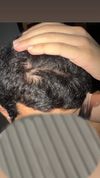
A 31-year-old male used topical finasteride for a year, reducing hair loss significantly with no side effects. Another user suggested adding minoxidil and using oils for better results.
A 35-year-old started finasteride in 2014 for hair loss and maintained hair density for 7 years, occasionally using ketoconazole shampoo. Switched to dutasteride in 2022 due to increased hair fall, experimented with dosages, and found a combination with tamsulosin effective despite initial adverse reactions.
A user's successful hair loss treatment using ketoconazole shampoo, 0.5mg finasteride, and 5% liquid minoxidil. They noticed significant results after 4 months, with reduced hair fall observed earlier.
The conversation discusses progress with a hair loss treatment regimen that includes once daily topical Finasteride, Pyrilutamide, and WAY-316606. Specific treatments for hair loss are being shared and discussed.
The post discusses the theory that persistent dandruff in areas prone to hair loss could be a sign of hair follicles dying due to DHT, indicating balding. The responses vary, with some users noting improvements in dandruff and hair loss with treatments like Dutasteride, while others experienced hair loss without dandruff.
The user achieved significant hair regrowth using oral and topical minoxidil, finasteride, microneedling, ashwagandha, and amla powder. They experienced some side effects like low libido from finasteride but reported no major issues with minoxidil.
A user's transformation due to their efforts in fighting hair loss, which was achieved without a hair transplant; the discussion includes advice about treatments such as minoxidil and finasteride.
Hair loss treatment using 1mg Fin, 1mg Min, weekly dermarolling, and daily stemoxydine. Advice given: continue for 6 months and consider adding ketoconazole shampoo.
The user tried various hair loss treatments, including Maxogen-X, Dualgen15, minoxidil, finasteride, and dermarolling, but experienced limited regrowth and some side effects. They eventually switched to oral minoxidil, hoping for better results.
The user experienced significant hair regrowth using finasteride, dutasteride, and oral minoxidil, noting improvements in eyebrows and eyelashes as well. Despite challenges, including a divorce and mental health struggles, the user is grateful for the progress and support from the community.
A 21-year-old shared his successful hair recovery journey using topical Minoxidil and Finasteride, along with derma rolling, a high-protein diet, regular exercise, and ketoconazole shampoo. He reported significant hair regrowth over 1.5 years, attributing his success to consistent use of these treatments.
The user shared their 5-month hair regrowth progress using oral finasteride daily, topical minoxidil twice daily, derma stamping weekly, castor oil weekly, and the Nioxin system kit. Replies praised the results and inquired about the timeline and side effects.
The user has been using finasteride for over four years with minimal side effects, successfully stopping hair thinning and achieving some regrowth. They shared progress photos, but some commenters requested clearer pictures of the crown to better assess the treatment's effectiveness.
HMI-115, a newly discovered hair loss treatment that could potentially be effective for those with diffuse thinning and telogen effluvium. It is based on prolactin receptor antagonist signaling and has already undergone Phase I trials in women, with potential commercialization by 2027.
A 31-year-old experiencing male pattern hair loss is considering options to manage it before their wedding, including continuing oral finasteride despite dizziness, switching to topical finasteride, adding minoxidil, or getting a hair transplant. They are advised that switching to topical treatments might reduce dizziness and that a hair transplant should be considered once hair loss stabilizes.
A user shared their hair loss journey, using finasteride since age 18 and adding dutasteride at 30, which halted hair loss and promoted regrowth. They take finasteride daily and dutasteride three times a week, experiencing reduced libido and drier skin as side effects.
The conversation discusses hair loss treatments, with a focus on PRP, which is viewed skeptically. Minoxidil and finasteride are recommended as more effective options.
The user experienced significant hair growth and increased density after using 1.1mg finasteride for 4-5 weeks and switching from topical to oral minoxidil (3mg) for 3 weeks. They reported no shedding and were uncertain if the growth was due to the oral minoxidil or finasteride.
The user shared their 10-month hair loss treatment progress using Finasteride, Topical Minoxidil, and microneedling, noting significant improvement in their hairline. They also mentioned that Finasteride helped with acne, and other users discussed additional treatments like tretinoin and observed hair regrowth patterns.
A 34-year-old man has used finasteride for 10 years and dutasteride for 1 year to manage hair loss, experiencing minimal side effects and slight hair thinning. He plans to continue using finasteride, ketoconazole shampoo, and oral liquid finasteride, noting that cost and convenience influenced his dosage choices.
The user switched from oral finasteride to oral dutasteride and increased minoxidil dosage, seeing significant hair improvement over a year. They plan to wait until age 35 for a hair transplant, aiming for optimal results.
Hair loss may be linked to the TRPS1 gene and protein, not just DHT. Amplifica's AMP-303 targets mesenchymal stem cells and shows promise in treating hair loss, unlike Pelage's PP405.
The user plans to stop finasteride after three months, believing hair loss isn't due to DHT, and will continue with oral minoxidil, microneedling, and ketoconazole shampoo. They suspect stress and poor nutrition are the main causes and seek opinions on DHT blockers' effectiveness.
The user is considering switching from Finasteride to Dutasteride for better hair regrowth while using Oral Minoxidil. They are unsure about their progress and are contemplating increasing the Minoxidil dosage or trying Dutasteride.
The user shared hair regrowth results after 6 months using finasteride, minoxidil, ketoconazole shampoo, and dermastamp, considering adding dutasteride or a hair transplant. They previously had a hair transplant and did not take medications initially, leading to further hair loss.
A 42-year-old male shared his 5-month progress using oral dutasteride, oral and topical minoxidil, and dermarolling for hair regrowth. He reported significant improvement and discussed the potential for further progress and maintenance, while addressing concerns about the safety of his minoxidil dosage.
Microneedling is discussed as a method to improve hair growth, with users sharing their experiences and results using different needle depths and frequencies. Treatments mentioned include minoxidil, finasteride, rosemary oil, and saw palmetto supplements.
The user has been using finasteride and minoxidil, then switched to dutasteride and minoxidil for six months without significant results, noticing thinning after increasing creatine dosage. They plan to consult a dermatologist to explore potential causes beyond androgenetic alopecia.
Despite using finasteride for 1.5 years and oral minoxidil for nearly a year, hair shedding continues, prompting a dermatologist visit. Users discuss the inconsistency of treatments, with some experiencing worsened hair conditions and others noting side effects like increased shedding after workouts.