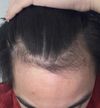
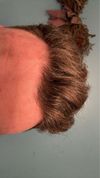
A 34-year-old male is experiencing hair loss on the sides of his head, with inflammation and itchiness, while the top remains thick. He is using topical dutasteride and keto shampoo to address the issue.
A user shared progress pictures after their fifth hair transplant, which included 3,000 grafts from both scalp and body hair. They use topical finasteride and minoxidil, and the procedure cost $22,000 at Maxim in Austin, Texas.
The user is experiencing hair thinning on the sides and back of the head while the top remains thick. A reply suggests it might be retrograde alopecia.
The conversation discusses using scalp antiandrogens like RU58841, pyrilutamide, or fluridil on the face to reduce sebum production, noting that clascoterone (winlevi) is an approved facial antiandrogen with underwhelming reviews.
The user is experiencing excessive hair thinning and is unsure of the cause. They are seeking opinions on treatments like Minoxidil, finasteride, and RU58841.
A 31-year-old male with low normal-range testosterone and DHT is experiencing significant hair loss from the front scalp. He has tried Minoxidil, vitamin D3 and B12 supplements, and exercises regularly but is still seeking the root cause and effective treatment.
The user started using finasteride and minoxidil and noticed fine, spikey hairs on their scalp after oiling with coconut and blackseed oil. Responses suggest these fine hairs could indicate hair regrowth, but more time is needed to see results.
A user is concerned about receding hairlines and considers using finasteride and minoxidil but is hesitant due to potential side effects. Others advise starting treatment early to prevent further hair loss, emphasizing that finasteride is generally safe and effective for prevention.
Liquid minoxidil caused mild seborrheic dermatitis on the user's eyebrows, likely due to propylene glycol. The user is considering switching to foam or oral minoxidil to avoid irritation on the scalp/temples.
The user is considering adding a scalp massager to their current hair loss treatments, which include finasteride, minoxidil, pumpkin seed oil, and microneedling. They are seeking advice on whether to invest in a scalp massager or remain patient with their current regimen.
A 19-year-old with NW2-2.5 hair loss is starting finasteride soon, considering low dosages of 0.25mg daily or 0.5mg 3-5 times a week. They are also using derma stamping, ketoconazole shampoo, ACV washes, and various oils to maintain hair quality and reduce scalp itch.
A user shared progress pictures 1.5 months after a hair transplant of 3500 grafts, using oral finasteride, topical finasteride, minoxidil, and vitamins. They are concerned about potential shock loss and the thinning appearance.
A 17-year-old is experiencing rapid hair loss from NW1.5 to NW3 in six months and feels dermatologists are unhelpful. They are using Minoxidil (Rogaine) and seeking advice on application.
The conversation discusses hair loss treatments, with a focus on PRP, which is viewed skeptically. Minoxidil and finasteride are recommended as more effective options.
The user experienced significant hair growth and increased density after using 1.1mg finasteride for 4-5 weeks and switching from topical to oral minoxidil (3mg) for 3 weeks. They reported no shedding and were uncertain if the growth was due to the oral minoxidil or finasteride.
The user shared their 10-month hair loss treatment progress using Finasteride, Topical Minoxidil, and microneedling, noting significant improvement in their hairline. They also mentioned that Finasteride helped with acne, and other users discussed additional treatments like tretinoin and observed hair regrowth patterns.
The user, a 27-year-old male, has been treating early hair loss with topical finasteride and minoxidil, then switched to oral finasteride and dutasteride, but has seen no improvement and plans to add oral minoxidil. Despite treatment, hair loss has progressed from Norwood 1-1.5 to Norwood 3, with noticeable thinning, especially on the left side.
A 34-year-old man has used finasteride for 10 years and dutasteride for 1 year to manage hair loss, experiencing minimal side effects and slight hair thinning. He plans to continue using finasteride, ketoconazole shampoo, and oral liquid finasteride, noting that cost and convenience influenced his dosage choices.
The user has been using dutasteride for 2 years and minoxidil for 1 year, but their hairline is still receding. Some users think the hairline has maintained or gained density, while others notice minor recession.
Finasteride can lead to hair regrowth beyond the first year, with some users experiencing improvements for several years, though results vary. Most regrowth occurs in the first 1-2 years, but some continue to see gradual improvements over time.
A 24-year-old is using 5% topical minoxidil once daily, 1mg finasteride daily, and a derma stamp weekly for hair thickening. Users advise patience, caution with the derma stamp, and suggest waiting longer to see significant results.
KX826 is considered a legitimate option for those who cannot use finasteride or dutasteride, but many users report it as ineffective compared to RU58841. RU58841 is favored by some due to anecdotal evidence of effectiveness, despite the lack of published clinical data.
The conversation is about a person who underwent a hair transplant surgery after using Rogaine, finasteride, and Nutrafol. They received 2300 grafts and discussed the appearance and density of the transplant, with mixed opinions on the results and advice on future procedures.
A user shared their 1.5-year progress after a FUE crown transplant, using dutasteride and oral minoxidil, which improved their hairline and stabilized hair loss. They experienced dizziness from topical minoxidil but had no side effects from finasteride, dutasteride, or oral minoxidil.
The user switched from oral finasteride to oral dutasteride and increased minoxidil dosage, seeing significant hair improvement over a year. They plan to wait until age 35 for a hair transplant, aiming for optimal results.
Hair loss may be linked to the TRPS1 gene and protein, not just DHT. Amplifica's AMP-303 targets mesenchymal stem cells and shows promise in treating hair loss, unlike Pelage's PP405.
The user is using oral minoxidil, finasteride, and a dermaroller for hair loss but is not seeing significant progress after three months. Suggestions include continuing treatment for at least a year, considering dutasteride, adding topical minoxidil, or possibly getting a hair transplant.
A user shared their 3-year progress using finasteride and minoxidil for hair loss, noting significant improvement after adding minoxidil to their routine. They also use a derma roller weekly and apply minoxidil topically to the entire hairline.