The conversation is about organizing hair regrowth results using a standard format in a single post for easier access. Treatments mentioned include oral minoxidil, oral finasteride, and dermarolling.
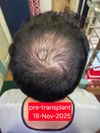
The user received 1600 hair grafts but is dissatisfied and plans a second transplant for better coverage. They use minoxidil and finasteride and are considering adding dutasteride.
Finasteride is effective for DHT/AR-driven hair loss but not for chromosome 20-driven cases, where treatments like minoxidil, prostaglandin analogs, and low-level laser therapy may be more beneficial. Genetic testing can help determine the underlying cause of hair loss to tailor treatment effectively.
A 28-year-old male shares his 7-month progress after a crown hair transplant, using topical minoxidil foam, finasteride, and microneedling. He seeks feedback on whether his crown's progress is typical and if further thickening is expected between months 7 and 12.
The user noticed temple recession and front thinning. Their treatment includes microneedling, topical minoxidil and finasteride, biotin, zinc, selenium, vitamin D3, rosemary oil, and specific shampoos.
After suffering from hair loss and trying various treatments like finasteride, minoxidil, RU58841, and scalp micropigmentation without lasting success, the individual found freedom and a renewed sense of self by shaving their head and accepting their baldness. They encourage others struggling with hair loss to not waste years searching for a cure and to consider embracing a shaved head as a positive solution.
A user shared their positive experience with a 2987 graft hair transplant focused on the hairline, supplemented by finasteride and minoxidil for the mid scalp and crown. They expressed satisfaction with the results and the supportive care received during and after the procedure.
A user regrew all their hair, including temples and bald spots, after one year of finasteride and six months of oral minoxidil. They noted finasteride helped with the crown and bald spot, while minoxidil regrew the hairline and temples.
Diffuse thinning can result in varied regrowth, with some users experiencing better results at the hairline and others at the crown. Treatments mentioned include finasteride, minoxidil (oral and topical), RU58841, microneedling, and dermarolling.
The conversation discusses severe hair shedding and thinning, with the original poster using finasteride, oral minoxidil, and other supplements without improvement. The discussion highlights the possibility of telogen effluvium and the importance of addressing potential underlying health issues, such as stress and gut health, rather than assuming diffuse unpatterned alopecia (DUPA).
User started Finasteride for hair loss and uses Toppik to cover bald spots. They wonder if Toppik's keratin fibers will block follicles and affect hair regrowth.
A user is using topical finasteride, keto shampoo, microneedling, and tretinoin for hair loss and is considering adding pyrilutamide. They notice some improvement at the temples and seek advice on whether to focus on cosmetic results despite daily shedding.
Taurine shows potential in combating hair loss caused by chemical stress, especially when combined with other treatments like finasteride. Finasteride demonstrated better stress-reducing effects in the study.
The user has been using Minoxidil for 2 months and Finasteride for 1 month to address hair loss, particularly at the temples. They are questioning whether the new small hairs are facial hairs or new scalp hair.
User taking 1mg finasteride daily for 2 years, wants to block more scalp DHT. Seeks reference for additional topical DHT blockers like alfatradiol and fluridil.
The user is pleased with their hair transplant results but is concerned about the vertex area. They use Minoxidil and finasteride daily and had the procedure at a clinic in Athens.
The user is using oral finasteride, topical minoxidil, and tretinoin to treat hair loss. After two months, there is noticeable thickening and maintenance of the hairline.
User noticed hair thinning in the front after 5 months on minoxidil and finasteride. They are also using ketoconazole and microneedling to help with hair regrowth.
The user has been on finasteride for 8 months and minoxidil for 3 months, experiencing minor regrowth at the temples but overall worse hair loss, with constant shedding and itching. They are concerned about thinning on the sides and nape, questioning if it's diffuse unpatterned alopecia (DUPA) and seeking advice on what to do next.
A 20-year-old is experiencing hair loss and is using finasteride, ketoconazole, and topical minoxidil. They suspect retrograde alopecia due to hair loss on the sides and nape, despite noticing some hair thickening on top.
The user was prescribed 0.3% topical finasteride with 5% minoxidil for use on the temples twice daily, while continuing minoxidil on the full scalp. Replies suggested using the treatment once daily and questioned the logic of treating only the temples, with one suggesting dilution for use across the entire scalp.
The user is seeking opinions on their hair loss, specifically the receding of their right temple. They are considering switching to Dutasteride but are unsure if it will help. Other users suggest that their hairline has improved with the use of Finasteride and Minoxidil. One user mentions using RU58841 to thicken their hairline.
FluffyyKoala shared their 6-month hair regrowth journey using finasteride, minoxidil, and microneedling, with positive results and minimal side effects. Others in the conversation shared their experiences, asked questions, and congratulated FluffyyKoala on their progress.
A user experienced significant hair regrowth after 4 months using topical finasteride and minoxidil, along with dermastamping and biotin supplements, without side effects. They are not considering a hair transplant due to the success of this regimen.
The user experienced severe side effects from oral finasteride, including sexual dysfunction and mental health issues, and switched to topical finasteride, which led to significant hair shedding. They are considering other treatments like RU58841 or topical dutasteride and are advised to check testosterone levels and address potential underlying health issues.
The conversation discusses two hair loss treatments: Minoxidil 5% with Azelaic Acid 1.5% and Dutasteride 0.05% topical foam, and Finasteride 0.1% with Minoxidil 5% topical foam. Users express uncertainty about the effectiveness of topical Dutasteride, while topical Finasteride is generally considered effective.
The user noticed miniaturized hair at the front of their hairline and is not on any medication. They are concerned if this is a sign of a receding hairline or something normal.
The user "natiggiz" shared their early progress in filling in bald patches using topical finasteride, minoxidil, RU58841, ketoconazole, and derma stamp. Other users commented on the great results and expressed jealousy.