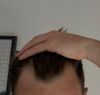
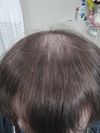
The user has severe diffuse thinning on the scalp and is using finasteride, topical minoxidil, dermarolling, tretinoin, and Nizoral without satisfactory results. They are considering a hair transplant but are concerned about the cost and the number of grafts needed.
A hair transplant significantly improved the user's appearance, making them look younger. They consistently use oral finasteride and minoxidil, which may have contributed to the results.
A user shared their hair loss treatment regimen, which includes minoxidil, finasteride, ketoconazole shampoo, stemoxydine, and microneedling, and reported promising results. Other users complimented the progress.
The user increased their oral Minoxidil dosage from 2.5mg to 5mg daily, alongside taking 1mg Finasteride, and noticed gradual hair regrowth, particularly on the crown, with no shedding but increased body hair growth. They did not experience significant side effects and observed improvements in their hairline.
A user regrets not starting finasteride earlier for hair loss, noticing significant crown thinning by age 30. They have started using finasteride and are considering minoxidil for better hair regrowth.
A user shared progress pictures showing hairline improvement after using oral finasteride (1mg) and minoxidil (3mg) for 5 months. Replies praised the noticeable regrowth and encouraged continued use.
A 30-year-old male is experiencing hair loss and is concerned about his receding hairline, seeking advice on his Norwood scale classification. He is apprehensive about using Minoxidil and finasteride as treatments.
A 46-year-old man maintained his hair over 20 years using finasteride, dutasteride, and minoxidil, with plans for a hair transplant. He experienced some early side effects but found oral minoxidil improved hair thickness significantly.
A 19-year-old male has seen no improvement in hair loss after 10 months on oral finasteride and 2 years on topical minoxidil, with hair thinning and a receding hairline continuing. One reply suggests getting tests to confirm if DHT is the cause of the hair loss.
A 30-year-old man is considering a crown hair transplant after experiencing thinning since 2022, despite using treatments like minoxidil, finasteride, dutasteride, RU58841, microneedling, and ketoconazole shampoo. Opinions vary, with some suggesting additional treatments or lifestyle changes, while others recommend waiting or focusing on maintaining current treatments.
The conversation is about a person sharing before and after pictures of their hair loss treatment, which includes Minoxidil, Finasteride, and Dutasteride. They discuss their own hair loss, particularly the recession of their temporal points.
User noticed new baby hairs on temples after 1.5 months of minoxidil and 1 month of finasteride. They use a topical combo, derma stamp, rosemary oil, scalp massages, and keto shampoo.
A 38-year-old male is experiencing temple hair loss and is considering treatments like topical Finasteride and Minoxidil, despite concerns about side effects and shedding. He is also contemplating a hair transplant and seeking advice on additional shampoos or supplements.
An 18-year-old is concerned about hair thinning and is considering starting Minoxidil and finasteride. They are seeking advice on whether to begin these treatments.
User is 25, using oral finasteride for 4 years, topical minoxidil for 3 years, and microneedling. They ask if hair transplant can be done without scarring when shaving head completely bald later.
A 24-year-old male is experiencing hair thinning and feels hopeless, considering treatments like finasteride and minoxidil but is concerned they might not work. He is also contemplating a dermatologist visit and is unable to afford a hair transplant.
A 21-year-old is using finasteride and previously used minoxidil for hairline concerns, considering a hair transplant despite no visible balding. They are advised to continue finasteride as a preventive measure.
Minoxidil and finasteride have not improved the user's hairline after a year. Suggestions include trying dutasteride, microneedling, or considering a hair transplant for better results.
A 30-year-old male successfully stopped hair loss and improved hair density using red light therapy, saw palmetto, vitamins, L-Arginine, fish oil, derma rolling, and specific shampoos, after experiencing negative effects from minoxidil and finasteride. He emphasizes focusing on blood flow and natural remedies, noting significant improvements in hair and beard fullness.
A 21-year-old has been using oral finasteride, topical minoxidil, and tretinoin for 2 months and notices potential regrowth with baby hairs. They consider adding dutasteride weekly but wonder if current treatments are sufficient.
The user started a hair loss treatment in March 2025 using finasteride, minoxidil, omega-3, biotin, a DHT-blocking multivitamin, and a derma roller, and is satisfied with the progress after four months. The community is impressed with the results, noting significant hair regrowth and improvement.
Finasteride worked better for frontal scalp hair loss, while dutasteride helped the crown and mid-scalp but worsened the frontal area. The user shared personal experiences and invited open dialogue.
A 34-year-old man experienced hair loss during the COVID-19 pandemic and successfully treated it using minoxidil, reducing shampoo use, and taking fenugreek. He saw significant improvement within a few months and no longer appears bald.
Verteporfin might be a potential cure for hair loss and could heal scars, which may lead to natural-looking results when combined with hairline lowering surgery. One person suggests waiting to see if verteporfin actually works as claimed.
A 29-year-old shares progress on hair recovery using a daily liposomal topical mix of finasteride and minoxidil, iRestore device, and several vitamins. They report no side effects from the topical treatment, unlike previous issues with oral finasteride.
The user experienced significant hair regrowth over two years using topical minoxidil and oral finasteride, with no side effects from finasteride. Despite initial skepticism from others, the user confirmed the progress was not due to a hair transplant.
Minoxidil and dermarolling have shown significant hair regrowth in four months, especially at the crown and hairline. Users agree the progress is impressive for the short duration.
Many regret delaying hair loss treatments like finasteride and minoxidil, impacting self-esteem and dating. Additional treatments include scalp micropigmentation and hair transplants, with some experiencing side effects or high costs.
User asks if dutasteride destroys hairlines. Some users share negative experiences, while others report improvement or no issues. Advice given: start with finasteride and consider anti-androgens if needed.