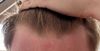
Hair loss progress discussed with 4.5 months on topical fin (0.025% liposomal). User uses rosemary oil for scalp health, and others think there might be some thickening or maintenance.
A user is experiencing hair regrowth after using oral finasteride, topical minoxidil, biotin, multivitamins, vitamin D, and dutasteride. They also use ketoconazole shampoo and Revita density shampoo to manage flakes and improve hair thickness.
The user experienced increased hair loss and scalp itchiness despite using finasteride and plans to resume minoxidil and start microneedling. They are considering using clay, Aveda thickening tonic, and a beanie to manage the appearance of thinning hair.
An 18-year-old experiencing mild hair thinning is prescribed ketoconazole shampoo, clobetasol, and a solution with minoxidil, finasteride, and tretinoin. They are hesitant to start finasteride due to concerns about systemic absorption and its impact on facial hair development.
The user has been using minoxidil, finasteride, ketoconazole shampoo, biotin, and microneedling for hair regrowth, noticing some improvement with baby hairs and a fuller front hairline. They are considering adding rosemary oil and a dermastamp to enhance results, particularly around the thinning temple areas.
The post discusses the theory that persistent dandruff in areas prone to hair loss could be a sign of hair follicles dying due to DHT, indicating balding. The responses vary, with some users noting improvements in dandruff and hair loss with treatments like Dutasteride, while others experienced hair loss without dandruff.
A female user's experience with topical and oral finasteride for hair loss, which has been successful as evidenced by the reduction of miniaturized hairs. Replies to the post discussed the recommended dosage for females versus males.
The user is experiencing hair thinning and brittleness, possibly due to Telogen Effluvium, which affects body hair and may be linked to stress or nutrition. They are considering using finasteride for treatment but are unsure if it will address their symptoms.
Hair fibers impressively cover bald spots, boosting confidence. User started big 3 treatment (0.5mg fin, 1 time minoxidil 5% topical, ketoconazole 2%) for regrowth.
The user reports positive progress in hair regrowth using 1mg oral finasteride, 3mg oral minoxidil, biotin, vitamin D, red light therapy, and microneedling. They note thickening at the hairline and some regrowth at the temples.
PP405 is a promising experimental topical treatment for alopecia that reactivates dormant hair follicles by targeting cellular energy, with large-scale trials planned for 2026. While it shows potential, it cannot regenerate permanently destroyed follicles, making hair transplants the only guaranteed solution for advanced baldness currently.
A user experienced severe hair shedding and hairline recession after 10 months on finasteride. They are considering switching to dutasteride or adding minoxidil.
The user has been using finasteride, minoxidil, Viviscal, biotin, saw palmetto, fish oil, and alternating shampoos to combat hair loss but continues to experience thinning, especially at the hairline. They are considering trying dutasteride but are hesitant, and they are contemplating shaving their head if the situation doesn't improve.
A 22-year-old using finasteride and 2% ketoconazole shampoo for hair loss sees mixed results after three months, with some improvement at the crown but worsening at the temples. Suggestions include waiting 6-12 months, considering dutasteride, adding minoxidil, microneedling, caffeine tonic, and retinol.
The user is experiencing hair loss, possibly due to androgenetic alopecia and seborrheic dermatitis, and has tried ketoconazole shampoo without success. They are hesitant to use finasteride due to potential side effects and are seeking advice on managing their condition.
A user is experiencing accelerated hair loss and is struggling to maintain their mohawk. They are seeking alternatives to Minoxidil and Finasteride, considering a hair transplant, and looking for a doctor in Berlin who can prescribe Finasteride.
Hair loss treatments, including PP405, minoxidil, finasteride, and RU58841, with hopes for future solutions. Participants discuss the emotional impact of hair loss and consider alternatives like hair transplants or acceptance.
A 24-year-old male is experiencing a receding hairline and is advised to use topical minoxidil for hair regrowth, while being cautious about finasteride due to potential side effects. Adding ketoconazole shampoo is suggested for scalp health, and consistent use of minoxidil is recommended for noticeable results in 3-6 months.
A 23-year-old male is experiencing a receding hairline and overall thinning hair, affecting his confidence. He is considering using finasteride and minoxidil pills to address the issue.
Finasteride helped OP recover their hairline, and they did not use minoxidil. OP experienced significant hair regrowth with finasteride, similar to their father's experience.
A 33-year-old male experienced sudden, rapid hair loss, possibly due to a reaction to mentholated shampoo and undiluted tea tree oil, with a history of seborrheic dermatitis. He is currently taking finasteride, vitamin D3, a multivitamin, and biotin, and is seeking further medical evaluation.
Lichen Planopilaris (LPP) is an autoimmune condition causing permanent hair loss and fibrosis, often misdiagnosed. Treatments include pioglitazone, topical corticosteroids, anti-inflammatory medication, and Jak inhibitors.
The conversation discusses using topical finasteride and minoxidil for hair loss, focusing on the crown and mid-scalp areas. The user is optimistic about seeing results in 3 to 6 months.
The conversation discusses various treatments for hair loss, including finasteride, minoxidil, dutasteride, microneedling, and checking for nutrient deficiencies. Some users suggest adding hydrocortisone butyrate, low-dose progesterone, or tretinoin to treatment regimens, while others recommend cosmetic solutions like Toppik hair fibers or shaving the head.
A user discusses mild/moderate hair loss and considers switching from oral to topical finasteride due to past endocrine issues. They seek feedback on topical finasteride's effectiveness and reputable sources, with replies suggesting Minoxidilmax products as effective alternatives.
A user shared their 75-day progress using oral minoxidil, finasteride, ketoconazole shampoo, and dermastamping for retrograde alopecia, reporting significant improvement and increased body hair without side effects. They also discussed quitting smoking and the potential correlation between early beard growth and male pattern baldness.
People discussed solutions for scalp itching related to hair loss, with treatments including finasteride, dutasteride, ketoconazole shampoo, and Alpecin Hybrid shampoo. Some users found relief by adjusting dosages of finasteride or switching to dutasteride, while others recommended specific shampoos or prescription options like olux foam.
A user with diffuse thinning alopecia uses a custom full cap wig for an active lifestyle, costing $450 and lasting about 10 months. They share their positive experience with the wig as an alternative for those for whom treatments like Minoxidil, finasteride, or RU58841 don't work.
A 24-year-old male started using 1 mg finasteride and topical minoxidil for hair loss in February 2025. By June 2025, he noticed improvement in his right temple but experienced thinning at the crown and continued shedding.
A 21-year-old is using a topical solution with minoxidil and finasteride for hair loss, along with supplements and specific shampoos, and is considering switching to oral treatments if no progress is seen in a few months. They are concerned about diffuse thinning and potential future hair transplants, and are exploring additional treatments like microneedling and tretinoin.