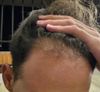
A user experienced severe hair shedding and hairlinerecession after 10 months on finasteride. They are considering switching to dutasteride or adding minoxidil.
The user has been using 5% topical minoxidil for a year, but hair loss has worsened recently. They are considering adding finasteride to their treatment.
A 28-year-old male using Tugain 10 minoxidil, Finpecia 1mg finasteride, Cipla Ketoconazole shampoo, and dermarolling 0.5mm weekly for 3-4 months is seeing some hair regrowth. Encouragement is given to continue the regimen.
The user experienced noticeable hairline regrowth after starting finasteride for crown hair loss, despite scalp irritation from topical minoxidil. They are impatient for crown results.
An 18-year-old noticed hair thinning at 17, started finasteride 5 months ago, and saw shedding stop but no regrowth. They suspect male pattern baldness due to family history and are concerned about thinning on the back and sides, possibly due to inflammation.
A 40-year-old user reports promising hairline improvement after 4 months of using 1mg finasteride daily and 5% minoxidil foam 2-2.5 times daily. The hairline vellus hair appears to be turning terminal.
The user is seeking a doctor to prescribe finasteride for a receding hairline and thin hair, considering using minoxidil and supplements as well. Suggestions include using telehealth services or local doctors for prescriptions and exploring non-surgical treatment options with dermatologists.
A 19-year-old male has been losing hair since 16-17 and feels more depressed after 6 months of using topical minoxidil and finasteride, which made his hair dry and greasy. Another user suggested switching to oral finasteride and provided tips for using topical minoxidil to reduce greasiness.
Finasteride may help stabilize hair loss, but regrowth at the temples is challenging and often requires additional treatments like minoxidil or a hair transplant. Users suggest patience and possibly combining treatments for better results.
The user experienced significant hair regrowth by returning to a regimen of 1mg oral finasteride daily and daily topical minoxidil after previously reducing their doses. They also emphasize maintaining energy and health through diet, exercise, and supplements.
Individuals with oily scalps, dandruff, and diffuse thinning hair loss who have managed to either halt the loss or regrow their hair by using topical finasteride and minoxidil as well as microneedling and ketoconazole 2% shampoo.
The conversation is about a user's 17-month progress in treating hair loss using finasteride, minoxidil, occasional 0.5mm microneedling, and Nizoral. The user reports significant hairline recovery and aims to achieve a pre-hair loss hairline within the next 6 months.
The user experienced hair thinning in the middle of their head despite using finasteride and minoxidil and having a hair transplant. They are concerned about the thinning and considering shaving their head, while being advised to continue treatment and manage stress.
The user experienced significant hair regrowth using finasteride and minoxidil for two years, but then noticed hair thinning and a receding hairline. Despite concerns, replies suggest the user's hair still looks good and shows improvement from the beginning.
A 19-year-old male is experiencing accelerated hair recession after two months on oral Dutasteride, despite no noticeable shedding, while also using topical Minoxidil and Finasteride. He is unsure if the treatment is effective and is unable to access RU58841.
The user is using oral minoxidil, ghk-cu, and HGH for hair regrowth, noticing small vellus hairs on the crown. They avoid traditional DHT blockers like finasteride due to side effects, despite skepticism from others about the effectiveness of ghk-cu.
Iron and zinc vitamins helped improve hairline regrowth for someone with celiac disease. Nutrient deficiencies, like iron, can contribute to hair loss, especially around the temples.
Kitchen_Plastic_2847 had been fighting hair loss since 2019-2020 and was initially successful in regrowing his hair with finasteride. However, after contracting Covid three times back to back at the start of 2021, he started to lose his hair again. He found a new dermatologist who prescribed him oral minoxidil along with finasteride, but eventually decided it wasn't worth spending all the money to try and save his hair.
Celonius discusses hair loss and plans for a FUE Hair Transplant, but worries about how it will look when shaved in the future. Derhab21 suggests going for the transplant and mentions potential future treatments like Breezula and stem cell injections.
The hair transplant has a straight, unnatural-looking hairline that many find unappealing. The person is not using finasteride or minoxidil, which may affect future hair retention.
A 21-year-old is experiencing hair thinning and is using oral finasteride and topical minoxidil, considering adding oral minoxidil. They are unsure if the condition is androgenetic alopecia (AGA) or telogen effluvium (TE) and are advised to continue treatments and get a blood test.
A 20-year-old with aggressive hair loss is using oral minoxidil and finasteride, considering a buzz cut to manage appearance. Most suggest a buzz cut or shaving, recommending patience with medication and possibly trying RU58841 or dutasteride.
A user successfully improved their hairline after 15 months using topical minoxidil and dutasteride. Some commenters question the necessity of treatment given the user's original hair condition, while others support early intervention.
User experienced hair regrowth with finasteride and minoxidil but started losing hair again after 1 year and 4 months. They ask if they should switch to dutasteride or wait longer.
Finasteride typically helps maintain the existing hairline and taking 0.5mg MWF is considered effective. Hair transplants remain an option if further treatment is needed.
The user experienced significant hair regrowth with topical finasteride, minoxidil, ketoconazole, and dermarolling, but later faced severe hair shedding after stopping dermarolling and reducing ketoconazole use. Suggestions included switching to oral treatments, resuming dermarolling, and considering lifestyle changes.
The user experienced hair regrowth with finasteride and minoxidil but faced shedding after stopping the treatment. They resumed the treatment and used Toppik hair fibers to mask hair thinning during the shedding phase.
Teenager with hair loss shares experience and encourages others to address their hair loss early. They use a stack of topical finasteride/minoxidil, derma stamp, and ketoconazole shampoo for treatment.
The user showed progress in hair regrowth using topical Minoxidil, oral Finasteride, and derma rolling with tretinoin. They seek advice on achieving Norwood 1 and the number of grafts needed for hairline restoration.
An 18-year-old is maintaining a stable hairline using Minoxidil, topical finasteride (Fynzur), and Dermastamp, and is considering adding oral finasteride for prevention. They seek advice on whether starting oral finasteride early is necessary given their family history and current regimen.