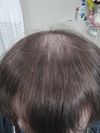
A trans woman is using finasteride, minoxidil, microneedling, and HRT to address hair loss, with noticeable improvement in hairline shape and presence of vellus hairs. She is considering hair transplants if these treatments don't yield desired results within a year or two.
A user shared progress pictures after 8 months of using topical 5% minoxidil and 0.01% finasteride, showing significant hair regrowth. Replies suggest the user might not need a hair transplant and recommend considering oral finasteride.
A humorous discussion about hair regrowth using finasteride, with jokes about telekinesis and tiny ants. The conversation is satirical, with users making light of hair loss treatments.
The safety of combining alfatradiol and fluridil with finasteride as a potential treatment for male pattern baldness, which is approved in the European Union. Other treatments such as minoxidil and RU58841 were also discussed.
Male pattern baldness (MPB) may be an early warning sign for type 2 diabetes due to its association with insulin resistance. Treatments discussed include testosterone therapy and finasteride, which affects hormone levels related to hair loss and insulin sensitivity.
User experienced hair loss after surgery and was diagnosed with TE. The doctor recommended PRP therapy, Finasteride, Anatrix pro Hair Serum, a multivitamin, and a lotion and shampoo containing Zinc Pyrithione.
The user reports progress in hair regrowth using topical finasteride/minoxidil, microneedling, topical dutasteride, latanoprost, and MSM supplements. They express frustration over the lack of interaction on progress posts compared to trivial topics.
A 20-year-old is concerned about hairline changes and wonders if it's maturing or male pattern baldness (MPB). Suggestions include consulting a specialist and considering treatments like finasteride or minoxidil.
A 31-year-old with diffuse thinning experienced significant hair regrowth after nearly 5 months on Finasteride 0.75mg MWF. Despite initial side effects like testicle pain and reduced sex drive, these issues resolved, and positive effects included reduced nighttime urination and scalp itching.
The user shared progress pictures over four months using topical finasteride, topical and oral minoxidil, topical RU58841 daily, and oral dutasteride once a week. The pictures are spaced about a month apart.
The user is using topical minoxidil and oral finasteride for hair regrowth, with plans for a future hair transplant. They are considering additional treatments like dermastamping and exploring options for dutasteride, which is unavailable in their country.
PP405 is moving to late-stage trials, showing potential for hair regrowth, with 31% of male patients experiencing a 20% increase in hair density. Veradermics is developing an oral minoxidil version, and there is interest in combining treatments for better results.
A user shared their 2-month progress on hair regrowth using oral minoxidil, oral finasteride, and topical minoxidil with pyrilutamide. They reported seeing tiny hairs growing and no side effects from finasteride so far.
Oral finasteride is recommended over topical finasteride for men in the Indian subcontinent, with no reported side effects. Minoxidil and dermarolling are also suggested, while dietary supplements and topical finasteride are deemed less effective.
A 24-year-old male is experiencing hair thinning and feels hopeless, considering treatments like finasteride and minoxidil but is concerned they might not work. He is also contemplating a dermatologist visit and is unable to afford a hair transplant.
A 28-year-old male is experiencing hairline recession despite his family having full heads of hair. Suggested treatments include finasteride, minoxidil, and ketoconazole 2% shampoo.
A user experienced significant hair improvement using oral finasteride for six months, adding microneedling and switching to non-sulfate shampoo. They managed side effects by working out and noticed no negative impact on libido.
A 31-year-old male with low normal-range testosterone and DHT is experiencing significant hair loss from the front scalp. He has tried Minoxidil, vitamin D3 and B12 supplements, and exercises regularly but is still seeking the root cause and effective treatment.
The conversation is about using dutasteride mesotherapy with a dermaroller for treating a receding hairline, especially on the temples. The user is seeking advice on its effectiveness.
A user shared progress pictures of their FUT hair transplant in Korea, showing results one year post-op. The conversation highlights the density of the hair, the quality of Korean hair treatments, and mentions treatments like Minoxidil, finasteride, and Dutasteride.
The conversation is about the effectiveness of hair loss treatments, specifically finasteride and dutasteride, in different populations. Some users believe that the results of Japanese studies may not be relevant to Caucasian men, especially young ones, and that East Asians may respond better to these treatments. Others argue that clinical studies should be the basis for decision-making, while acknowledging that individual responses to medications can vary.
The user had a hair transplant in 2021 with 1600 grafts and is currently using finasteride, minoxidil, biotin, and collagen. They are considering another transplant in Turkey to address a bald spot and improve coverage in the front and middle.
Scalp tension may contribute to hair loss by increasing DHT levels, with potential solutions like scalp massages and Botox. Concerns about finasteride's side effects were discussed, and some users shared personal experiences with alternative treatments like scalp massaging and Botox.
A 19-year-old is experiencing hair thinning at the corners and some hair loss during sleep and washing. They are seeking advice on which treatment to start.
The user has tried various hair loss treatments including minoxidil, finasteride, and others, experiencing side effects and is seeking recommendations for a knowledgeable doctor in the California Bay Area. They had a negative experience with one doctor and are considering a hair transplant but want to avoid further side effects.
The conversation discusses using topical finasteride (0.25% gel) and minoxidil (5% foam) for hair loss, with users sharing experiences about application methods, microneedling, and results. Some users have switched to oral finasteride for convenience and cost-effectiveness, while others discuss the greasy nature of the topical solution.
The user cannot tolerate oral finasteride and is considering topical finasteride, minoxidil, microneedling, and RU58841 as alternative treatments for hair loss. They seek advice on whether these options are worth trying.
The user started using 5% topical Minoxidil in early November and noticed some hair growth, especially on the crown, and has just begun taking 1mg oral Finasteride. They plan to continue treatment and share progress updates.