Setipiprant trial for hair loss failed, showing no difference between placebo and treatment. Discussion also noted placebo users reporting side effects.
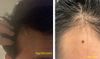
Hair loss progress discussed with 4.5 months on topical fin (0.025% liposomal). User uses rosemary oil for scalp health, and others think there might be some thickening or maintenance.
A user shared their 4.5-month progress using oral finasteride and topical minoxidil for hair loss, noting some perceived improvement in the crown area. Other users encouraged them to continue the treatment.
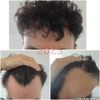
The conversation is about someone's 4.5-month progress using oral finasteride and topical minoxidil once daily for hair loss. They shared their results with progress pictures.
The post is about a user's one-year progress in treating hair loss with finasteride and minoxidil. The conclusion is that the user experienced gradual improvement each month, with significant results after one year.
The conversation discusses skepticism about the effectiveness of scalp tension theory and scalp massagers for hair regrowth, contrasting it with treatments like finasteride and minoxidil, which have more user-reported results. Participants question the belief in scalp tension theory, suggesting it may be a marketing tactic, while others argue for a multifactorial approach to hair loss.
A new hair loss treatment theory beyond minoxidil and finasteride is proposed, causing mixed reactions in the community, with some members eager to explore and support it, while others call for more research and evidence.
The user expresses positivity about managing hair loss and celebrates good hair days. They mention using finasteride (Propecia) as part of their treatment.
A 23-year-old male is experiencing diffuse hair loss and miniaturization, possibly due to high IGE levels after using tofacitinib. He seeks advice and has not yet consulted a dermatologist.
User decides to accept baldness due to mental health issues with finasteride. Others suggest considering hair systems, topical finasteride, or RU58841 as alternatives.
A 20-year-old is experiencing aggressive hair loss and is using oral finasteride, topical minoxidil, tretinoin, rosemary oil, and dermarolling in an attempt to manage it. They are concerned about their appearance and future hair loss, seeking advice on additional treatments.
The user experienced significant hair regrowth using a nightly topical spray with 0.3% finasteride and 6% minoxidil, without side effects. Noticeable improvements were seen within three months, with continued progress over time.
The post discusses the user's experience with hair loss treatment using finasteride, clobetasol propionate, and ketoconazole shampoo. The conversation warns about the potential side effects of clobetasol, a powerful topical steroid, and emphasizes its short-term usage.
Tressless GPT is now free and accessible for hair loss advice. Treatments discussed include Minoxidil, finasteride, RU58841, dutasteride mesotherapy, topical melatonin, microneedling, and rapamycin.
A 33-year-old experienced significant hair regrowth on the crown after one year of using oral finasteride (1mg) and minoxidil (2.5mg) daily, with initial concerns about libido that resolved after a week. The user reported minimal shedding and no other side effects, making a hair transplant optional.
The user has been using topical 0.3% finasteride, 5% minoxidil, and Nizoral for 5 months and is questioning if they are experiencing hair regrowth. The conversation revolves around identifying potential hair regrowth.
The user started using 5% topical Minoxidil in early November and noticed some hair growth, especially on the crown, and has just begun taking 1mg oral Finasteride. They plan to continue treatment and share progress updates.
A user shared their positive experience with a 2987 graft hair transplant focused on the hairline, supplemented by finasteride and minoxidil for the mid scalp and crown. They expressed satisfaction with the results and the supportive care received during and after the procedure.
The user has been using finasteride and minoxidil for 7 months, seeing thicker hair but no temple regrowth, and is considering switching to dutasteride. Another person suggested trying microneedling on the temples before changing medications.
The conversation discusses switching from finasteride to dutasteride due to side effects, with some users experiencing fewer side effects on dutasteride. It also mentions using liposomal topical finasteride and ketoconazole shampoo as alternative treatments.
The conversation discusses hair loss treatments, specifically topical finasteride and minoxidil, with users debating the effectiveness and honesty of progress pictures. Some users claim significant regrowth, while others argue about the influence of lighting and angles on perceived results.
A 21-year-old is using finasteride and previously used minoxidil for hairline concerns, considering a hair transplant despite no visible balding. They are advised to continue finasteride as a preventive measure.
Liquid minoxidil caused mild seborrheic dermatitis on the user's eyebrows, likely due to propylene glycol. The user is considering switching to foam or oral minoxidil to avoid irritation on the scalp/temples.
A 28-year-old male with a family history of baldness is deciding whether to start finasteride now or wait for visible hair changes. He is considering starting finasteride immediately to proactively address potential hair loss.
The user has been using topical minoxidil and finasteride for 5 months and is considering a hair transplant to improve hair density. They are also using a 0.5mm dermaroller once a week.
The conversation is about the potential side effects of using verteporfin in conjunction with a hair transplant. Specific treatments discussed include verteporfin, a hair transplant (HT), minoxidil (Min), finasteride (Fin), and RU58841 (RU).
A user's progress with their hair loss treatment, which includes finasteride and nizoral, as well as the potential for using minoxidil; other users providing advice based on their own experiences; and others discussing how buzz cuts can make diffuse thinning look worse than it is.
A humorous discussion about hair regrowth using finasteride, with jokes about telekinesis and tiny ants. The conversation is satirical, with users making light of hair loss treatments.
Transitioning from finasteride to dutasteride for hair loss, with suggestions to either slowly transition or frontload dutasteride. The user is also using minoxidil, nizoral, needling, and LLLT.