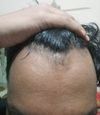
Hair loss discussion involved Finasteride, Minoxidil, and RU58841. User experienced sudden shedding after 1.5 years of Finasteride and Minoxidil use, seeking advice.
A user experiencing excessive hairshedding and a receding hairline is questioning if low vitamin D levels could be the cause, despite levels being within the normal range. Replies suggest that while vitamin D deficiency can cause hair loss, it might not be the issue in this case.
Dutasteride and oral minoxidil are not effectively stopping hair loss for the user, despite trying various treatments including ketoconazole shampoo. Suggestions include increasing dosages, considering alternative treatments, and consulting a doctor.
The conversation discusses hair regrowth and miniaturization, with the user transitioning to oral dutasteride and oral minoxidil, and occasionally using topical minoxidil. The user observes baby hairs near the hairline but less on the scalp, indicating possible regrowth and shedding.
The conversation discusses hair loss concerns, with suggestions to use finasteride (Fin) and minoxidil (Min) as treatments. Stress, creatine in protein shakes, and male pattern baldness are considered potential factors.
A 43-year-old experienced hair loss and used Finasteride successfully for 18 years before switching to Dutasteride due to renewed thinning. After 6 months on Dutasteride, they experienced itching and increased hair loss, leading to concerns about prolonged shedding and considering switching back to Finasteride.
A 20-year-old male uses oral finasteride daily, ketoconazole shampoo, rosemary and castor oil, and dermarolls for hair loss. Despite initial shedding and some baby hair growth, he worries these treatments may not be enough long-term.
Improved diet, reduced alcohol consumption, and better water quality led to thicker hair and less shedding. The user also used MSM supplements, vitamin C, multivitamins, biotin shampoo, and growth oil.
The user has been experiencing hair loss since their teens, is now 30 years old, and is considering using a combination of finasteride, minoxidil, and derma rolling as a last effort to combat hair loss after trying other treatments like Regaine and caffeine shampoos with limited success. They are seeking advice on how to start this treatment and where to purchase the products in the UK.
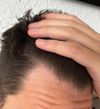
Hairshedding in the shower is normal, with 50-100 strands lost daily, but excessive shedding may indicate issues like low iron. Treatments like gentle hair care, iron supplements, and medications like minoxidil and finasteride can help reduce hair loss.
A 19-year-old experiencing severe hair loss since 16 is using a treatment regimen of 5% minoxidil, 0.1% finasteride topical solution, 3% procapil hair serum, and 0.5 mg dutasteride daily. They are concerned about the effectiveness and potential shedding phase, with advice suggesting noticeable changes in 6 to 8 months.
The user experienced severe hairshedding from RU58841 and recovered by stopping its use and starting treatments including Minoxidil, Rosemary Verbenone, Stemoxydine, Aminexil, copper peptide serum, and specific shampoos. They also consistently used oral Finasteride and plan to try Minoxidil 10%.
Hair fibers impressively cover bald spots, boosting confidence. User started big 3 treatment (0.5mg fin, 1 time minoxidil 5% topical, ketoconazole 2%) for regrowth.
A 28-year-old male has been using finasteride for 3 years to stabilize hair loss but is now experiencing increased hairshedding and considering switching to dutasteride. Some users suggest it might be a temporary shedding phase, while others discuss potential effects of other factors like creatine.
The user is using finasteride, minoxidil, topical minoxidil with tretinoin, a derma stamp, and ketoconazole shampoo for hair regrowth. They experienced shedding after increasing the dose but are hopeful for fuller hair by November or December.
The conversation discusses a user's 13-week experience using finasteride, topical minoxidil, and biotin for hair loss, noting initial shedding and subsequent improvement. Replies suggest some improvement may be visible, likely due to minoxidil, and encourage patience.
The user experienced significant hair improvement using finasteride, minoxidil, ketoconazole shampoo, and microneedling over a year, with no side effects. They used topical minoxidil and reported shedding phases, but no current shedding as of March 2026.
Low Vitamin D can cause hairshedding, and taking 5000 IU of Vitamin D daily reduced shedding significantly. Vitamin D deficiency is common and correcting it can benefit overall health.
A 30-year-old with a family history of receding hairlines is considering starting finasteride due to gradual hairline recession. They are seeking advice on whether to begin treatment or if they are worrying unnecessarily.
The user switched from finasteride and topical minoxidil to oral dutasteride and minoxidil, with plans to add RU58841, to improve hair growth and address a stubborn bald spot. Despite initial shedding, the user noticed thicker, darker hair and plans to continue the treatment or consider a hair transplant.
Hair loss discussion includes Minoxidil and regrowth. Regrowing hairs start light and curly, then become dark and thick; losing temporal peaks is normal.
After jaw surgery caused intense hairshedding and scalp itch, using pyrilutamide significantly reduced these symptoms. It's suggested to test pyrilutamide for authenticity before use, despite positive personal experience with the product from MV Supplements.
Volunteers using finasteride and minoxidil are needed to test if intense calf raises increase hairshedding. The goal is to see if overexertion of leg muscles affects hair loss.
A 24-year-old male experiencing increased hair thinning and shedding recently started using rosemary and castor oil, microneedling, and an anti-dandruff shampoo. He is considering adding Saw Palmetto and seeks recommendations for a good shampoo.
After 12 years of success with oral finasteride and topical minoxidil, the user is experiencing hair thinning and scalp discomfort. They are considering options like switching to oral minoxidil, adding dutasteride, or using ketoconazole shampoo, topical caffeine, rosemary serum, and supplements.
A 29-year-old male shares progress pictures after 4 months using finasteride and 2% ketoconazole shampoo, noting initial shedding but overall improvement. He avoids minoxidil and microneedling, and reports thicker hair in balding areas while maintaining high water intake.
The user is experiencing aggressive hair loss since their teens and has tried finasteride, topical minoxidil, dutasteride, and oral minoxidil without success in halting the hair loss. They are seeking advice on how to stop it.
Switching from oral to topical dutasteride can cause shedding due to changes in DHT levels, and it's recommended to overlap both treatments to minimize this effect. Topical dutasteride may cause scalp irritation, and the user is considering dutasteride mesotherapy as an alternative.
The user has experienced a 9-month cycle of heavy shedding followed by 9 months of no shedding while on Finasteride for three years. They also use Spironolactone and oral Minoxidil but haven't noticed these affecting the shedding cycle.