Search
for
Sort by
Community Join
420-450 / 1000+ resultscommunity 6 months of finasteride and ghk-cu
The conversation is about hair loss treatment progress using finasteride and GHK-CU over six months. Users discuss application methods and share experiences with GHK-CU and AHK.
community medication for hair loss spironolactone
41-year-old female experienced slow hair thinning, took finasteride for a year, then switched to spironolactone. Irregular periods occurred, seeking advice on long-term side effects and considering a third medication.
community Funny Encounter With a Mechanic - Hair Loss Update
The user has been taking 3.75mg of finasteride weekly for 8 months, which has improved their hairline and hair texture. They shared a humorous encounter with a bald mechanic who complimented their hair, unaware of the finasteride use.
community Update: 6 months on only Fin - 25 years w/ my story. It's long but hopefully worth it. My hair offers a unique way of measuring my fin progress.
The user experienced hair regrowth and stronger dreadlocks after six months on finasteride, despite initial shedding and reduced libido. They plan to continue the treatment, possibly adjusting the dosage or adding topical treatments.
community Switched back to finasteride after 7 month on dut
community Progress picture/26/Male/Finasteride/Fish oil
A 26-year-old male shares his hair loss journey, using finasteride and fish oil daily since the pandemic. He briefly tried biotin and microneedling but stopped due to inconvenience.
community Would you continue to use Finasteride and Minoxidil once HMI 115 becomes available?
The conversation discusses the potential use of HMI 115 for hair loss and whether it could replace or be used alongside finasteride, minoxidil, and RU58841. The user is experiencing scalp inflammation and continued hair shedding despite using finasteride for 8 years.
community Parents found my finasteride stash and are forcing me to dispose all of it
A 21-year-old has been using finasteride for nearly a year with positive results for hair loss. His parents found his stash, misunderstood the risks, and are forcing him to dispose of it, leading him to seek advice on handling the situation.
community high estrogen levels after 10month fin
A user experienced high estrogen levels after 10 months of taking 1mg oral finasteride but is happy with hair regrowth. They are considering switching to topical finasteride and are also taking DIM and Zinc supplements.
community 5 montsh of treatment with min-fin
community SUBE3 for sale in the gray market?
SCUBE3 is available online but poses risks like tumor promotion and high costs. Users advise against using it due to health concerns and inefficacy as a standalone treatment.
community Future hope ? What do you guys predict ? clascoterone, pyrilutamide, gt20029 etc.
User tried oral finasteride, topical finasteride, topical dutasteride, and RU58841 but experienced side effects. They discuss upcoming treatments like clascoterone, pyrilutamide, gt20029, and KY19382 as potential options.
community How I'm treating fin related gynecomastia
community Is DUT better or worse than FIN?
The conversation discusses the effectiveness of Dutasteride (DUT) and Finasteride (FIN) for hair loss. Users share varied experiences, with some finding DUT more effective and others experiencing side effects or no change, highlighting that individual responses can vary.
community High E2 Estradiol normal DHT while been 6 months on Fin.
community Two months Fin / oral Min, age 48; same lighting, same haircut
The user "NotYourMothersDildo" shared their progress pictures after using finasteride and oral minoxidil for 60 days. They noticed significant improvements in hair thickness, texture, and growth, including their mustache and beard.
community The final nail in the coffin. PP405 is confirmed JXL069.
community 5 years – Fin, Min, Microneedle and then HT
A user's experience of using Fin, Min and Microneedle treatments to help thicken their hair before undergoing a Hair Transplant (HT) procedure. The conversation also includes discussion about the results post-HT, including pictures.
community DHT is higher on DUT than on FIN. Why?
The conversation discusses the fluctuation of testosterone levels in men under 40 and the difference between serum DHT and scalp DHT. It also mentions that DHT levels are higher on Dutasteride than on Finasteride, which is unusual.
community How does finasteride leave your body?
Finasteride is metabolized in the liver and excreted through urine and feces. Users humorously discuss its excretion, with one joking about it being expelled through ejaculation.
community 4months fin and dermarolling prog
User shares progress after 4 months of using finasteride and dermarolling, with occasional use of coconut and rosemary oil. They aim to stop hair loss and hope for increased top density.
community Finnasterid (1mg) 5 month results
The user shared positive results after 5 months of using oral finasteride, reporting no side effects and continued shedding but less than in the initial months. Other users discussed their experiences with finasteride and minoxidil, with some expressing concerns about side effects and others sharing their own progress and plans.
community A year of fin+min(23yo), got my life back
A 23 year old user who has had success with finasteride and minoxidil, regaining their hair after losing it due to male pattern baldness. They also attribute part of the success to lifestyle changes such as eating better, exercising, sleeping well, and reducing smoking.
community New Fluridil group buy
A group buy for products to treat hair loss, such as Minoxidil, Finasteride and RU58841. Participants are interested in adding more people before ordering the next order.
community IGF-1 and Peptides? Miracle molecule waiting to be found
The conversation discusses potential hair loss treatments focusing on stimulating IGF-1 at the follicle level using growth-factor cocktails and engineered peptides, such as Acetyl Tetrapeptide-3, Copper Tripeptide-1, Oligopeptide-20, Thymosin-β4, and Palmitoyl Tetrapeptide-7. It suggests that device-assisted delivery methods like microneedling may enhance effectiveness.
community My experience with Bosley in California
The user felt pressured during a hair transplant consultation at Bosley, where they were advised to undergo FUT surgery and use a laser cap for maintenance, but did not meet with a doctor. Other users recommended seeking a second opinion from reputable doctors like Dr. Rassman and suggested trying finasteride first.
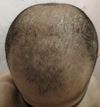
community Am I good a candidate for oral finastride
The user has been using topical finasteride and minoxidil for three years and is considering switching to oral finasteride. They are questioning if they can still benefit from topical finasteride or if they should stop and avoid potential side effects.
community 2 full years Fin and Min — I think it’s progress 48 year old
A 48-year-old reported significant hair regrowth after two years using finasteride and minoxidil, with better results on the temples and using a dermastamp for the crown. The user experienced no side effects from the treatments.
community I had a hair transplant at age 23 in the UK! Here to show results, progress and story.
A 24-year-old had an FUE hair transplant in Liverpool at age 23, after starting finasteride at 20 to halt hair loss. The transplant involved 3000 grafts, and the user is satisfied with the results, noting increased confidence and no further hairline recession.