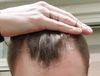
The conversation discusses hair regrowth using oral minoxidil and RU58841, with visible baby hairs appearing after two months. One user questions the choice of RU58841 over finasteride.
The conversation discusses a product called Rexagain Mixprocapil, which includes topical finasteride. Users express skepticism about the product's legitimacy and caution about its use.
The conversation discusses the effectiveness of combining Laminaria japonica and Cistanche tubulosa extracts for hair growth. It also mentions treatments like Minoxidil, finasteride, and RU58841.
The conversation discusses hair loss treatments, specifically Minoxidil, finasteride, and RU58841. The user seeks input from medical professionals and scientists on these treatments.
Exosomes, cetirizine, melatonin, latanoprost, and caffeine are discussed as potential hair loss treatments. There is skepticism about the effectiveness of exosomes, especially in topical form, but some users report positive results.
.
CumsOnYourFeet69 has been discussing a new treatment called CosmeRNA which claims to target the root cause of male pattern baldness, and is considering using it in conjunction with Minoxidil instead of Finasteride due to possible side effects. Replies have highlighted that the efficacy of this treatment is still unknown, but it could be used as an effective maintenance option if successful.
The conversation discusses organizing group buys and tracking progress for Kx-826 Pyrilutamide, a hair loss treatment. Participants express optimism about upcoming results and concerns about self-reporting bias.
Ninan50 uses 0.6 minoxidil, 0.05 finasteride, biotin, and dermarolling for hair loss. Plans to increase to 0.7 minoxidil and 0.125 finasteride, with positive progress seen.
RU58841 is discussed as a hair loss treatment, with concerns about its effectiveness diminishing after two years due to androgen receptor upregulation. The user is hesitant to start using it, fearing it may worsen their condition over time.
The user is using a hair recovery treatment with 0.5 mg dutasteride, 5 mg biotin, 5% topical minoxidil, and dermarolling twice a week. They are considering using a 1.5 mm dermaroller and red light therapy.
The conversation discusses alternatives to RU58841 for hair loss treatment, with suggestions including topical spironolactone, peppermint and rosemary oils, and saw palmetto. The user also considers ordering RU58841 from China but finds it too expensive.
Pyrilutamide, a nonsteroidal antiandrogen drug under development for the potential treatment of androgenic alopecia. The conversation discusses its binding affinity to the androgen receptor and the timeline for possible availability after trials are completed in the United States and China.
The treatment for androgenetic alopecia involves using finasteride and minoxidil with intense exercise and cold exposure to boost metabolism and reduce androgenic effects, potentially leading to hair regrowth. This approach may activate biological pathways for improved hair and overall health.
Pyrilutimide and CB-03-01, two treatments for hair loss, have similar clinical trial results despite different binding affinities to androgen receptors. Factors other than binding affinity, like the time a drug stays bound to the receptor, may influence their effectiveness.
The conversation is about a user's hair loss treatment routine, which includes RU58841 for 9 months and Dutasteride for 6 months, with other unspecified treatments considered extra. One user inquired about the source of RU58841.
The conversation discusses using gartanin from mangosteen mixed with castor oil to degrade the androgen receptor for hair loss treatment. Alternatives like setipiprant, minoxidil, and dermastamping are also mentioned, with concerns about cost and potential side effects.
A 42-year-old user shares progress on hair loss treatment using finasteride, topical minoxidil, and dermarolling. They seek advice on obtaining Minoxidil pills in Europe.
Tazarotene shows potential as a standalone treatment for hair regrowth by stimulating new hair follicle formation and promoting angiogenesis, similar to microneedling effects. It can be used topically without minoxidil, but users should start with a low concentration to avoid irritation.
The conversation is about hair loss treatments, specifically asking for updates on verteporfin research following promising results. No specific treatments were discussed in the provided text.
The conversation discusses the delay in bringing FAK inhibitors and Stanford's hydrogel to market for hair transplants, with a preference for FAK inhibitors over Verteporfin due to their superior potential in preventing scarring. The user expresses frustration over the slow progress and hopes for faster development by companies like FAKnostics.
A 16-year-old is experiencing hair loss and is using minoxidil, finasteride, and plans to add RU58841, while considering other treatments like MK-677 and microneedling. Concerns are raised about the potential impact of these treatments on puberty and development.
Significant hair regrowth was achieved using 1mg finasteride and 5% topical minoxidil over 14 months, with only initial shedding and mild scalp irritation as side effects. Consistency and early treatment are recommended for optimal results.
A user discusses switching from RU58841 to Pyrilutamide due to side effects like fatigue, brain fog, and elevated heart rate. They have used dutasteride, finasteride, and minoxidil, and are seeking safer alternatives.
The conversation discusses the cost-effectiveness of using premade RU58841 versus making it from powder for hair loss treatment. It also questions whether higher concentrations are more effective for women.
A user is considering exosome therapy from Springs Rejuvenation for hair loss after unsuccessful attempts with PRP, adipose injections, and a laser cap. They are intrigued by the therapy's potential and the clinic's guarantee of 30% improved coverage, despite concerns about FDA approval and high-pressure sales tactics.