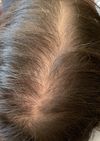
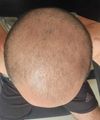
A 23-year-old male has been using topical finasteride and minoxidil for 2 years and switched to oral minoxidil in January. He is considering whether to get a hair system or a transplant.
A user is seeking recommendations for top hair transplant surgeons outside the US, focusing on hairline work and density, with a budget of $3,000 to $8,000. They prefer locations closer than Turkey due to travel constraints.
The user has been dealing with hair loss since middle school and has tried various treatments like mesotherapy, PRP, and red light therapy without success. Currently, they use minoxidil, finasteride, and dutasteride but are considering a hair transplant due to limited improvement.
A user shared their positive experience with a hair transplant at Smile Hair Clinic, using treatments like oral finasteride, minoxidil, and dutasteride. They reported no side effects, significant improvement in hair density, and satisfaction with the results.
The user regrets not using medication after a failed hair transplant and is now using a combination of minoxidil, finasteride, derma rolling, oils, and ketoconazole shampoo to try to improve hair regrowth. They are seeking feedback on progress and considering further treatment options.
The user shared a 6-month update on their hair transplant progress, noting they still use oral minoxidil and dutasteride daily. They are pleased with the results but observe increased hair shedding during showers.
The user had four DHI hair transplants from 2021 to 2025, with the last one in August, and is concerned about the lack of hair thickening despite using treatments like finasteride and minoxidil. They are seeking advice on why these efforts aren't working.
The user experienced heavy shedding 10 months after a hair transplant and used a topical solution of Minoxidil and Finasteride, later switching to Finoduta. They also dealt with a dry scalp and greasy hair, using various shampoos and conditioners, and sought advice on whether the shedding was normal and how to manage the dry scalp.
A 31-year-old man with a long history of hair care is considering a hair transplant and is worried about using Finasteride and Minoxidil due to potential side effects. He seeks advice on whether to start Finasteride before or after a transplant and how to test for sensitivity to these treatments.
The user switched from finasteride to dutasteride and experienced heavy hair shedding around six months in, affecting even transplanted hair. They are seeking others' experiences with similar shedding after switching medications.
A user regrew all their hair, including temples and bald spots, after one year of finasteride and six months of oral minoxidil. They noted finasteride helped with the crown and bald spot, while minoxidil regrew the hairline and temples.
A person shared their hair regrowth journey using HIMS topical treatments with finasteride, minoxidil, hormone replacement therapy (HRT), and microneedling. They also discussed their transition as a transgender woman and the positive impact of HRT on hair recovery.
A user is considering a hair transplant combined with dutasteride and oral minoxidil to improve results despite having a large bald area. They seek advice on whether this combination is worth trying.
OP transitioned and used Spironolactone, Estradiol Valerate, Minoxidil, and dermarolling, resulting in significant hair regrowth. They advise this method may not be suitable for cis men.
The post discusses a successful hair loss treatment involving a hair transplant, finasteride, and minoxidil. The user underwent a 2000 graft hair transplant at the hairline in a clinic in Sweden.
Young men are advised to delay hair transplants until after age 25, using finasteride, minoxidil, and dermarolling to manage hair loss. Concerns about unethical doctors highlight the need for careful planning.
The individual has experienced no hair regrowth from using minoxidil and finasteride and is considering a hair restoration clinic's options, including PRP and nano follicle hair replacement, as well as a potential beard transplant. They are seeking advice on whether to pursue PRP, timing for hair replacement surgery, and experiences with beard transplants.
A 27-year-old considering a hair transplant after going bald from 2018 to 2024. Recommendations include using finasteride and minoxidil before the transplant, with mixed opinions on their long-term use and side effects.
Hair cloning may become available in 1-2 years in Japan, but widespread availability and affordability could take 7-15 years. Current treatments like finasteride are effective but may lose effectiveness over time.
A user had a disappointing dermatologist appointment where they were denied prescriptions for Dutasteride and oral Minoxidil for hair loss and were only offered a hair transplant referral. Other users sympathized, discussed self-medication, and suggested consulting a transplant doctor for up-to-date treatments.
A 33-year-old male experienced initial hair improvement with exosomes, PRP, Regenera, oral minoxidil (2.5mg), and finasteride (1mg), but his condition worsened after stopping treatments. He is considering a hair transplant and seeks advice on its viability.
A 29-year-old shared their hair recovery progress using a liposomal topical finasteride/minoxidil solution, LLLT helmet, and vitamins, noting that transplants were only on the hairline. They highlighted the effectiveness of their regimen and addressed skepticism with photos.
User shows temple area progress after hair transplant, using DUT every other day and oral Min 2.5 daily. Another user asks about number of grafts and cost.
Some individuals experience side effects from 5AR inhibitors like finasteride and are considering hair transplants without these medications, with some opting for surgeons like Dr. Zarev. Others are exploring alternative treatments and waiting for new medications in development, while some discuss managing side effects through lifestyle changes or additional medications.
OP asked if Alfatradiol 0.1% can maintain hair after a transplant. Responses suggest using stronger treatments like finasteride or micro-dosing oral finasteride instead.
People are discussing creative ways to hide hair loss, such as using specific hairstyles and hair fibers. Some mention using medications like Minoxidil and finasteride to improve hair growth.
The user is using finasteride, minoxidil, and dutasteride for hair loss, but stopped dutasteride due to side effects. They plan to have a hair transplant in December 2024 at Vanity Hospital in Istanbul, aiming for at least 4500 grafts.
The user tried minoxidil 5% for 3 years with little improvement, then switched to a 15% minoxidil with 0.1% finasteride solution once daily and started using pyrilutamide, resulting in significant hair regrowth over time. They are considering a hair transplant but are continuing with topical treatments to maximize hair growth first.
The user discussed their hair loss treatment which includes finasteride, minoxidil, hair transplant, biotin, zinc, vitamin D pills, and Nizoral ketoconazole 1% shampoo. They mentioned they are 5 months into the treatment and expect more growth.