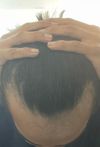
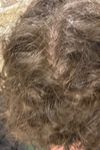
The user is experiencing potential hair regrowth after 2.5 months using 0.5 mg dutasteride and 2.5% minoxidil, with minor side effects. They plan to update their progress in 9 months.
GHK-Cu is discussed as a potential hair loss treatment, with claims of promoting hair growth and possibly reversing gray hair, though strong clinical evidence is limited. The user also mentions using Minoxidil, red light therapy, and microneedling.
Shampoos are not effective for stopping hair loss; treatments like minoxidil, finasteride, and dutasteride are more effective. Ketoconazole shampoo may help with scalp inflammation but not directly with hair loss.
A 100ml bottle of lotion containing Minoxidil 6%, Finasteride 1%, and Retinoic acid 0.01% is estimated to last around 100 days if using 0.5ml daily. The user cannot take oral finasteride due to liver issues.
Hair loss treatments like Minoxidil, finasteride, and RU58841, focusing on their effectiveness and side effects. It also highlights the disparity in medical research funding between hair loss and conditions like endometriosis.
The user shares a positive experience with Dutasteride for hair loss, noting increased hair density and minimal side effects after switching from Finasteride. They prefer oral Dutasteride and avoid Minoxidil due to its inconvenience and potential risks.
A person transitioning is using 2mg sublingual estradiol and 2.5mg oral minoxidil daily for hair regrowth, noting significant progress in three months. They plan to increase estrogen dosage and consider adding dutasteride, discussing the effects and challenges of transitioning.
Prolactin and cortisol are identified as key factors in hair loss, with stress hormones impacting hair shedding. Finasteride and minoxidil are effective treatments, while DHT's role and individual sensitivity are significant factors.
The user is using oral minoxidil, ghk-cu, and HGH for hair regrowth, noticing small vellus hairs on the crown. They avoid traditional DHT blockers like finasteride due to side effects, despite skepticism from others about the effectiveness of ghk-cu.
A 20-year-old feels defeated about hair loss and struggles with consistent minoxidil use due to ADHD. They plan to visit an endocrinologist for finasteride and consider shaving their head while continuing treatments.
People are discussing the use of the peptide GHK-Cu for hair and skin, with mixed results. Some users have tried it alongside other treatments like adenosine and melatonin, but have not seen significant improvements, and one user stopped due to cost.
A user in their early twenties shared progress after 1 year and 3 months on 1mg daily oral finasteride, reporting no side effects and improvements despite initial shedding. They emphasized the importance of early intervention and noted that results come in waves, with shedding followed by regrowth.
The user experienced significant hair regrowth using 1 mg of finasteride daily for 1.5 years, without needing minoxidil. The regrowth was surprising, especially in the hairline, and some users speculated about a possible hair transplant.
A user shared their five-year experience with finasteride for hair loss, noting positive results and no side effects. The discussion included debates on potential side effects like erectile dysfunction and the treatment's effectiveness.
A 23-year-old has been using 5% minoxidil and derma stamping for three months to address hair loss, with noticeable improvement. Users suggest adding finasteride to prevent further hair loss, as minoxidil alone doesn't address the underlying DHT issue.
Hair loss treatments include using finasteride, dutasteride, and RU58841. Lifestyle changes like increasing carb intake and moderate alcohol consumption are suggested to boost estrogen levels.
The user is considering using Ruderma to maintain hair and is concerned about potential hair loss acceleration due to starting TRT. They are also inquiring about the use of minoxidil, RU58841, and a derma roller for hair maintenance.
The user experienced significant hair loss due to health issues and has only taken vitamins for recovery. They are seeking advice on regrowth progress after two months.
A trichologist prescribed Biotrade Sebomax HR Anti-Hair Loss Tonic, Spectral DNC-N Nanoxidil, Hairfollic Him/Man Vitamins, and Bosley MD DHT blocking supplements instead of finasteride due to potential risks at age 21. The user questions the legitimacy of the treatment and considers seeking a second opinion.
The conversation is about using finasteride (Fin) for hair loss, with the original poster expressing regret for not starting it sooner due to improved hair color and strength. Users discuss their experiences with finasteride, dutasteride, and minoxidil, noting varying results and side effects.
The product claims to contain Minoxidil 5%, but the ingredients list does not explicitly mention it, raising doubts about its effectiveness. The brand states that the formula includes Minoxidil's chemical components mixed with proteins and ceramides.
Concerns about the potential systemic effects and safety of PP405 for hair loss, with discussions on its comparison to existing treatments like finasteride and minoxidil. Users express skepticism about untested research chemicals and emphasize the importance of clinical trials to ensure safety and efficacy.
Tadalafil combined with finasteride seems to improve hair condition for the original poster, who has experienced gradual improvement in hair thinning. Other users discuss the effects of tadalafil on blood flow and its potential benefits for hair growth.
Dutasteride may have fewer side effects than finasteride, with some users experiencing better hair maintenance. Experiences vary, with some preferring dutasteride for fewer side effects, while others see no significant hair improvement.
Lichen Planopilaris (LPP) is an autoimmune condition causing permanent hair loss and fibrosis, often misdiagnosed. Treatments include pioglitazone, topical corticosteroids, anti-inflammatory medication, and Jak inhibitors.
The conversation is about future hair loss treatments. Current treatments mentioned include finasteride, minoxidil, and RU58841, with potential future treatments like GT20029, TDM-105795, JW0061, and follicle cloning.
2 Deoxy D Ribose may promote hair growth and aid wound healing, potentially enhancing microneedling effects. Users discuss its combination with microneedling for better hair growth results.
A user shared their 9-month progress using finasteride, minoxidil with peppermint oil, biotin, coconut or almond oil, Nizoral shampoo, and derma stamping. They experienced significant hairline improvement despite some shedding and dry hair.
The post discusses using oral Minoxidil and Dutasteride for hair loss. Minoxidil improved hair growth with mild hypertrichosis, while Dutasteride caused severe acne, cognitive issues, and mild anxiety, leading the user to prefer Finasteride.
A user is questioning their progress after 5 months on finasteride and considering alternatives like dutasteride and minoxidil. Replies suggest that finasteride primarily maintains hair, and combining it with minoxidil might help with regrowth.