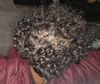
A user stopped finasteride after 15 years due to severe side effects, which improved after quitting. They maintained most of their hair and are considering alternatives like topical treatments or RU58841.
Gut microbiota significantly influences androgen metabolism, impacting hair loss treatments like finasteride. Probiotics, dietary changes, and fecal microbiota transplants may help manage DHT levels and improve hair health.
Microneedling with topical minoxidil is effective for hair regrowth, especially with finasteride. Users report fewer side effects compared to oral minoxidil.
Creatine may worsen hair loss in some, especially with androgenic alopecia, but evidence is mixed. Some users experience no hair loss when using creatine with minoxidil and finasteride, while others notice increased shedding.
An 18-year-old began using Finasteride and Topical Minoxidil for hair loss, later switching to Oral Minoxidil and Dutasteride by age 25. The conversation emphasizes early treatment, potential side effects, and differing opinions on medication effectiveness.
The user shared their positive hair regrowth experience using saw palmetto tablets, 5% minoxidil spray, and a Derma Pen. The conversation debates the effectiveness of saw palmetto versus finasteride, with some advocating for natural treatments and others emphasizing the proven results of finasteride and minoxidil, often in combination with microneedling.
DHT is important for sexual function and mood, but finasteride and dutasteride can reduce DHT, causing side effects like reduced libido and erectile dysfunction. These treatments are effective for hair loss, but their impact on DHT leads to debate.
The user is experiencing hair loss and is considering using topical minoxidil and finasteride due to concerns about liver health, specifically elevated ALT levels from fatty liver. They are advised to start with topical treatments while continuing weight loss and dietary changes to improve liver function.
Finasteride may cause elevated liver enzymes, potentially leading to liver issues, though this is rare. Users should monitor liver function and consider topical alternatives if liver sensitivity occurs.
The conversation discusses the potential connection between baldness, heart disease, and high blood pressure. Treatments mentioned include Minoxidil, Spironolactone, and Finasteride.
User experienced hair loss on the top of the head for 2 years, noticed improvement after adding a smoothie with various fruits, vegetables, and seeds to their diet. They observed increased hair growth after 2 weeks of this dietary change.
Korean scientists developed a red light therapy that reduces a hair loss marker by 92%. Users discussed the benefits and drawbacks of natural sunlight versus red light caps for hair health, with some suggesting supplements for vitamin D.
A 19-year-old male experiencing hair loss is seeking advice on managing it without sexual side effects. He has used topical minoxidil and finasteride but experienced side effects, and is considering lifestyle changes to help slow hair loss.
The user has accepted their hair loss and uses finasteride and minoxidil, with past use of RU58841 and dutasteride. They seek advice on supplements to slow down graying hair.
User experienced severe allergic reactions and liver issues after a hair transplant, likely due to antibiotics and medications. Despite trying Minoxidil, the user faced further complications and is now seeking medical advice for potential future transplants.
The conversation suggests that changing diet and lifestyle has little to no effect on male pattern baldness (MPB), which is largely determined by genetics. Some individuals noted personal improvements in hair condition with healthier diets, but the consensus is that diet alone cannot prevent or reverse MPB.
A new serum claims to enhance hair regrowth by amplifying oxygen delivery, improving the effectiveness of treatments like exosomes and peptides. Users are skeptical, questioning its efficacy compared to established treatments like Minoxidil and Finasteride.
Many users have maintained their hair using finasteride, with some also using minoxidil or dutasteride, reporting minimal side effects. Opinions vary on the necessity of DHT, with some users arguing its importance beyond puberty, while others believe it is unnecessary and that finasteride and dutasteride are safe and effective for hair maintenance.
Minoxidil and finasteride aid hair regrowth, but a healthy lifestyle, including proper nutrition and maintaining a healthy weight, enhances their effectiveness. Being underweight can impede hair regrowth, while a balanced diet and addressing deficiencies can improve outcomes.
Minoxidil is not an anti-androgen; it is a growth stimulator and does not lower DHT like finasteride or dutasteride. Minoxidil can cause side effects like facial swelling and anxiety due to its vasodilator properties.
Prolactin and cortisol are identified as key factors in hair loss, with stress hormones impacting hair shedding. Finasteride and minoxidil are effective treatments, while DHT's role and individual sensitivity are significant factors.
Hair loss treatments include using finasteride, dutasteride, and RU58841. Lifestyle changes like increasing carb intake and moderate alcohol consumption are suggested to boost estrogen levels.
A method for treating androgenic alopecia using minoxidil, antiandrogens, exercise, and cold exposure to promote hair growth. Environmental factors and lifestyle changes, like diet and exercise, can improve treatment effectiveness.
The conversation is about the debate over the existence of Post-Finasteride Syndrome (PFS) and its symptoms, with some users skeptical about PFS and others discussing side effects like erectile dysfunction and gynecomastia from hair loss treatments like finasteride. Specific treatments mentioned include finasteride, viagra, and a joke about using a popsicle stick for erectile support.
Beta-sitosterol may inhibit 5-alpha reductase type 2 enzyme, potentially reducing DHT levels and promoting hair growth, similar to finasteride but possibly with fewer side effects. Its effectiveness and side effects compared to other treatments like saw palmetto and finasteride remain uncertain due to limited research.
Hair loss discussion mentions treatments like Finasteride, Dutasteride, and Minoxidil. Users share experiences, side effects, and advice on using these treatments.
User experienced significant hair regrowth after 7 months of using 0.5mg finasteride, along with minoxidil and dermastamp. Side effects include increased sensitivity to poor lifestyle choices, but overall confidence improved.
Cialis is used to manage erectile dysfunction caused by finasteride and dutasteride, with mixed results. Some users report improvement, while others consider stopping the medication due to side effects.
Dutasteride may cause chronic infertility by reducing semen volume and motility, with concerns about irreversible prostate fibrosis. Users consider switching to finasteride or using treatments like minoxidil and microneedling, weighing hair preservation against fertility.
A 31-year-old user experienced hair regrowth and no side effects after switching from finasteride to dutasteride and using minoxidil foam daily. They reported improved hair retention and shared their treatment routine, including a prescription for dutasteride and the use of minoxidil, while humorously discussing side effects and personal experiences.