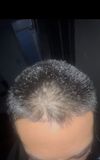
Minoxidil foam can be used with styling products, but it's best to wait before applying fibers. Switching to night application may help maintain hairstyle.
The user has been using 1.25mg oral finasteride daily and 1ml topical minoxidil twice daily for six months, along with Nioxin Ketoconazole and Nizoral shampoos, and reports no side effects and noticeable progress despite experiencing significant shedding. They are unsure if the results are genuine or if any changes to the regimen are needed.
The conversation discusses using Minoxidil with Tretinoin and Fexofenadine for hair loss. Some users doubt its effectiveness, noting Fexofenadine's unproven results for androgenetic alopecia.
The user has been using topical minoxidil, oral finasteride, and nizoral shampoo for almost three months, along with supplements like biotin and vitamin D3, and reports noticeable hair regrowth without side effects. They aim to have more hair for a wedding in June and are considering using hair fibers for temporary enhancement.
Mixing Nizoral and T-Gel in a 1:1 ratio and using it three times a week provided relief from persistent seborrheic dermatitis. This treatment is recommended for those with stubborn SD.
Finasteride helped stop hair loss progression and slightly thickened hair, but reduced beard and chest hair growth. The user also uses ketoconazole shampoo for scalp itchiness.
The conversation discusses a topical hair loss treatment containing 0.1% dutasteride, 6% minoxidil, tretinoin, and ketoconazole. The user is asking for opinions on the effectiveness of this solution.
A 24-year-old user shared their 3-month progress using a topical spray containing 0.3% finasteride and 6% minoxidil, along with dermarolling and Nizoral shampoo, reporting reduced shedding and signs of hair regrowth. They emphasized consistency in their routine and noted no side effects, expressing optimism about future results.
User taking 1mg finasteride daily for 2 years, wants to block more scalp DHT. Seeks reference for additional topical DHT blockers like alfatradiol and fluridil.
The conversation discusses androgenic alopecia (AGA) and its treatments, focusing on finasteride, minoxidil, and ketoconazole shampoo. Finasteride is recommended as essential for preventing further hair loss.
The user is taking 0.5mg finasteride and 0.5mg Loniten orally daily, using Eucapil twice weekly, and Minoxidil foam once daily for hair loss. They believe Eucapil effectively stops hair loss despite side effects like breast growth.
The conversation is about hair regrowth treatments, including ketoconazole, vitamins, fish oil, collagen, pumpkin seed oil, rosemary, and dermal rolling. Users suggest trying finasteride and intense weight training to enhance results.
The conversation discusses hair regrowth using daily 1g finasteride and topical minoxidil for 5 months, with occasional dermarolling. Users note visible progress and suggest continuing the routine.
A 33-year-old male has been using finasteride, minoxidil, ketoconazole shampoo, and recently added dutasteride, a minoxidil+tretinoin+azelaic acid solution, and derma stamping to treat hair loss for 5 months. There is confusion about the order of progress pictures, making it difficult to assess the treatment's effectiveness.
The conversation discusses using Nizoral 2% for hair loss treatment without having dandruff, with advice on allowing it to absorb for 10 minutes before rinsing and a personal experience of the product causing dry and itchy scalp.
A 23-year-old male shared his 4-month progress using a topical spray with 0.3% Finasteride, 7% Minoxidil, 2.2% Ketoconazole, and 0.2% Biotin, along with microneedling. He noticed new hair growth on his temples and experienced initial shedding, with no significant side effects after the first month.
The conversation discusses affordable hair loss treatments, including oral dutasteride, oral and topical minoxidil, oral finasteride, 2% ketoconazole shampoo, and topical finasteride/minoxidil mixtures. Users share methods to obtain these drugs cheaply and legally.
The user experienced noticeable hair regrowth in three months using finasteride, minoxidil, and weekly dermastamping, while managing scalp inflammation with clobetasol. The user also uses a sea salt shampoo and rosemary conditioner to help maintain scalp health.
A 19-year-old is experiencing worsening hair loss and severe seborrheic dermatitis despite using finasteride for six months. Nizoral (ketoconazole) is no longer effective, and they are seeking over-the-counter solutions and advice for an upcoming dermatologist visit.
Impressive hair regrowth was achieved in 4 months using 1.2mg finasteride, 3mg minoxidil, and Thick Fix shampoo. No side effects were reported, and the user encouraged others to try these treatments.
A user's journey with hair loss and their use of topical finasteride, minoxidil and pyri/minoxidil ratio treatments to attempt hair regrowth. Replies focused on offering support and advice while sharing personal experiences with different treatments.
A user shared their positive experience with finasteride for hair loss, noting improved hair thickness and some regrowth after a year of use. They also mentioned using peppermint oil, collagen, Nizoral, zinc supplements, and hair and mane shampoo and conditioner.
Treating Seborrheic Dermatitis, a fungal scalp condition which can cause hair loss. Treatments discussed include antifungal shampoos, cold showers, exfoliating the scalp, taking Vitamin D, and stimulating the prostate through the anus.
The user has been using finasteride, minoxidil, and Nizoral for hair loss but is not seeing much regrowth. Suggestions include trying oral minoxidil with dutasteride, and some users believe the hair looks better in recent pictures.
The user experienced hair loss after Covid and started using topical minoxidil, then switched to oral minoxidil, along with Nizoral shampoo, ketoconazole shampoo, clobetasol propionate, and clindamycin ointment, which significantly reduced hair loss and scalp issues. Other users suggested trying finasteride for better results.
Essential oils like lavender, peppermint, and rosemary may help with hair growth, similar to Minoxidil. Turmeric with piperin might be as effective as Finasteride without side effects.
A user with diffuse thinning, currently using finasteride, biotin, minoxidil, and nizoral shampoo, is considering a topical solution called "82M" but is skeptical due to its high cost and lack of supporting research. They seek others' experiences with "82M."
The conversation discusses switching from oral to topical treatments for hair loss, specifically using a mix of retinoic acid, finasteride, and minoxidil, after oral treatments like dutasteride and finasteride were ineffective. The user is concerned about the cost and potential impact of dandruff on the absorption of topical treatments.
The conversation is about a user's hair loss treatment regimen, which includes daily finasteride, topical minoxidil, derma rolling, and Nizoral shampoo. Opinions vary on the effectiveness of the regimen, with some users suggesting additional treatments like oral minoxidil and dutasteride, while others debate the presence of a scalp fungus and the impact of microneedling.
After 2 months of using minoxidil and finasteride twice daily, along with ketoconazole shampoo 2-3 times a week, progress in hair condition is shown. The user shares pictures to document the changes.