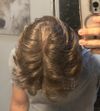
User tried Propecia and topical finasteride but experienced side effects. Switched to Dutasteride and oral Minoxidil, then added CosmeRNA for hair loss treatment.
The user is using a hair loss treatment regimen that includes applying various topical solutions and taking oral medication. They are mixing their topical treatments to save time but are concerned about the effectiveness of the treatments when combined and stored.
Hair loss treatments Finasteride, Dutasteride, Pyrilutamide, and RU58841 have different mechanisms of action. They can be used individually or stacked for better protection against hair loss.
RU58841 may help some with hair loss, but it can have side effects like heart pain. Dutasteride and finasteride can cause initial shedding, and results may take time.
A user found a successful hair loss treatment using a combination of finasteride, dutasteride, minoxidil, and RU58841. They plan to switch to a purely topical regimen with finasteride, RU58841, and minoxidil.
The user is experiencing hair thinning and shedding despite no family history of male pattern baldness. They are considering starting treatments like Minoxidil or finasteride.
A 19-year-old male plans to start finasteride due to hair thinning after using creatine. He seeks advice on finasteride's effectiveness, especially for Asians.
The conversation discusses the effectiveness and side effects of DUT mesotherapy for hair loss. Users are seeking evidence and pictures of successful treatments.
Whether using both Fluridil and Alfatradiol together could be more effective than either one alone as a hair loss treatment, given their different mechanisms of action.
Eucapil, containing fluridil, is used for hair loss but has impractical packaging. Some users find it effective for maintenance, while others suggest alternatives like anageninc with pyrilutamide.
The conversation is about hair loss treatment using topical minoxidil, finasteride, and arginine, showing noticeable progress in one month. The user suggests adding arginine serum for better results.
The conversation discusses using Actifolic tretinoin to enhance the absorption of Minoxidil for hair loss treatment. It questions the amount of tretinoin to use and whether to apply it before or after Minoxidil.
The user experienced hair regrowth using finasteride, oral and topical minoxidil, and RU58841, despite initial shedding. They also transitioned from finasteride to dutasteride and addressed scalp issues with a folliculitis shampoo.
A user who experienced significant hair growth after using finasteride and minoxidil foam for five and six months respectively, with the addition of a hair transplant.
A new hair growth spray in the UK contains finasteride 0.3%, minoxidil 5%, and tretinoin 0.01%, but some users find the finasteride concentration too high. Another brand offers a similar spray with a lower finasteride dose at a cheaper price, and some users report scalp irritation from the new spray.
The conversation discusses the potential of a new hair loss treatment, GT20029, which targets androgen receptors in the scalp and is in phase 1 trials in China. Users express hope that this treatment will be more effective than current options like Minoxidil and Finasteride.
The conversation is about someone seeking a finasteride prescription for hair loss, who later finds finasteride at a local pharmacy. Minoxidil and finasteride are mentioned as treatments.
The conversation discusses whether to try dutasteride for hair loss if finasteride had no effect. Users suggest dutasteride might be more effective as it is stronger and blocks more types of DHT.
The conversation is a satirical discussion about using grapefruit for hair regrowth, with suggestions ranging from injecting it to applying it topically or anally. Some users claim unusual benefits like emitting a green aura or jumping high.
User "logart89" claims DUT 3 times a week is better than daily FIN for hair loss. Their routine includes DUT, topical DUT, stemoxydine and alfatradiol mix, 5% minoxidil with tretinoin, and weekly derma stamping.
User suggests rotating scalp 180 degrees to address hair loss. Others discuss sanity, ethics, and similar procedures like scalp reduction and hair transplants.
The user is experimenting with a mix of topical treatments, including finasteride and minoxidil, to improve hair growth, particularly at the temples and core. They are also trying various oils, despite skepticism about their effectiveness, to see if they can enhance results without causing harm.
A user is considering using both oral and topical finasteride for hair loss, despite having elevated liver enzymes. They currently use a topical spray with finasteride and minoxidil and are seeking advice on whether using both forms is advisable.
The conversation is about a female experiencing hair loss and seeking advice on why it's difficult to regrow hair. Specific treatments like Minoxidil, finasteride, or RU58841 are not mentioned.
The user wants to mix 0.2 ml of RU58841 solution with 2 ml of Alfatradiol to use 10 mg of RU58841 daily due to concerns about side effects. They are asking if this combination would be effective for hair loss treatment.
A user experienced rapid hair loss despite taking finasteride 1mg and undergoing PRP treatment. They also take a supplement with biotin, iron, zinc, and calcium but have not seen improvement.
A 19-year-old male with a family history of balding is using finasteride to thicken his hair and is considering whether to add minoxidil. Users suggest continuing finasteride for several months before deciding on minoxidil.
RU-58841 does not dissolve well in common Minoxidil solutions due to water content, requiring a 70/30 ethanol/propylene glycol mix. Users report using separate solutions for RU-58841 and finasteride/Minoxidil for better results.
The conversation discusses adding melatonin powder to a topical finasteride solution for hair loss, with one reply suggesting that melatonin may promote faster hair growth but advising against mixing it directly into the solution due to potential instability.