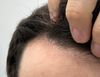
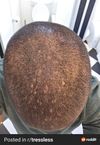
The effects of Finasteride on hair loss and its side-effects, such as aching balls. The user has been taking it for two years with no changes to the symptom.
A user on finasteride, minoxidil, dermastamp, and Nizoral is seeing baby hairs and asks if it's regrowth. Another user confirms it is regrowth and encourages them to continue.
The user noticed hair thinning since age 15, initially attributed to a Vitamin D deficiency. They are currently using Rogaine and considering Propecia but are hesitant about a scalp biopsy; they seek financially practical treatments for male-pattern baldness.
A female user with chronic anemia and vitamin deficiencies is experiencing finer, straighter hair and seeks recommendations for scalp products to improve circulation and prevent potential hair thinning. She is considering growth oils but is unsure of their effectiveness.
A 23-year-old is experiencing hair that is thick at the ends but thin at the roots despite using minoxidil and finasteride for 10 months. They are concerned about whether this is normal or a sign of miniaturization and seek advice on reversing or improving the condition.
A female experienced hair loss due to low iron and an undiagnosed thyroid issue, specifically Hashimoto's, and saw improvement after starting thyroid medication, iron supplements, and making lifestyle changes. She emphasizes the importance of addressing the root cause and shares her journey to regrowth and emotional recovery.
The user experienced significant hair loss due to health issues and is now using finasteride and minoxidil for nearly 3 months. They are hopeful about tiny hairs/dots indicating regrowth and are considering a hair transplant later in the year.
Diffuse hair loss is often linked to genetics but can also be due to health issues like thyroid problems and low vitamin or iron levels. Treatments include finasteride, minoxidil, and dutasteride, with some seeing improvements after addressing health issues.
A 26-year-old has seen hair regrowth in 4.5 months using oral finasteride, topical minoxidil, and recently RU58841 on the temples. Suggestions include adding weekly microneedling to improve results.
A 27-year-old shared progress 6 months after a hair transplant of 4500 grafts, using finasteride and minoxidil. The procedure was done at Vera Clinic in Istanbul, costing 3000 Euros, and the user is pleased with the results.
Microneedling once a week at 1mm caused bumps, possibly scars, in the treated area. The user is considering cleaning the skin before microneedling to prevent this issue.
A 22-year-old is experiencing hair loss, particularly fuzzy hair in the front, and is concerned about male pattern baldness. Treatments mentioned include Propecia (finasteride), minoxidil, PRP treatments, dermarolling, peppermint oil, and apple cider vinegar.
A 42-year-old user shared a 4-month update on their hair regrowth using a "nuclear stack" including oral and topical minoxidil, dutasteride, RU58841, micro-needling, keto shampoo, saw palmetto, biotin, multivitamins, scalp massages, and inversion table. They reported significant progress with minimal side effects and plan to continue the routine.
Botox injections may be more effective than finasteride for hair growth by reducing scalp tension. The discussion also suggests choosing FUE over FUT due to potential loss of scalp elasticity with FUT.
Minoxidil, PRP, low-level light therapy, stem cell therapy, mesotherapy, Acell, and microneedling are discussed as treatments for thickening fine hairs in NW5 hair loss sufferers. A hair transplant may be necessary for significant improvement.
The conversation discusses Fevipiprant, an asthma drug that may block CRTH2 and potentially stop male pattern baldness (MPB) without inhibiting DHT. It also mentions the use of finasteride and dutasteride for hair loss.
The user noticed small circular hairless spots after a buzz cut and has been using finasteride, dutasteride, and oral minoxidil for hair loss. They are experiencing continuous shedding and thinning, and it is suggested they consult a dermatologist for a scalp examination and possible biopsy to determine if it's alopecia areata or androgenetic alopecia.
A user shared their experience with hair loss, using finasteride and minoxidil, and eventually undergoing a hair transplant of 1800 grafts. They regret not starting finasteride earlier and mention that despite the transplant, their scalp is still visible under strong light.
Hair loss treatment using topical fin, min, saw palmetto, and occasional microneedling shows progress after 1.5 years. Microneedling frequency varies from weekly to every 4-5 weeks with 1.5mm needles.
A 7-month progress report of using finasteride and minoxidil, as well as keto dieting and derma stamping; the discussion also touched on RU58841 and its potential side effects.
The user is discussing hair regrowth after 3.5 months of using finasteride, questioning if the new growth is baby hairs. They compare photos from December to the present to assess progress.
A 30-year-old with diffuse thinning and a balding crown is using a treatment regimen of a 2-in-1 pill containing finasteride, minoxidil, and biotin, along with various supplements. After two weeks, no side effects have been experienced, and updates with pictures will be posted monthly.
A 23-year-old male is using topical minoxidil and oral finasteride for hair regrowth, noticing some progress on his temples and seeking advice on whether this indicates overall scalp improvement. Users suggest patience, as regrowth can take time, and advise against a hair transplant, noting that the current treatment seems effective.
A user's progress with their hair loss treatment, which includes finasteride and nizoral, as well as the potential for using minoxidil; other users providing advice based on their own experiences; and others discussing how buzz cuts can make diffuse thinning look worse than it is.
The user is questioning if they have gained hair after one month of microneedling, Minoxidil, and finasteride. A reply suggests their hair looks fine and they should stop worrying.
A user experienced hair regrowth after 6 months on finasteride, which is earlier than the usual 12-18 months observed by their dermatologist. The dermatologist noted this as an exceptionally good response.
Bicalutamide and spironolactone are being compared for their effectiveness and safety in treating female pattern hair loss. The conversation seeks advice on which is better to use.
The user is experiencing severe hair loss after surgery and stress, with thinning all over the head, including the sides and neck. They are unsure if it's due to DUPA or alopecia areata incognita, and doctors have not observed miniaturization.