Search
for
Sort by
Community Join
420-450 / 1000+ resultscommunity Kintor Pharma Announced Successful Dosing of the First Patient for Acne Vulgaris Phase II Clinical Trial of KX-826
Kintor Pharma successfully dosed the first patient in a Phase II trial for KX-826 for acne vulgaris. Users are more interested in results for male pattern baldness (MPB).
community 2 months progress - Topical Dual Spray (5% Minoxidil / 0.1% Finasteride) - 35 years old.
community One month in to treatment on 2.5 mg Minoxidil and 1 mg Finasteride
community M22 Shedding recovery fin 1mg min 1ml
A user shared their experience with hair loss treatment using finasteride (1mg) and minoxidil (1ml), noting significant shedding phases but hoping for improvement. Shedding is a common synchronized effect of the treatment, which may desynchronize over time, potentially taking over 5 years.
community Kintors interim report from 9-2-24 for everyone whos interested
Kintor plans to release pyrilutamide foam and a plant-based Koshine by year-end, with GT20029 progressing in their pipeline. Users are pleased about the absence of propylene glycol (PG) in the new products.
community 16 and have been on minoxidil since February 4th first pic before all rest after when will these hairs darken and thicken i added tretinoin to try to speed up 2 months ago
A 16-year-old has been using minoxidil since February and added tretinoin two months ago to speed up hair regrowth. A suggestion was made to add micro-needling weekly to enhance minoxidil's effectiveness.
community From month 1 to month 2. Min,fin,RU,micro needling, and keto.
User experienced hair regrowth using Min, Fin, RU, micro needling, and keto. Others encouraged consistency and shared excitement for future progress.
community 2 months progress on 1.25g Fin + Topical Minox + weekly Microneedling. Scalp developed dark spots thought should i be worried
The user experienced significant hair regrowth in two months using finasteride, topical minoxidil, and weekly microneedling, but developed dark spots on the scalp, possibly from irritation. They plan to try ketoconazole shampoo to address the issue and will consult a dermatologist.
community Green tea/ soy Isoflavones supplements for MPB
Green tea extract and soy isoflavones may help with hair loss by inhibiting DHT and providing additional health benefits. Combining these with finasteride and possibly using nizoral shampoo could enhance effectiveness in managing hair loss.
community 3 Months - TE/AGA Update - 5% Min, Keto shampoo and supplements
User shared progress pictures showing increased hair density after 3 months using 5% Minoxidil, Keto shampoo, and supplements. They recently started finasteride for AGA and plan to update in 3 months.
community Should I wait longer or start minoxidil? (PRP + mesotherapy + exosomes)
community new update (with pics) on dr. barghouthi verteporfin trial
A trial of verteporfin for hair regeneration, with pictures comparing the original and current status, as well as links to other resources discussing the efficacy of this treatment in combination with Minoxidil, Finasteride, and RU58841.
community Kintor Pharma Announces Successful Completion of Phase II Clinical Trial of KX-826 for Treatment of Androgenetic Alopecia in the US
Kintor Pharma announced successful Phase II trial results for KX-826 in treating hair loss, showing it's comparable to finasteride and can be used with it. Some participants saw a 10 hair/cm^2 increase, which is considered a good outcome at the low dose used.
community M25: 9-Month Hair Regrowth Journey (June ’25 → March ’26)
A 25-year-old shared their 9-month hair regrowth journey using oral minoxidil, finasteride, a topical hair serum, microneedling, and ketoconazole shampoo. They experienced significant improvement in hair density and health, emphasizing the importance of consistency in treatment.
community Kintor Pharma Announces Successful Completion of Phase II Clinical Trial of KX-826 for Treatment of Androgenetic Alopecia in the US
Kintor Pharma completed a successful Phase II clinical trial for KX-826, a treatment for androgenetic alopecia. KX-826 is similar to finasteride with minor side effects and is more backed than Cosmerna.
community 2.5 years 1mg finasteride daily
Significant hair regrowth was achieved after 2.5 years of taking 1 mg finasteride daily, without using minoxidil or microneedling. Minor side effects included a slightly thinner beard and longer time to finish during sex.
community Tried to take progress pictures for you guys. Some of the photos in the beginning were before i started treatment. Been on fin 1mg and (minoxidil 5% twice a day )for 3 months.
The conclusion of the conversation is that the combination of finasteride and minoxidil has helped the user, Shama2, achieve fast and good results in regrowing hair. They have not experienced any side effects and are consistent with their treatment.
community MPB since 16. 31 now, recovering from PFS, and getting back in the game.
User experienced hair loss since 16, used Fin, Minox, and Nizoral with success but stopped due to side effects. Now using Pur D'or shampoo, Rogaine foam, scalp massages, volumizing spray, and dermarolling for hair maintenance.
community 3 months 5g Min only before/after, 26 y/o
The user experienced significant hair regrowth after three months of using 5 mg oral minoxidil nightly and plans to add finasteride to maintain progress. Many recommend combining minoxidil with finasteride or dutasteride to prevent future hair loss.
community GT20029 & KX826 Major Updates from Kintor.
KX826 shows promise as a hair loss treatment with a 10% increase in hair count, but concerns about Kintor's marketing practices and the systemic effects of treatments like GT20029 and RU58841 remain. Users express skepticism and hope, with some preferring traditional treatments like finasteride and minoxidil.
community Kintor long term safety phase 3
Kintor's phase III trial for pyri (KX-826) showed promising safety and efficacy results, with no drug-related sexual dysfunction reported. Users discussed their experiences with pyri, Minoxidil, Dutasteride, and concerns about the validity of the study results.
community Micro needling and ptd-dbm progress
The conversation is about using micro needling and PTD-DBM for hair loss treatment. The user applies PTD-DBM drops on weekdays and performs micro needling weekly.
community Clascoterone 12 months phase 3 result out
Clascoterone is promising for hair loss, showing 24.5% improvement in satisfaction compared to placebo. Users consider it an alternative to finasteride, with concerns about absorption and side effects.
community 6 months 5% min, 3 months 0.01% fin, vitamins, capixyl serum, niacin, mn 1mm weekly, massages
The user is experiencing gradual hair growth using 5% minoxidil, 0.01% finasteride, vitamins, capixyl serum, niacin, and weekly microneedling, with plans to increase finasteride dosage. Despite some side effects, they remain optimistic about hair transplant results, focusing on the crown and temples.
community This is actual growth right? The shedding phase was brutal for me. minoxidil, 5mg per day, february-april
The conversation discusses hair regrowth using minoxidil, with suggestions for women to use spironolactone and for men to combine minoxidil with dutasteride. Users share experiences and advice on dosage and cost-saving methods.
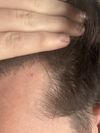
community M22 1 month topical minox/fina
The user has been using topical finasteride and minoxidil for a month to address hair thinning. They are experiencing shedding but have noticed small hairs on their temples.
community Pyrilutamide Trial Phase 3 Results?
The conversation is about the release of Phase 3 trial results for pyrilutamide in China for treating hair loss. The user is inquiring if the actual results have been posted, noting that a recent release did not contain them.