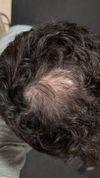
KX-826 combined with minoxidil significantly increases hair growth compared to minoxidil alone for treating male androgenetic alopecia, with no unexpected safety concerns. Users discuss various hair loss treatments, including KX-826, minoxidil, finasteride, and RU58841, sharing personal experiences and sourcing information.
A 22-year-old male with high estrogen levels is considering finasteride for hair loss but is concerned about potential side effects due to his hormone levels and family history of diabetes. Users suggest consulting a doctor, possibly an endocrinologist, and considering lifestyle changes like diet and exercise to address visceral fat and insulin resistance before starting treatment.
Verteporfin may improve hair transplant outcomes and reduce scarring, potentially allowing patients to avoid finasteride. Dr. Barghouthi seeks collaborations, volunteers, and financial support for research on verteporfin.org.
A person experienced hair regrowth after reducing testosterone levels and using saw palmetto tincture and Alpecin shampoo. Other users suggested treatments like Nizoral shampoo, Aldactone, and supplements for hair loss.
The conversation discusses the fluctuation of testosterone levels in men under 40 and the difference between serum DHT and scalp DHT. It also mentions that DHT levels are higher on Dutasteride than on Finasteride, which is unusual.
The conversation discusses using a violet ray device for hair regrowth, citing a case where zinc ion treatments showed promising results. It also mentions similar devices like the Growcombr and niostem helmet.
Hair regrowth in transfems is more effective due to hormonal changes, specifically estrogen, which keeps hair in growth phase longer. Treatments mentioned include anti-androgens, sex hormones, and DHT blockers like finasteride.
The conversation discusses hair loss treatments, focusing on vitamin D and B12 deficiencies, and mentions using finasteride. It also suggests getting a biopsy to differentiate between MPB and other conditions.
Topical Clascoterone showed a 539% improvement in hair count compared to placebo, but its effectiveness and safety are debated. Users compared it to minoxidil and finasteride, with mixed opinions on its potential release in 2026 or 2027.
Pelage executives' hairlines were discussed, with speculation about them using PP405 for hair regrowth. Concerns were raised about using untested drugs, with some suggesting executives might not risk using them without safety data.
Experimenting with the effects of creatine and finasteride on DHT levels, as well as a discussion regarding the potential link between creatine supplementation and hair loss.
The conversation is about using DIY copper peptide (GHK CU) serum for microneedling to address hair loss, with additional treatments including Nizoral for DHT reduction and red light therapy. The user is considering adding Minoxidil but is concerned due to having cats.
User tried various hair loss treatments with limited success. RU58841 was effective but caused side effects, now trying Eucapil and continuing Finasteride.
PP405 is criticized for overhyped claims and cherry-picked data, with doubts about its effectiveness compared to minoxidil and finasteride. Many users express skepticism, emphasizing the need for more comprehensive trial results.
The conversation discusses the use of topical peptides ahk-cu and ghk-cu for hair loss. One user reported that while these peptides made their hair look thicker and improved scalp health, they did not notice significant hair growth.
OP noticed an increase in DHT levels after 5 months of using finasteride and is unsure if the drug is effective or if other factors like stress or vitamins are influencing the results. Users suggest testing the medication for authenticity, consulting a doctor, and possibly trying a different brand or dosage.
Topical sodium valproate may promote hair growth by inhibiting GSK3β, allowing beta-catenin to proliferate, but it has potential side effects and requires more research. The conversation also mentions skepticism about a product called Vdphlo1, which includes sodium valproate and other ingredients.
The use of tropoelastin injections and verteporfin for hair transplant recipients to help regrow donor area hairs, as well as research done on tropoelastin injections restoring elastin in scarred heart tissue and skin. There are discussions about why it is taking so long to get cosmetic mass produced tropoelastin injectables on the market.
Astaxanthin may cause increased hair shedding, affecting even transplanted hair and eyebrows. The user has tried various treatments for androgenic alopecia, including minoxidil, finasteride, and RU58841.
The user experienced significant hair regrowth using a combination of minoxidil, finasteride, various serums, and micro-needling, leading to increased confidence and consideration of a hair transplant. Despite initial baldness due to past health issues, the user is pleased with the progress and continues to use treatments like Pilgrim, Md Hair, Bodywise Roller, and Bouf serums.
Clascoterone 5% shows promising hair growth results but is criticized for high cost and unclear effectiveness compared to other treatments like finasteride. Glenmark is testing a combination of Clascoterone 7.5% and Minoxidil 5% in India.
A person had three hair transplant surgeries using 7,600 grafts from scalp, beard, and chest, along with finasteride and minoxidil. Reactions are mixed, with suggestions for alternatives like hair systems or scalp micropigmentation.
A 25-year-old male has been using finasteride for 17 months and recently switched to dutasteride. His bloodwork shows increased luteinizing hormone levels, possibly due to increased testosterone, with no side effects and improved libido.
Dutasteride significantly improved hair health and reduced shedding for a woman with PCOS and hyperandrogenism, without causing depression or anxiety, unlike finasteride. Dutasteride also helped with PMDD symptoms and had no side effects, though it changed hair texture.
The user has been using Minoxidil, finasteride, and a dermaroller for a year with little effect on hair loss. They are considering a hair transplant and are questioning the number of grafts needed and the feasibility of transplanting onto a partially bald scalp.
Hair loss treatments, including PP405, minoxidil, finasteride, and RU58841, with hopes for future solutions. Participants discuss the emotional impact of hair loss and consider alternatives like hair transplants or acceptance.
A user had two hair transplant surgeries, using a total of 6850 grafts from the scalp, beard, and chest, costing around $20,000 USD, and is happy with the results, though the crown may not be as dense as the hairline. They experienced no scarring from the donor areas and noted that transplanted beard and chest hair are thicker and curlier.
Androgenetic alopecia is affected by scalp DHT levels, not sensitivity, with treatments like finasteride and dutasteride aiming to optimize these levels. Personalized DHT management is crucial for effective hair growth.