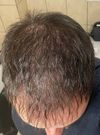
The user is considering increasing their dutasteride dose and trying clascoterone or RU58841 for hair loss stabilization. They have used finasteride, minoxidil, and dutasteride, with some success but recent setbacks.
Various hair growth treatments were discussed, including microneedling, bimatoprost, setipiprant, stemoxydine, PGE2, CB-03-01, WNT Beta-Catenin upregulators, KY19382, topical estrogen, IGF-1, GH, MK-677, oral castor oil, fisetin, resveratrol, cetrizine, and lactic acid. Users shared experiences and sources for these treatments, with some expressing interest in topical solutions and others noting the lack of FDA approval or scientific evidence for certain options.
The user has been using oral dutasteride and minoxidil for over a year without regrowth or stability, and hair loss continues. Suggestions include checking for inflammation, considering a scalp biopsy, and trying microneedling, topical anti-androgens, or a hair transplant.
Adding exosomes to a treatment of dutasteride and minoxidil for hair loss increased hair count by 55% at 6 months and 46% at 1 year compared to the control group. The control group did not receive exosomes or PRP.
A 25-year-old is using vinpocetine to enhance the absorption of topical Minoxidil for hair loss. They also use a hair tonic and supplement with Glycine, Taurine, Creatine, and Citrulline.
User is experiencing issues with Minoxidil and is considering switching to Redensyl, specifically asking for brand recommendations. The Ordinary - Multi Peptide is mentioned, but the user seeks other brand experiences.
Microneedling and tretinoin may enhance minoxidil absorption for hair loss, but evidence on their effectiveness is limited. Iron supplements and broccoli sprouts are suggested for enzyme activation, but their impact on hair is unclear.
A user shared progress on hair regrowth using 5mg oral minoxidil and 0.5mg oral dutasteride daily, noting small hair growth and no significant side effects except bushier eyebrows. The conversation includes encouragement, personal experiences with hair loss treatments, and discussions on the effectiveness of microneedling.
The conversation discusses using GHK Cu + AHK Cu peptides combined with topical dutasteride and minoxidil for hair regrowth. It mentions negative side effects of finasteride and promotes a specific copper peptide serum.
Tazarotene may be more effective than tretinoin when combined with topical minoxidil for hair loss due to its selective binding to RAR-beta and gamma, though it can cause irritation. Tazarotene's potency can lead to indirect inflammatory reactions despite potentially causing less irritation than tretinoin.
Oral minoxidil was ineffective for OP, causing hair loss and unwanted body hair, while topical minoxidil showed significant regrowth. OP is switching to topical minoxidil with glycerin due to scalp issues with propylene glycol.
A 27-year-old is experiencing significant hair loss despite using a combination of 0.5mg dutasteride daily, topical minoxidil, nizoral shampoo, and vitamin D optimization, and is now starting zinc supplementation. Suggestions include considering other causes, possibly increasing dutasteride dosage, switching to oral minoxidil, or maintaining the current regimen and reassessing in six months.
2-deoxy-D-ribose, a sugar molecule, is found to be 80%-90% as effective as Minoxidil in promoting hair growth, showing potential for alopecia treatment. Concerns include high cost, lack of human studies, and possible side effects like diarrhea and nausea.
The user has been using minoxidil 12.5% and finasteride 1mg for 7 months, experiencing significant hair regrowth. They are considering adding dutasteride and using a dermaroller for further improvement.
Minoxidil is more effective when combined with retinoic acid, such as tretinoin or tazarotene, enhancing hair growth. Some users experience significant regrowth, while others see minimal effects or side effects.
PP405 shows promise for hair follicle reactivation with minimal side effects. Users recommend continuing Minoxidil and Finasteride until more results are confirmed.
The user is using finasteride (1 mg daily), topical minoxidil, and microneedling with a derma stamp for hair loss. They reported shedding stopped and new hair growth appeared after a few months, with no side effects.
The user experienced significant hair regrowth over seven months using a combination of oral dutasteride, minoxidil, microneedling, vitamin D, biotin, zinc, and iron. They plan to continue treatments to prepare for a potential hair transplant.
The user has been using topical 5% minoxidil for six months with minimal results and is worried about greasy hair and potential side effects of adding finasteride. Others suggest combining minoxidil with finasteride for better results, while discussing potential side effects like erectile dysfunction.
Switching from minoxidil foam to topical solution and considering adding caffeine, melatonin, or cetirizine. Currently using 2.5mg oral minoxidil and 1mg oral finasteride, planning to ask for 0.5mg oral dutasteride and 5mg oral minoxidil.
A 22-year-old has been using minoxidil and finasteride for hair loss with initial success, but later experienced increased shedding and no regrowth. They recently added vitamin D3 supplements and microneedling, which reduced shedding, but are seeking advice on regrowth, with suggestions to try tretinoin with minoxidil and consider dutasteride.
User is using minoxidil with tretinoin 0.025% and experiencing peeling and burning on the scalp. They are unsure if it's effective or if they are using it too frequently.
The conversation is about hair regrowth progress using a combination of treatments: dutasteride, minoxidil, RU58841, ketoconazole, and monthly microneedling. The user reports that microneedling and topical minoxidil had the most impact on their hairline.
The conversation is about a 23-year-old who started treating their hair loss with daily oral dutasteride (0.5mg), oral minoxidil (2.5mg), topical RU58841 (80mg), and weekly microneedling at 1.5mm after seeing others' success stories. Significant improvements have been noted, and there is optimism for even better results in the next 6 months.
The user reports positive results in hair growth using daily oral finasteride (1.2mg), minoxidil (3mg), and biotin (2.5mg), along with collagen peptides, exercise, and weightlifting. Other users comment on the progress and discuss the effectiveness and side effects of these treatments.
A user's progress with hair regrowth after using a combination of Dutasteride, Finasteride, oral Minoxidil, RU58841, derma roller, topical Minoxidil, Ketoconazole shampoo and Stemoxydine for 8 months.
A 22-year-old is using dutasteride 0.5mg daily, oral minoxidil 2.5mg, biotin 5mg, and microneedling for hair loss. They also use a shampoo with saw palmetto and green coffee but are unsure of its effectiveness due to its high cost.
A 30-year-old with diffuse thinning and a balding crown is using a treatment regimen of a 2-in-1 pill containing finasteride, minoxidil, and biotin, along with various supplements. After two weeks, no side effects have been experienced, and updates with pictures will be posted monthly.