The conversation is about seeking information on GT20029 from Kintor Pharmaceutical as a potential hair loss cure and inquiring about experiences with CosmeaRNA.
The conversation discusses managing gynecomastia symptoms potentially caused by finasteride use, with treatments including reducing finasteride dosage, using DIM, ashwagandha, tamoxifen, epistane, and arimistane. Users share experiences and advice on balancing testosterone and estrogen levels to address symptoms.
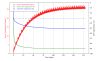
A Dutasteride Simulator predicts serum dutasteride, serum DHT, and scalp DHT levels using models from research papers. It simulates various dosing schedules to determine steady-state effects and visualizes outcomes, including hair growth-related scalp DHT suppression.
A 22-year-old female with AGA due to PCOS is using 5% minoxidil foam and 2mg finasteride daily, and is seeking advice on microneedling frequency and safety. Concerns about finasteride dosage and its effects on PCOS were discussed, with emphasis on trusting the prescribed treatment plan.
KX-826 combined with minoxidil significantly increases hair growth compared to minoxidil alone for treating male androgenetic alopecia, with no unexpected safety concerns. Users discuss various hair loss treatments, including KX-826, minoxidil, finasteride, and RU58841, sharing personal experiences and sourcing information.
The user is concerned about hair loss despite taking finasteride and has a hair transplant scheduled. They experience scalp itching and burning, which hasn't been relieved by various treatments, and another user suggests using ghk-cu & ahk-cu serum and Koshine kx-826/pyrilutamide for relief.
Silicone scalp massagers are claimed to slow or reverse hair loss and improve hair regrowth, with users reporting reduced shedding and scalp tension. Some users also mention using them alongside treatments like minoxidil and finasteride for better results.
Copper peptides, specifically GHK-Cu, are discussed as a potential addition to hair loss treatments, possibly working synergistically with Minoxidil to convert vellus hair into terminal hair. The effectiveness and credibility of copper peptides are questioned due to the lack of widespread discussion and potential conflict of interest from the product's creator.
The conversation discusses organizing group buys and tracking progress for Kx-826 Pyrilutamide, a hair loss treatment. Participants express optimism about upcoming results and concerns about self-reporting bias.
A 15% discount is offered on hair research products like RU58841 and TEMPOL at Chemyo.com. The legality of selling these compounds is confirmed by the seller.
PTD-DBM therapy for hair loss is being developed by Dr. Kang-Yell Choi, with human testing planned in South Korea. Some clinics in the U.S. offer PTD-DBM/valproic acid therapy, but it hasn't completed trials yet.
The user experienced worsening hair loss despite using dutasteride tablets and is considering switching to dutasteride gel capsules due to concerns about tablet bioavailability. Another user mentioned that countries like Japan, Korea, and India use the tablet form, suggesting the form may not be the issue.
The user is experiencing diffuse hair loss due to high testosterone levels and has tried various treatments including finasteride, minoxidil, nanoxidil, keto/caffeine shampoo, dermarolling, and RU-58841 with limited success. They are seeking advice on safely lowering testosterone levels to manage hair loss.
The user is using 2.5mg oral Minoxidil, rosemary mint oil, scalp massaging, a derma roller, multivitamins, and hair vitamins for hair regrowth. They are considering adding pumpkin seed oil, a derma pen, and saw palmetto vitamins, and are advised to consider finasteride.
Some people have low sulfotransferase enzyme levels, affecting their response to minoxidil. Lifestyle factors, genetics, and diet, like MSM intake, might influence these enzyme levels.
Bimatoprost, latanoprost, and travoprost can aid hair regrowth but are costly and less effective than minoxidil. They work best when combined with minoxidil and finasteride.
A user with Androgenetic Alopecia is seeking advice on hair growth treatments while planning for pregnancy. Current routine includes LaserCap, Nizoral Shampoo, scalp massage, The Ordinary Multi Peptide Serum, vitamin D, prenatal vitamins, and SEEN shampoo.
The user started using topical minoxidil, oral finasteride, GHK-CU, and HGH in October, resulting in thicker hair and improved overall health. They experienced minor side effects like dehydration from HGH but reported benefits like clearer skin, better recovery, and muscle gain.
The user is using finasteride and minoxidil for hair loss but is looking for new treatments. Pyrilutamide and GT20029 are potential future treatments, with Pyrilutamide expected next year and GT20029 possibly by 2027.
Excessive scalp sebum, worsened by DHT, can lead to inflammation and hair loss, with clascoterone mentioned as a treatment. Diet changes seem ineffective for scalp sebum, and treatments like minoxidil and finasteride are suggested.
The conversation discusses the uncertainty of the legitimacy of minoxidil products in the EU market and mentions baricitinib as an approved, but expensive alternative. A method to test for real minoxidil involves mixing it with bleach to see if it turns orange or brown.
Analyzing data on pyrilutamide, a potential hair loss treatment, as well as the effectiveness of other treatments such as Minoxidil, Finasteride, and RU58841.
The user reports positive results using a multi-peptide serum for hair density, combined with finasteride and melatonin, after stopping minoxidil. They experienced hair regrowth after previously losing hair despite using finasteride and minoxidil.
Dutasteride studies for hair loss are often sponsored by GlaxoSmithKline, raising concerns about potential bias. Despite this, some users report positive results with dutasteride and oral minoxidil, while others remain skeptical of industry-funded research.
The user noticed new hair growth after using topical minoxidil and undergoing 2 GFC sessions, along with using caffeine shampoo. They plan to start using topical finasteride and minoxidil and are inquiring if shampooing is necessary before application.
The user got blood work to check hormone levels before starting Finasteride for hair loss and is seeking advice on interpreting the results. They are considering hormone levels in relation to potential side effects of Finasteride.
Minoxidil foam absorption concerns, with suggestions to use gloves or apply directly to the scalp to ensure proper absorption. Some users recommend using a scalp massager or switching to liquid minoxidil for better application.
The conversation discusses updates on hair loss treatments, specifically GT20029, PP405, and a rumored injectable peptide from UT. GT20029 is seen as a promising treatment expected within 5-7 years.