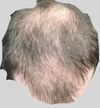
A user is considering switching from finasteride to dutasteride due to unsatisfactory results and is concerned about experiencing another shedding phase. Another user recently made the switch and will update on their experience.
The Derma Harmony Sulfur/Salicylic acid soap bar shampoo caused significant hair shedding, oily scalp, and cystic acne. The user experienced better results with rosemary shampoo.
The user discusses using essential oils like peppermint, rosemary, tea tree, and lavender to improve hair thickness and seborrheic dermatitis. They plan to add RU58841 to their routine and seek advice on using it alongside the essential oils without interference.
The user is experiencing hair loss, possibly due to androgenetic alopecia and seborrheic dermatitis, and has tried ketoconazole shampoo without success. They are hesitant to use finasteride due to potential side effects and are seeking advice on managing their condition.
How diffuse unpatterned alopecia (DUPA) is not an invitation to self-diagnose oneself with aggressive AGA and that seeking a specialized dermatologist may help people experiencing hair loss. Treatment options discussed include topical clobetasol propionate, oral minoxidil, and discontinuing finasteride.
The conversation discusses skepticism about the effectiveness and formulation of a $10 RU58841 gel from a Korean brand, questioning if ethanol is used to hold the active compounds. Concerns are raised about the feasibility of selling it at such a low price.
An 18-year-old male with hair loss is considering starting finasteride but is concerned about potential side effects like gynecomastia due to his prolactin levels. He seeks guidance on whether his bloodwork indicates it's safe to begin treatment.
A user is considering tapering off finasteride due to concerns about long-term side effects and cost, and is exploring alternatives like zinc and saw palmetto. Their current regimen includes finasteride, Adderall, zinc, bupropion, fish oil, baby aspirin, Rogaine foam, and ketoconazole shampoo.
The user is treating androgenetic alopecia with finasteride and discovered a folic acid deficiency. They are asking if curing the deficiency can worsen or improve their hair condition.
The user is experiencing headaches and dizziness two weeks after starting finasteride at 1.25mg, concerned about potential brain fog affecting math studies. They mention hearing that headaches can be normal after starting finasteride.
User is using Finasteride, oral Minoxidil, Microneedling, Dutasteride, KX-826, and topical Minoxidil for hair regrowth. Experiencing heartburn from oral Minoxidil, others suggest stopping it and continuing with other treatments.
A user is treating hair loss with Dutasteride, Minoxidil, RU58841, Derminator 2, Vitamin D, Biotin, and Zinc. After 6 months, there's no significant visual improvement, but the user feels less insecure about Retrograde Alopecia.
Hair loss treatments like finasteride, dutasteride, minoxidil, and RU58841. Users discuss "DHT itch" at receding hairlines and suggest using dutasteride or ketoconazole shampoo for relief.
Parasites in the gut may contribute to hair loss by depleting essential nutrients and disrupting hormone balance. An imbalance of hormones, not just DHT, could be a factor in androgenic alopecia.
A user is quitting ketoconazole shampoo, believing it worsened their hair condition, and plans to use clarifying, keratin, and pH balanced moisturizing shampoos instead. Another user suggests using conditioner after ketoconazole to prevent dryness.
The user is using topical minoxidil twice daily for hair regrowth and is hesitant to use finasteride due to concerns about hormonal effects. The conversation includes mixed opinions on the effectiveness of the treatment and suggestions to use a DHT blocker for better results.
A 58-year-old uses finasteride for hair loss and has tried various shampoos, finding Equate T-gel effective for controlling itching. Nizoral was previously effective but no longer works, and DermaKB hasn't been used long enough to assess its effectiveness.
A user received brand name Avodart instead of generic dutasteride for a lower price. Another user mentioned experiencing depression as a side effect but prefers having hair.
The conversation is about a user considering Dr. Groot shampoo for hair loss while already using oral minoxidil, finasteride (transitioning to dutasteride), and birth control. The user is curious about the potential benefits of caffeine in the shampoo for pattern baldness.
The conversation discusses using a 0.1% topical finasteride solution twice daily after experiencing brain fog from oral finasteride. A user suggests trying the solution once daily for a few months if concerned.
Finasteride can affect hormone levels, potentially causing symptoms like puffy nipples and testicular pain, and may result in elevated prolactin and high testosterone. The user is seeking interpretation of these changes after taking finasteride.
Oral minoxidil may cause heart palpitations, especially in those sensitive to caffeine. It's advised to consult a doctor and consider starting at a low dose or using topical minoxidil.
Oral minoxidil is causing significant blood pressure fluctuations and increased heart rate, leading the user to consider switching to topical minoxidil and tretinoin. The user plans to consult a cardiologist and is likely to stop using oral minoxidil.
The user is concerned about high DHT levels despite using finasteride and dutasteride for hair loss, suggesting these treatments may not be effective. They plan to consult an endocrinologist and consider other antiandrogens, acknowledging potential side effects.
Finasteride is recommended for hair loss treatment, with potential side effects like erectile issues in 1 in 33 users, which typically resolve after stopping the drug. Users report mixed experiences, with some experiencing initial side effects like brain fog and others seeing no issues, and the drug is generally considered effective for maintaining or regrowing hair.