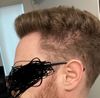
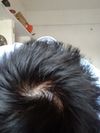
The user reported worsening hair loss after 1.5 years on finasteride, questioning if chronic iron deficiency could be a cause. They noted no side effects from finasteride.
Akinfenrawr experienced negative side effects from oral finasteride and RU58841, and is seeking alternative hair loss treatments. They discuss various options, including raloxifene, oral dutasteride, liposomal finasteride, Breezula, Pyrilutamide, SM04554, and sulforaphane, but have concerns about efficacy, availability, and cost.
Non-steroidal ways to reduce scalp inflammation include using topical melatonin, urea shampoo, Zyrtec, turmeric with black pepper, omega-3 supplements, a self-made topical solution with cetirizine, melatonin, and piroctone olamine, ketoconazole shampoo, witch hazel shampoo, tacrolimus, and lifestyle changes like a healthy diet and regular exercise. Some users also mentioned unconventional methods like infrared light therapy and a carnivore diet.
A user has been taking finasteride for 5 months with no improvement in diffuse hair loss and suspects high levels of prolactin, cortisol, progesterone, and DHEAS, as well as iron, might be contributing to the issue. They are also taking vitamin D to address a deficiency.
The conversation discusses hair loss treatments for a woman experiencing androgenetic alopecia and seborrheic dermatitis, with suggestions including low-dose oral minoxidil, dutasteride, and hormone replacement therapy. The user is seeking advice due to intolerance to spironolactone and topical minoxidil, and concerns about low testosterone and DHT levels.
The user experienced hair loss issues after switching from finasteride to dutasteride and back, with stress and seborrheic dermatitis affecting hair quality. They plan to continue finasteride, treat seborrheic dermatitis, and monitor nutrient levels, considering low-dose oral minoxidil if safe.
The user "OP" reported significant hair regrowth using oral finasteride, oral and topical minoxidil, ketoconazole shampoo, and derma stamping. OP experienced initial shedding but no other side effects.
A 23-year-old experiencing severe diffuse thinning after scalp inflammation is considering finasteride as a last resort after stopping minoxidil and using anti-inflammatory medication. Users suggest that inflammation causes temporary shedding and recommend consulting a dermatologist, with some advocating for finasteride as a reliable treatment option.
The user has been taking finasteride for nearly two months and has noticed an increased urge to urinate with slight discomfort. They are questioning if this side effect is temporary.
The user experienced side effects like shallow breathing, loss of libido, and erectile issues after using topical finasteride with minoxidil for hair loss. They are considering whether to continue the treatment despite these side effects.
The user is experiencing hair loss, possibly due to androgenic alopecia or telogen effluvium, and is considering treatments like Minoxidil, Finasteride, or RU58841. They also mention potential iron deficiency and sleep deprivation as contributing factors.
The conversation discusses concerns that Anagenic's version of GT20029 might not be as effective or safe as Kintor's, with comparisons to issues faced by pyrilutamide. The chemical structure of the drug has been published.
A user took 1.5 mg Finasteride and topical Minoxidil for 11 months, resulting in significant changes in blood values but no noticeable hair improvement. They experienced side effects like mood swings and increased visceral fat, leading them to stop Finasteride.
A user is experiencing hair regrowth after treating vitamin D, B12, and B9 deficiencies, noticing some improvement after 9 months. They are unsure if further improvement will occur or if they have reached the end of progress, with a possibility of androgenetic alopecia (AGA) being suggested.
The user is experiencing sleep issues after starting finasteride for hair loss and is considering using magnesium or melatonin to improve sleep. Other users suggest that sleep disturbances are a common side effect initially, but may improve over time.
The user is experiencing hair loss despite using dutasteride, minoxidil, and ketoconazole shampoo, and is concerned about continued shedding. Suggestions include checking for nutrient deficiencies, consulting a dermatologist, and considering other potential causes like seborrheic dermatitis or telogen effluvium.
The user experienced side effects from using finasteride, both topically and orally, alongside minoxidil for hair loss. They reported increased hair shedding and are feeling distressed about their receding hairline.
The user is managing hair loss with oral finasteride, recently switching to dutasteride, and topical minoxidil, but faces challenges due to seborrheic dermatitis. They seek advice on effective regrowth methods that don't worsen their condition, with suggestions including various shampoos like Vichy Dercos and ketoconazole.
The user experienced severe side effects from finasteride, including anxiety and libido issues, and is currently using topical minoxidil and microneedling. They are considering trying dutasteride but are concerned about potential side effects.
The user has been taking oral minoxidil, dutasteride, and biotin for 3 months and noticed changes in hair texture, suggesting potential regrowth or stabilization. Baby hairs and increased hair density are seen as positive signs.
Concerns about using 0.3% topical finasteride due to potential side effects like decreased libido and gynecomastia. Suggestions include using less than 1ml or considering 1mg oral finasteride.
The user is frustrated with the lack of visible hair regrowth after 7-8 months of using finasteride and minoxidil, despite initial vellus hair growth. Others suggest patience, switching to oral minoxidil, or using additional treatments like dermastamping, microneedling, and red light therapy.
A 25-year-old with AGA experienced hair thinning and dandruff, stabilized with topical finasteride and minoxidil but saw minimal regrowth. They seek advice on styling and consider oral minoxidil and microneedling for denser hair.
Increased scalp itching during shedding phases while on finasteride treatment may coincide with hair regrowth and recovery. This suggests that itching might not always indicate continued hair loss and could encourage persistence with the treatment.
The user has been experiencing diffuse hair thinning despite using finasteride, minoxidil, dermarolling, clobetasol cream, and PRP sessions. They seek advice on additional treatments and are advised to check vitamin D, iron, and thyroid levels.
The user is experiencing an itchy scalp and acne while using oral dutasteride and minoxidil for hair loss. They are considering stopping minoxidil to see if symptoms improve and possibly switching to finasteride if needed.
The user experienced side effects from finasteride and found improved mood and performance with DHT, but it worsened hair loss. They are considering options like TRT, HCG, and topical treatments like Saw Palmetto, but struggle with balancing hair preservation and functionality.
The user experienced hair loss since 2019 and tried finasteride, dutasteride, RU58841, and ketoconazole shampoo without success. A scalp biopsy showed scarring and inflammation from folliculitis, indicating chronic inflammation was affecting treatment effectiveness.