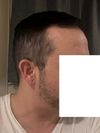
The user is pleased with their hair transplant results after six months and seeks feedback. The conversation is positive, with others affirming the success of the procedure.
TE (telogen effluvium) is often misunderstood and is triggered by severe stress or trauma, not minor daily inconveniences. Most hair loss cases are due to male pattern baldness (AGA), and treatments like Minoxidil and finasteride can help.
The conversation discusses GT20029, a drug in Phase II trials that targets androgen receptors with minimal systemic effects, and TDM-105795, a growth stimulant with a different mechanism than minoxidil that may revive papilla stem cells. Both are potential new treatments for hair loss.
The conversation discusses the approval of Kintor Pharmaceutical's AR-PROTAC (GT20029) for clinical trials in China for acne and androgenic alopecia. One user expresses optimism about new treatments being developed and seeks clarification on how the new drug works, specifically if it temporarily degrades the AR protein to reduce DHT sensitivity in hair follicles.
Mixing Nizoral and T-Gel in a 1:1 ratio and using it three times a week provided relief from persistent seborrheic dermatitis. This treatment is recommended for those with stubborn SD.
PP405 is a topical gel being tested for hair regrowth in adults with androgenetic alopecia. Volunteers aged 18-55 are needed for a 16-week trial in several US locations.
Orient Bio is developing a PLGA formulated version of Cyclosporine A to stimulate hair growth without its immunosuppressant effects. Users discuss various treatments like Clascoterone, PP405, minoxidil, and tacrolimus, expressing hope for new developments and sharing personal experiences with these treatments.
The conversation discusses the potential of GT20029 to stop hair loss and possibly regrow hair, considering the body's regenerative abilities. No specific treatments were mentioned due to the original post being removed.
OP is experiencing significant hair loss despite GFC and PRP treatments and has abnormal lab results. They are advised to consult a hair-focused dermatologist for further evaluation.
The user has been using finasteride and minoxidil for almost 2 years with maintenance but no significant regrowth. After adding tretinoin 2 weeks ago, they experienced increased shedding and are seeking advice on whether this is a positive sign.
IGFBP‐rP1 shows potential for treating androgenic alopecia by influencing hair cycle transitions. Increasing IGF-1 levels may have similar effects to Minoxidil and 5-AR inhibitors in reducing hair loss.
Hair follicle regenerative therapy is being developed, with clinical trials planned in Japan, potentially allowing for hair cloning and eliminating the need for treatments like finasteride. If successful, the treatment could be available in Japan by 2025, but widespread access and affordability may take longer.
PTD-DBM therapy for hair loss is being developed by Dr. Kang-Yell Choi, with human testing planned in South Korea. Some clinics in the U.S. offer PTD-DBM/valproic acid therapy, but it hasn't completed trials yet.
GT20029 and pyrilutamide are both androgen antagonists but work differently; GT20029 degrades the androgen receptor, while pyrilutamide blocks DHT from binding. GT20029 is expected to have similar efficacy to CosmeRNA.
The conversation discusses hair loss treatments, specifically mentioning Minoxidil, finasteride, RU58841, and TB-500 Thymosin Beta-4. It critiques the credibility of biohacking claims.
Peptides like GHK-Cu, BPC-157, and TB-500 have significantly reduced hair loss, with GHK-Cu being particularly effective. The discussion also covers the high cost of these peptides and explores more affordable purchasing options.
GT20029 and KX826 are promising hair loss treatments, with GT20029 increasing hair count and KX826 showing significant results. KX826 may be a good alternative for those who can't use finasteride or dutasteride, though results vary.
OP noticed fuller and thicker hair after almost 4 months of using GHK-Cu, a copper-binding peptide, through subcutaneous injections. Some users were skeptical, questioning the authenticity and potential commercial intent behind the post.
The conversation discusses potential hair loss treatments focusing on stimulating IGF-1 at the follicle level using growth-factor cocktails and engineered peptides, such as Acetyl Tetrapeptide-3, Copper Tripeptide-1, Oligopeptide-20, Thymosin-β4, and Palmitoyl Tetrapeptide-7. It suggests that device-assisted delivery methods like microneedling may enhance effectiveness.
The user is using a hair loss regimen involving 2ddr applied twice daily, tretinoin weekly, and occasionally micro-needling. They report feeling increased scalp thickness and seeing some hair growth progress.
A user shared their experience with a second hair transplant by Dr. Gokhan Gur, focusing on the midscalp and crown with 1849 grafts. Their current treatment includes dutasteride, finasteride, oral and topical minoxidil, and Nizoral shampoo.
A 27-year-old male with diffuse hair loss, including the donor area, did not respond to finasteride, dutasteride, or minoxidil. He suspects his hair loss may be linked to a mild connective tissue disorder, possibly affecting the structural support of hair follicles, rather than being purely hormonal.
GT20029 and PP405 are discussed as potential alternatives or complements to finasteride for hair loss treatment. GT20029 is entering phase 3 trials, while PP405 is seen as promising for regrowing hair and possibly eliminating the need for other treatments.
The conversation discusses using tretinoin for hair loss and whether applying SPF on the scalp is necessary if hair covers the treated areas. The user is considering this treatment despite having no completely bald patches.
How diffuse unpatterned alopecia (DUPA) is not an invitation to self-diagnose oneself with aggressive AGA and that seeking a specialized dermatologist may help people experiencing hair loss. Treatment options discussed include topical clobetasol propionate, oral minoxidil, and discontinuing finasteride.
A user experienced significant swelling after a hair and beard transplant, possibly due to an allergic reaction or improper post-surgery care. Despite dissatisfaction with the clinic's handling of grafts and customer service, the user appreciates the clinic's skill in achieving natural hairline density.