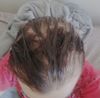
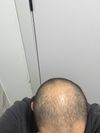
Using finasteride and peptides, including GHK-Cu, improved hair thickness and regrowth. The user also used a KLOW blend and CJC/IPA for better sleep and recovery.
The user experienced significant hair regrowth using 0.5mg dutasteride and 5mg oral minoxidil, with fewer side effects compared to finasteride. They noticed improvements in hair thickness and hairline, despite intermittent use of performance-enhancing substances.
The conversation is about a user's hair loss treatment regimen, which includes Dutasteride, oral Minoxidil, topical Dutasteride, Minoxidil sulfate, antioxidants, and various supplements. The user is also using a derma stamp and has paused Tretinoin due to a TCA peel recovery.
A user took finasteride for six months, then switched to dutasteride for a year, increasing the dosage over time, but hair shedding worsened. Replies suggest the issue is male pattern baldness and DHT-related.
User noticed new baby hairs on temples after 1.5 months of minoxidil and 1 month of finasteride. They use a topical combo, derma stamp, rosemary oil, scalp massages, and keto shampoo.
The user has been using finasteride for six months to address hair loss and is considering adding minoxidil to improve hair thickness. They are also using microneedling, peppermint oil, saw palmetto, biotin, and vitamin D supplements.
The user has been using dutasteride for 8 months and added oral minoxidil 1.25mg for 4 months, seeing improved hair density despite minor shedding. They are considering increasing the minoxidil dose to 2.5mg due to concerns about side effects.
Someone's two-month progress using oral minoxidil (2.5mg ED) to treat hair loss, which has resulted in thicker eyebrows and eyelashes but no scalp changes or shedding.
Oral minoxidil is causing body hair growth but not improving scalp hair, despite using dutasteride and finasteride. Users suggest waiting longer for results, checking vitamin levels, and considering additional treatments like topical minoxidil, dermarolling, and supplements.
Dutasteride caused persistent hair shedding and no improvement for 18 months, leading to a switch back to finasteride. The user also uses oral minoxidil and plans to focus on better scalp health.
DLQ01, a prostaglandin F2α analog, shows promise for hair growth by directly stimulating PGE2/PGF receptors without needing conversion, and can be combined with minoxidil and retinoids like tretinoin for enhanced effectiveness. Minoxidil's efficacy may be reduced by COX-1 inhibitors, but using prostaglandin analogs like Latanoprost or Bimatoprost can help maintain its effectiveness.
A humorous discussion about forming a "religion" around dutasteride for hair loss treatment, with members jokingly pledging allegiance and sharing experiences. Some users mention switching from finasteride to dutasteride, noting differences in side effects and effectiveness.
A user, almost 50, has been using finasteride for 30 years and recently added oral dutasteride to address hair recession. They are now trying a new treatment stack including Minoxidil, Dutasteride, Melatonin, Rosemary oil, and Bimatoprost, along with derma stamping and Ketoconazole shampoo.
A user shared their progress in combating hair loss using dutasteride, topical minoxidil, and keto shampoo, expressing increased confidence and happiness with the results. They received feedback to provide clearer photos to better showcase their hair improvement.
Scalp micropigmentation (SMP) is a debated hair loss solution, with some praising its natural look and low maintenance, while others criticize it for looking unnatural and being a temporary fix. Many prefer traditional hair restoration methods like hair transplants or medications such as finasteride and minoxidil.
The user shared their 5-year hair regrowth journey using oral finasteride, oral dutasteride, topical and oral minoxidil, and a hair transplant. They experienced significant hair improvement without major side effects, although RU58841 was not effective for them.
The user experienced significant hair thickening after nearly 5 months on 5 mg oral minoxidil and over 10 years on 1 mg finasteride, with no side effects. They are considering a hair transplant for the hairline but are pleased with the current results.
The user is experiencing hair loss and has been using treatments like minoxidil, finasteride, and ciclopirox olamine. Despite these treatments, they are concerned about increased shedding, dandruff, and possible additional hair loss conditions.
The user shared progress pictures after using finasteride, minoxidil, and ketoconazole for a year, then switching to dutasteride two months ago. Commenters noted significant improvement in appearance and appreciated the watermark for image protection.
The user experienced significant hair improvement using 1mg finasteride and 2.5mg oral minoxidil daily, with most gains attributed to finasteride. They also stopped using topical treatments due to scalp psoriasis and reported no major side effects.
Hair loss treatment with latanoprost, minoxidil, and biotin showed progress. Latanoprost, a glaucoma drug, stimulates anagen phase and increases conversion of vellus hair to terminal hair.
The user has been using finasteride, minoxidil, and a dermastamp for over four months and is asking if there is noticeable hair regrowth. They are seeking opinions on whether their hair will look good when grown out.
The user has been using Roman 3-in-1 topical treatment (finasteride 0.3%, minoxidil 6%, tretinoin 0.025%) and a 0.25 mm dermaroller for four months to address crown thinning. They are seeking advice on whether to continue with the current regimen, switch to oral finasteride, or try dutasteride for better results.
KX826 shows promise as a hair loss treatment with a 10% increase in hair count, but concerns about Kintor's marketing practices and the systemic effects of treatments like GT20029 and RU58841 remain. Users express skepticism and hope, with some preferring traditional treatments like finasteride and minoxidil.
The user is seeking an alternative solvent for pyrilutamide due to skin irritation from ethanol and propylene glycol. They experienced similar issues with topical minoxidil.
Treatments for hair loss, specifically the use of minoxidil, finasteride and RU58841. Replies to this post suggest that users should share relevant information publicly rather than through direct messages.
The conversation is about a user's hair loss treatment progress using a routine of Avodart (Dutasteride), oral and topical Minoxidil, Ketoconazole shampoo, and microneedling. The user reports no side effects and shows improvement after resuming consistent treatment.
The user is experiencing progress in hair regrowth using 1 mg finasteride and 5 mg minoxidil, with no side effects reported. There is a discussion about whether to switch from finasteride to dutasteride, but many advise against it since finasteride is showing good results.