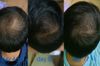
A user shared progress pictures showing improvement from NW 6 to NW 2 after four months of treatment. They are considering using exosomes to further reverse hair miniaturization.
The conversation is about the proper frequency and needle length for microneedling to treat hair loss, with a user asking if they should use a 0.5 mm derma stamp daily and a 1.5 mm stamp once a week.
A 25-year-old woman has been losing hair for 10 years despite normal thyroid, hormone levels, and B12 supplementation. She has used Minoxidil with limited success and is considering hair transplants, Propecia, or shaving her head and wearing wigs.
The conversation discusses potential hair loss treatments focusing on stimulating IGF-1 at the follicle level using growth-factor cocktails and engineered peptides, such as Acetyl Tetrapeptide-3, Copper Tripeptide-1, Oligopeptide-20, Thymosin-β4, and Palmitoyl Tetrapeptide-7. It suggests that device-assisted delivery methods like microneedling may enhance effectiveness.
A user shared their 4-month progress using 0.25 mg finasteride daily for hair loss, reporting significant improvement and minimal side effects. Other users discussed their experiences with different dosages and side effects.
OP used 1mg finasteride for 4 years, then had a hair transplant, and for the past 6 months has been using 0.5mg dutasteride and 2.5mg oral minoxidil twice daily. The treatments resulted in significant hair density and thickness improvement.
A 25-year-old experiencing genetic hair loss used minoxidil, biotin, and cystine but stopped due to routine fatigue, leading to worsened hair loss and unwanted body hair growth. They are hesitant about finasteride due to potential side effects and are seeking advice on effective treatments.
User made progress with hair loss using Fin, Min, and microneedling. Experienced side effects like improved skin, brain fog, and memory issues, but adjusting Fin dosage helped.
The user is using a combination of oral finasteride, oral and topical minoxidil, multivitamins, and a derma stamp for hair regrowth. They also use Garnier Fructis Grow Strong Thickening Shampoo and exercise regularly to support hair health.
A 25-year-old male with seborrheic dermatitis and hair thinning seeks advice on the severity of his condition and treatment options. Oral finasteride and oral minoxidil are recommended as the most effective long-term treatments.
The user shared their successful hair regrowth journey using a combination of oral Dutasteride and a topical mix of Finasteride, Minoxidil, Tretinoin, and Ketoconazole. They experienced no side effects and noted significant improvement, except for one persistent thinning area.
A user is exploring personalized topical formulations for hair loss from Roots By Genetics Art, specifically interested in the GA-5 Power Restore formulation containing dutasteride, minoxidil, and other ingredients. They seek opinions on the effectiveness and value of these products.
A user started taking 0.25mg of finasteride every other day to prevent hair loss and documented their experience. Initially, they felt anxious and had headaches, but by the second week, they felt normal with no side effects or changes in hair.
A 25-year-old shared his 4-month progress using oral minoxidil, oral finasteride, a 1mm dermastamp, Nizoral, and upgraded shampoo and conditioner. He feels he sees some regrowth, though some commenters attribute the change to a different hairstyle.
The user shared their 2 1/2 years of progress treating hair loss with finasteride, minoxidil, and dermarolling, noting a slight improvement from RU58841 and a recent addition of oral minoxidil. They varied their finasteride dosage, used both topical and oral minoxidil, and saw better results with short hair, hoping for further improvement.
Using a low dose of topical Tamoxifen effectively reduces gynecomastia caused by finasteride, with minimal side effects. The solution involves mixing Tamoxifen with ethanol and propylene glycol, applied daily to the chest.
A user shared 5 months of progress using 1mg finasteride and 2.5mg minoxidil, showing before and after pictures. Other users complimented the results and discussed their own experiences with similar treatments.
The user is hesitant to start Fin and Min due to their long-term commitment and is currently on a 2-month supplement course. Another user suggests that the supplements are ineffective and recommends using Fin and Min for androgenetic alopecia.
The user experienced anxiety and a rapid heartbeat after restarting finasteride at 0.25-0.3 mg, considering whether to continue or stop. They also use minoxidil but did not have these side effects with minoxidil alone.
A 25-year-old user shared their positive experience with hair regrowth after 3 months on 1.2mg finasteride, 3mg minoxidil, and 2.5mg biotin, with no side effects. Other users discussed their experiences with similar treatments, including Hims chewables, and shared optimism about the results.
The user is experiencing continued hair loss despite using minoxidil, finasteride, tretinoin, and microneedling. They are considering a hair transplant due to lack of response to current treatments.
The conversation discusses GT20029, a compound by Kintor Pharma that degrades androgen receptors and is in trials, with potential as a hair loss cure. Another promising treatment mentioned is an antibody that blocks prolactin and has shown positive results in macaques.
Microneedling at .25 depth may not be as effective as other depths for hair loss treatment. Minoxidil and tretinoin are used, but DHT blockers are also recommended for better results.
The user used finasteride but stopped due to side effects, then used topical minoxidil for 13 months, and later added KX826/pyrilutamide for 8 months. They experienced shedding after starting pyrilutamide and use minoxidil and KX826 once daily.
A user discusses using a mix of 10% CBD oil and emu oil for hair regrowth, seeking help to apply 3-4 mg daily. They mention needing 0.5-1ml to cover their buzzed scalp.