A user shared their hair regrowth journey from age 21 to 25 using finasteride and a carnivore diet. Other users debated the effectiveness of diet changes versus genetic factors in hair loss.
An 18-year-old has been using minoxidil and finasteride for hair loss since age 15, recently adding dutasteride and GHK-Cu, but sees no significant improvement and is considering a hair transplant. Concerns are raised about using hormone suppressors at a young age, with suggestions to explore other treatments like dermarolling, diet changes, and checking for deficiencies.
Hair loss matters, but focusing on self-improvement like working out, using treatments like minoxidil and finasteride, and building confidence can help. People often suggest extreme solutions like becoming a millionaire or bodybuilder, but practical steps are more beneficial.
A 21-year-old from Germany is experiencing a receding hairline and is considering treatments like Finasteride and Minoxidil. They are unsure whether to consult a general practitioner or dermatologist and are concerned about being taken seriously due to their age.
A user shared progress pictures after 3 years on finasteride, showing improved hair thickness and density, and mentioned losing 15kg. The user plans to fix their hairline next month and received mixed feedback on their hairstyle and the effectiveness of finasteride.
The conversation is about transitioning from topical to oral Minoxidil for hair loss treatment, with additional use of Finasteride and Dutasteride. The user reports no side effects from oral Minoxidil and hopes for better results despite experiencing shedding during treatment changes.
A user is concerned about taking 1mg/day of finasteride due to potential gynecomastia, given their blood results. They seek advice on how their hormone levels might be affected by blocking DHT.
Hair loss impacts mental health and should be covered by healthcare, with treatments like finasteride, dutasteride, and minoxidil being affordable and effective. Some argue hair loss is cosmetic and shouldn't be funded, while others highlight its broader health implications.
A 30-year-old male with androgenic alopecia started using topical Minoxidil in 2018, Finasteride in 2020, and switched to oral Minoxidil and Dutasteride after Finasteride stopped working. He underwent hair transplants in 2022 and 2025, showing significant improvement in recent photos.
The conversation discusses androgen receptor degraders for hair loss, highlighting their potential advantages over traditional AR blockers like RU58841 and pyrilutamide. Concerns about the safety and cost of these treatments are also mentioned.
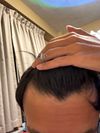
An 18-year-old with early hair loss is advised to consider minoxidil and finasteride, with a doctor's consultation recommended. Alternatives like a hair system or shaving are suggested due to potential medication side effects and lifelong commitment.
A 21-year-old male who has been suffering from hair loss since he was 17, and has made great progress with a combination of minoxidil and finasteride topical solutions. They discussed the efficacy of microneedling for sensitive scalps as well.
The user started using finasteride (0.5mg daily) and oral minoxidil (2.5mg daily) at 18, leading to healthier, thicker hair and reduced anxiety about hair loss. They experienced no negative side effects and plan to continue the treatment.
The user is considering switching from topical Minoxidil to oral Minoxidil due to concerns about maintaining a topical routine. They have already started finasteride and are trying to prevent further hair loss progression.
The effects of hair loss on mental health, treatments such as finasteride, minoxidil, RU58841 and microneedling red light therapy, and the realization that while treating hair loss can be beneficial, it does not solve all underlying insecurities.
Barcelona goalkeeper Ter Stegen's hair growth regimen, which is believed to include a transplant and other treatments such as finasteride, minoxidil, PRP injections, DUT injections, and possibly stem cells.
The user shared a positive update on their hair transplant journey one year after the procedure in Turkey, where they received 4,350 grafts. They started taking finasteride at the 6-month mark and also use biotin, B6, B12, and scalp oils to support hair growth.
Gut microbiota significantly influences androgen metabolism, impacting hair loss treatments like finasteride. Probiotics, dietary changes, and fecal microbiota transplants may help manage DHT levels and improve hair health.
Ibrox1972 shared an 8.5-month update on their 2,689-graft hair transplant by Dr. Raghu Reddy in London, along with using oral finasteride, oral minoxidil, and microneedling. Users praised the natural-looking results and discussed the importance of choosing a skilled doctor.
The conversation discusses hair thinning and the potential role of vitamin D deficiency in hair loss, with suggestions to take vitamin D3 supplements. The user also mentions having diffuse thinning and a slightly receding hairline.
A user experienced mild side effects from 0.5mg finasteride daily, including increased estradiol and minor gynecomastia. They are considering taking a low dose of exemestane to reduce estrogen levels.
After 4 months of using topical finasteride and minoxidil, blood tests showed increased E2, Test, and Prolactine levels. The user is concerned about potential side effects like gyno and is seeking advice on managing these values.
A 29-year-old male shared his hair growth progress after 3.5 months using finasteride, minoxidil (topical and orally), tretinoin cream, GHK-Cu, and derma stamping. He experienced increased libido initially and thinning body hair but is satisfied with the results despite an early shedding phase.
A user's experimentation with various hair loss treatments, including medications and topical applications; as well as their desire to experience unusual sensations through the use of drugs.
A European individual planning to go to China is seeking information on how to participate in HMI-115 trials for Androgenetic Alopecia. They've tried contacting Mrs. Yang and Mr. Wang for assistance but haven't received a response.
A 24-year-old male using dutasteride for hair loss is worried about its effects on fertility and future children's health. Users advise consulting a doctor, possibly switching to finasteride, or stopping dutasteride before conception due to its impact on sperm count.
The user started using minoxidil at 19 for receding temples and saw good regrowth, but experienced severe and lasting sexual side effects from finasteride. They improved their condition with pelvic floor exercises, a healthy lifestyle, and continued using minoxidil with dermarolling, which led to further hair regrowth.
User hides baldness with side hair growth, others suggest it looks good but may not work in all conditions. Some recommend starting treatment or considering a hair transplant.
The conversation discusses GT20029 as a potential hair loss treatment that could act like a cure by targeting androgen receptors in scalp hair follicles. Specific treatments mentioned include GT20029, with a user expressing hope that it could make male pattern baldness obsolete.
Dihydrotestosterone (DHT) impacts various skin conditions, including Androgenetic alopecia and seborrheic dermatitis, by causing overactivity in sebaceous glands. Topical medications Tacrolimus and Clobetasol can reduce these inflammatory conditions, and treatments like RU58841, Minoxidil, and Finasteride may also be beneficial.