A man felt insecure when his date touched his thinning hair, causing awkwardness. He uses finasteride and minoxidil for hair loss but still struggles with confidence.
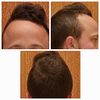
The conversation is about the results of using hormone replacement therapy (HRT) with estrogen and finasteride for hair loss, and switching from finasteride to bicalutamide as an anti-androgen treatment. The user shared before and after photos to discuss the effectiveness of these treatments.
A user with low testosterone and mild gyno is considering finasteride for hair loss. Others suggest consulting an endocrinologist first and share experiences of finasteride not worsening gyno.
A user is experiencing side effects from topical finasteride and is considering using a low dose of anastrozole to manage potential gynecomastia while continuing finasteride for hair loss. They are unsure whether to start the aromatase inhibitor immediately or wait to see if their body adjusts.
Hair loss affects confidence, with discussions on treatments like finasteride, minoxidil, and RU58841. Emphasis is placed on self-acceptance and building confidence beyond appearance.
A user reports persistent sexual side effects three months after stopping finasteride, despite a healthy lifestyle and supplements. They express concern over the lack of libido and infrequent erections.
A 19-year-old male switched from finasteride and minoxidil to dutasteride due to continued hair thinning and is experiencing increased nipple sensitivity and a small lump, raising concerns about gynecomastia. Suggestions include slowing the transition, checking hormone levels, and considering an aromatase inhibitor.
Bicalutamide blocks androgen receptors, preventing testosterone and DHT from binding, which can help with hair loss but may cause feminization. It is not recommended for those who do not want feminization effects.
A 31-year-old individual started taking finasteride 24 days ago to address hair thinning and loss, which has worsened their mood and stress. They have not yet added minoxidil and are experiencing significant shedding, contributing to sleep issues and insecurity about their hairline.
Cbum's hair transplant is criticized for looking unnatural and not blending well, with some suggesting better results were expected given his resources. Discussions also cover the effects of steroids and finasteride on hair loss and muscle growth.
OP is planning a hair transplant but has gyno surgery scheduled next month. It's recommended to wait 4-6 weeks after the gyno surgery before proceeding with the hair transplant.
27-year-old female experiences aggressive hair thinning and hirsutism despite normal testosterone levels. Spironolactone and 2% minoxidil were ineffective; high DHEA sulfate levels may be the cause.
The conversation is about men discussing their experiences with hair loss and their acceptance or resistance to it, mentioning treatments like finasteride and hair transplants. Some users express hope to maintain their hair while young, while others have accepted baldness or found confidence after shaving their heads.
The conversation discusses using minoxidil, finasteride, biotin, rosemary oil, and microneedling for hair regrowth, particularly around the temples. The user is seeking a permanent solution to improve hair density without ongoing intensive treatments.
A 23-year-old male experienced nipple sensitivity after taking 0.5 mg finasteride for 2.5 months, with blood tests showing increased testosterone and estrogen levels. He stopped finasteride temporarily and seeks advice to prevent gynecomastia.
A 19-year-old male using 1 mg finasteride every two days for hair loss reports no side effects and believes maintaining his current hair condition is progress. Some users see no difference in hair regrowth, attributing changes to lighting.
A user is experiencing facial bloating from low-dose topical finasteride due to high estradiol levels and is seeking advice on using DIM to manage this issue, including dosage and brand recommendations.
The brain resists updating its perception of gradual appearance changes, like hair loss, due to its preference for stability and reliance on an internal model. This delay in perception can make changes feel sudden once the brain finally updates its model.
A 30-year-old man is considering quitting Finasteride due to sexual side effects, including reduced libido and difficulty reaching orgasm, despite its effectiveness in treating hair loss. He is exploring other factors like relationship issues and potential low testosterone, and is considering getting blood work done.
A woman with androgenetic alopecia uses Dutasteride and Bicalutamide but feels devastated due to increased sensitivity to DHT. She considers wigs, Minoxidil, and seeks advice on options like spironolactone, hair transplants, and therapy.
A 27-year-old male with AGA and diffused thinning has been using oral Minoxidil, Finasteride, Vitamin D, B12, Iron, and Ketoconazole shampoo. Despite a hair transplant and improved blood levels, he continues to experience hair loss and suspects a possible misdiagnosis of Alopecia Areata Incognita.
The conversation is about how dealing with hair loss has made other insecurities seem less significant. Some users shared experiences of self-acceptance and improvements in other areas, like vision correction, but still facing the challenge of hair loss.
User experienced feminizing side effects from finasteride and tried RU, alfatradiol, and finasteride without success. They are now considering treatments like Stemoxydine, Zix, Minoxidil, Dermarolling, Eucapil, and a hair transplant.
The user is experiencing severe hair shedding after taking finasteride for three weeks and plans to stop due to gynecomastia symptoms. Stopping finasteride may lead to some hair regrowth, but benefits from the treatment might be lost; topical alternatives are suggested.
User "tresslessatbest" shares her experience with androgenic hair loss and treatments. She found success using men's Rogaine 5%, spironolactone, dermaroller, biotin, blackcurrant seed oil, prenatal vitamins, and Nizoral shampoo.
Finasteride can cause pelvic or urethral discomfort for some users. Reducing the dose to 0.25 mg on Mondays, Wednesdays, and Fridays is being considered as a potential solution.
A 23-year-old feels devastated by hair loss despite using Minoxidil and finasteride since age 18, and is advised to embrace baldness, improve physical fitness, and consider hair systems. The conversation emphasizes self-acceptance, confidence, and exploring new interests to improve mental well-being.
A 30-year-old male using finasteride for hair loss has high testosterone and estrogen levels but no side effects. He is advised to monitor hormone levels, consider dietary changes, and use additional treatments like vitamin D3, minoxidil, and dutasteride for hair growth.
OP is considering Bicalutamide for female AGA and TE but is concerned about its side effects and effectiveness compared to Finasteride. OP is also using Minoxidil and Spironolactone but is experiencing significant shedding and is unsure if it's androgen-driven or due to Minoxidil changes.
The conversation is about a 21-year-old seeking advice on managing hair loss, considering options like shaving, hair implants, or using treatments like finasteride and minoxidil. The user is concerned about self-image and the social implications of being bald at a young age.