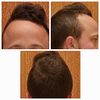
Balding can make dating more challenging, especially with superficial attitudes, but confidence and fitness can help. Some embrace shaving their heads, while others focus on self-improvement and acceptance.
The possible increased risk of severe Covid-19 cases in men due to higher androgen levels, and how taking medications such as finasteride, dutasteride, spironolactone, enzalutamide, or canabidiol might help mitigate the severity of the disease.
Finasteride is more accepted than hair systems because it is less visible and maintains natural hair. Treatments like minoxidil and finasteride are commonly used for hair loss, but opinions on hair systems vary.
The conversation discusses hair loss treatments for a 30-year-old female, comparing red light therapy with minoxidil and finasteride. Concerns about hormonal impact and potential pregnancy are raised, with suggestions to consider spironolactone and microneedling, while emphasizing the importance of consulting a dermatologist.
The conversation is about using finasteride for hair loss and considering supplements like ginseng or ashwagandha to boost testosterone levels. Concerns are raised about potential negative effects on hair due to increased DHT conversion, and it's suggested that natural testosterone boosters may not significantly impact those with already high testosterone levels.
A 26-year-old man shared his positive results after 10 months of treating male pattern baldness using a regimen that includes Estradiol Enanthate, DHPA, Bicalutamide, Dutasteride, oral and topical Minoxidil, and a dermaroller. He experienced mild gynecomastia and reduced body hair as side effects but was satisfied with the outcome.
A 21-year-old woman diagnosed with male pattern baldness (MPB) who is considering treatments such as spironolactone, minoxidil and finasteride to address her hair loss. The user also discusses potential solutions for concealing the appearance of her thinning hair, such as wigs or haircuts.
The conversation discusses concerns about potential cognitive and emotional effects of finasteride, with the original poster planning to monitor their cognitive performance while using the treatment. A user responds that most people do not experience cognitive shifts, though some report subtle changes.
Isoflavones from soybeans may help limit estrogen's effects on the body, potentially preventing gyno. However, surgery is the only way to remove gland enlargement.
A person shared their experience with teenage male pattern baldness, advising teenagers to involve their parents, consult medical professionals, and not self-medicate. They discussed using minoxidil and finasteride, including a topical combination of both, as potential treatments under professional supervision.
The user is experiencing low libido and mood swings after starting a low dose of topical finasteride. They are considering further blood tests to investigate low testosterone levels and other hormonal factors.
PTD-DBM therapy for hair loss is being developed by Dr. Kang-Yell Choi, with human testing planned in South Korea. Some clinics in the U.S. offer PTD-DBM/valproic acid therapy, but it hasn't completed trials yet.
The clinic diagnosed the user with NW3 and AGA, noting thinning hair despite using finasteride for 3 years, and suggested PRP and Mesotherapy before considering a transplant. The user questions the necessity of these treatments without confirming retrograde alopecia and its treatability.
The conversation discusses exploring new hair loss treatments beyond popular ones like Finasteride, Minoxidil, and Ketoconazole. Specific treatments mentioned include ozone therapy, Dutasteride mesotherapy, RegeneraActiva, microcurrent electrical hair stimulation, Nourkrin, and BioEqua Enercharger.
A hair transplant experienced by FC Barcelona goalkeeper Ter Stegen, who reportedly saw improved confidence and performance following the procedure. People discussed finasteride as an alternative treatment option for those unable to afford a transplant.
A user with low-normal testosterone levels is considering starting finasteride and minoxidil for hair loss but is concerned about hormone imbalance. They are advised that finasteride targets DHT, not testosterone, and could start with minoxidil while making lifestyle changes to naturally increase testosterone.
27-year-old female experiences aggressive hair thinning and hirsutism despite normal testosterone levels. Spironolactone and 2% minoxidil were ineffective; high DHEA sulfate levels may be the cause.
A user discusses starting nandrolone replacement therapy to stop hair loss and improve hair health, noting its benefits over finasteride. They report halted hair loss, improved skin, increased muscle, and a calm mood after three weeks.
A 19-year-old male switched from finasteride and minoxidil to dutasteride due to continued hair thinning and is experiencing increased nipple sensitivity and a small lump, raising concerns about gynecomastia. Suggestions include slowing the transition, checking hormone levels, and considering an aromatase inhibitor.
A 31-year-old individual started taking finasteride 24 days ago to address hair thinning and loss, which has worsened their mood and stress. They have not yet added minoxidil and are experiencing significant shedding, contributing to sleep issues and insecurity about their hairline.
A 21-year-old male uses minoxidil, finasteride, and dutasteride for hair loss but still experiences progression with high DHT levels. Suggestions include increasing dosages, checking for deficiencies, considering a hair system, or consulting a specialist.
The user is concerned about high DHT levels despite using finasteride and dutasteride for hair loss, suggesting these treatments may not be effective. They plan to consult an endocrinologist and consider other antiandrogens, acknowledging potential side effects.
A young man faces severe hair loss in his early 20s, using treatments like dutasteride and minoxidil with little success, impacting his self-esteem and relationships. He considers hair systems and therapy as potential solutions.
The conversation is about a person recovering from drug-induced malnourishment, regaining hair growth, and improving overall health. They attribute their progress to stopping drug use, focusing on nutrition, and possibly using hormone replacement therapy (HRT).
The user shared their hair regrowth journey since 2017, using treatments like finasteride, minoxidil, dutasteride, RU58841, microneedling, and later feminizing HRT. Significant progress was noted after starting HRT, with continued improvement in hair texture and regrowth.
The review discusses traditional hair loss treatments like minoxidil and finasteride, and newer options like Low-Level Laser Therapy, microneedling, and platelet-rich plasma for androgenetic alopecia. It highlights the need for more high-quality trials to assess these treatments' effectiveness and standardized protocols for emerging therapies.
The conversation is about future hair loss treatments. Current treatments mentioned include finasteride, minoxidil, and RU58841, with potential future treatments like GT20029, TDM-105795, JW0061, and follicle cloning.
Finasteride can cause gynecomastia due to hormonal imbalances. Management includes consulting an endocrinologist and using aromatase inhibitors like anastrozole or supplements like DIM and zinc.
The user experienced significant hair regrowth using a combination of minoxidil, finasteride, various serums, and micro-needling, leading to increased confidence and consideration of a hair transplant. Despite initial baldness due to past health issues, the user is pleased with the progress and continues to use treatments like Pilgrim, Md Hair, Bodywise Roller, and Bouf serums.
A 21-year-old experienced hormone changes after using self-made topical finasteride for hair loss, including a 20% decrease in DHT, a 47% increase in testosterone, and a 39% increase in estradiol. The user previously used minoxidil and microneedling but is now seeking ways to balance hormones, possibly through supplements or dosage adjustments.