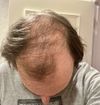
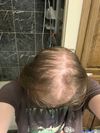
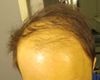
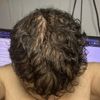
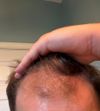
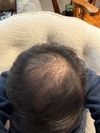
The user is seeking advice on preserving hair follicles at Norwood stage 6 or 7 while waiting for new treatments. They are considering using treatments like Minoxidil, finasteride, or RU58841.
The user is experiencing significant hair loss and is considering treatments like minoxidil, finasteride, and possibly a hair transplant. They are advised to consult a dermatologist and consider oral minoxidil and dutasteride, while being aware of potential side effects and the need for ongoing treatment.
A 27-year-old is experiencing increased hair shedding despite using minoxidil, finasteride, and microneedling. They are concerned about the shedding and seek reassurance and advice from others.
The user used minoxidil unnecessarily for two months due to a perceived hair loss but realized their hairline hadn't changed in 2.5 years. They are concerned about shedding caused by minoxidil and whether stopping its use will allow regrowth or cause permanent damage.
An 18-year-old is experiencing hair loss and has been using topical minoxidil consistently for over a year, with some improvement in hair density. They tried switching to a combination of topical finasteride and minoxidil but experienced possible side effects, so they returned to using only minoxidil, along with biotin and dermarolling, and are seeking advice on whether finasteride might still be effective for them.
The user plans to start oral finasteride and oral minoxidil for hair loss, despite previous side effects from finasteride. They intend to take both on a Monday, Wednesday, Friday schedule and are seeking advice on any additional considerations.
The user has been using finasteride for 20 years to stop hair loss and is considering using minoxidil and microneedling to regrow hair on the hairline. They are also open to trying other treatments like hair transplants but prefer less invasive options first.
A 23-year-old male experienced sudden hair loss over six months, losing about 30% of his hair. Treatments include 10% minoxidil, a hair spray, and a vitamin pill; opinions on the cause vary between normal hair loss due to deficiencies and male pattern baldness.
The conversation discusses the importance of scalp skin barrier health in hair follicle cycling, suggesting treatments like ceramides or niacinamide to support hair growth. It also mentions the use of finasteride for hair loss.
A user found a red light cap from China with good specifications for hair loss treatment, priced at €480. They seek opinions on its legitimacy and quality, especially from those with experience ordering from AliExpress.
The user is considering trying finasteride again for hair loss despite past side effects like tender nipples and concerns about mental health impacts. They are advised to consult a doctor and consider topical or low-dose finasteride.
The user has been using oral finasteride and minoxidil for hair loss but is considering switching back to topical minoxidil due to persistent scalp issues. Another user suggests an anti-inflammation regimen and oral dutasteride.
A 19-year-old is experiencing hair loss and shedding despite using Dutasteride and topical Minoxidil for six months. They are concerned about potential infections like folliculitis and are considering stopping the treatments due to stress and hair loss from various areas, including eyebrows and eyelids.
A 24-year-old considering a hair transplant is currently using dutasteride for hair loss. They are unsure about proceeding with the transplant due to concerns about future hair loss and the need to shave their head for the procedure.
A 33-year-old male is starting treatment with oral dutasteride and topical minoxidil for hair regrowth. He is concerned about his receding hairline and hopes for some improvement despite years of balding.
A user with low-normal testosterone levels is considering starting finasteride and minoxidil for hair loss but is concerned about hormone imbalance. They are advised that finasteride targets DHT, not testosterone, and could start with minoxidil while making lifestyle changes to naturally increase testosterone.
A 21-year-old is experiencing hair loss and is considering using Minoxidil and Finasteride, but is concerned about lifelong dependency and seeks advice on permanent solutions. They are advised to act quickly, consider additional treatments like Dutasteride, and get blood tests to rule out other causes.
A 28-year-old in Turkey is experiencing hair loss, affecting his confidence and mood. He uses various supplements and shampoos, and is considering topical finasteride/dutasteride and minoxidil for treatment.
An 18-year-old noticed significant hairline recession and is concerned about further hair loss. They plan to improve their lifestyle and are advised to use finasteride and minoxidil and consult a dermatologist.
A 19-year-old is experiencing sexual side effects after 1.5 months of using topical finasteride and minoxidil for hair loss. They are considering stopping the treatment to see if symptoms resolve and are seeking advice on how long to wait before discontinuing.
Applying minoxidil and finasteride to the temples won't cause shedding elsewhere. Shedding occurs due to hair follicles resetting their growth cycle, not the application location.
The user experienced mental side effects from both oral and topical finasteride and is considering trying dutasteride or liposomal topical finasteride. They are concerned about potential worsening of hair loss if they quit dutasteride.
The user forgot their minoxidil and finasteride while traveling in Indonesia and is concerned about hair loss. They are advised that a 6-week break might cause some shedding but not drastic changes, and it's safer to wait for friends to bring the medication due to strict drug laws.
A 25-year-old female is experiencing hair loss and has tried PRP, Minoxidil 5% with Biotin, and weekly needling sessions. Her doctor suggested switching to GFC treatment and stopping the needling sessions due to increased shedding, which may be caused by Minoxidil.
The user has been taking oral minoxidil and finasteride for 10 months with no hair growth but no further hair loss. They are considering adding rosemary oil and possibly returning to a topical solution.
The user plans to switch from topical to oral finasteride (1mg/day) and minoxidil (3mg/day) due to unsatisfactory results with topical treatments. They seek advice on the effectiveness, potential side effects, and the timing for considering a hair transplant, with recommendations to monitor health metrics like blood pressure and conduct thorough bloodwork before starting.
A 22-year-old is using minoxidil and finasteride for hair loss and is concerned about side effects and interactions with Accutane. Continuing these treatments may help prevent Accutane-related hair loss, but stopping them could reverse progress.
A 31-year-old man from India is starting a hair loss treatment routine using finasteride, minoxidil, ketoconazole shampoo, and supplements for vitamin deficiencies. He is considering switching to oral minoxidil and possibly using Redensyl serum, while also exploring the effectiveness of dutasteride compared to finasteride.