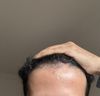
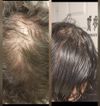
User tried dermarolling for hair loss and shared progress pictures. Some suggest adding finasteride and minoxidil, while others debate effectiveness and frequency of dermarolling.
The user is using a combination of oral Dutasteride and Minoxidil, and a topical formula with Finasteride, Minoxidil, and Hydrocortisone, along with rosemary oil, coconut oil, ginseng, and a derma roller. They are also using LLLT therapy and are questioning the timing of the laser cap session in relation to the topical application.
The post and conversation discuss the link between DHT (a hormone), scalp itchiness, and hair loss. Some users share their experiences and treatments, including the use of fluconazole, corticosteroids, and ketoconazole shampoo, with one user suspecting minoxidil as a potential cause of their symptoms.
The user switched from topical to oral finasteride and minoxidil for hair loss and experienced swelling and sensitivity in the left chest area. They are concerned about these symptoms but noticed improvement after skipping a dose.
The user has been using 5% minoxidil once daily and microneedling with a 1.5 mm dermaroller weekly for three months, considering increasing minoxidil usage but avoiding finasteride due to libido concerns. Another person suggests considering other treatments like RU58841, alfatradiol, topical finasteride, clascoterone, or saw palmetto since not using a DHT blocker could be less effective.
Using dermaneedling or dermapen for hair loss while managing seborrheic dermatitis and dandruff. Treatments mentioned include ketoconazole, peppermint and jojoba oil, and rubbing alcohol.
User experiencing hair loss on dutasteride; others suggest shedding is normal and to track progress with pictures. Some mention using RU58841 for improvement.
The user "OP" reported significant hair regrowth using oral finasteride, oral and topical minoxidil, ketoconazole shampoo, and derma stamping. OP experienced initial shedding but no other side effects.
The user has been on finasteride for 8 months and minoxidil for 3 months, experiencing minor regrowth at the temples but overall worse hair loss, with constant shedding and itching. They are concerned about thinning on the sides and nape, questioning if it's diffuse unpatterned alopecia (DUPA) and seeking advice on what to do next.
The user is experiencing a second hair shedding phase and increased flaking and itching while using minoxidil 5% nightly and microneedling every two weeks, with needle length increasing over time. Other users suggest the hair loss may continue without the use of finasteride.
The user is experiencing significant hair shedding and thinning, particularly in the middle section, and is seeking advice. Suggested treatments include Minoxidil, finasteride, and RU58841.
A user is considering using topical finasteride, topical minoxidil, RU58841, and dermarolling twice a week to address hair loss after experiencing side effects with oral finasteride. They previously saw positive results with a topical spray containing finasteride, minoxidil, and tretinoin but discontinued use due to laziness.
The conversation discusses hair loss treatments, specifically the use of RU58841 by individuals who did not respond to dutasteride. Users share experiences with maintaining hair using RU58841 and mention trying pyrilutamide and the upcoming availability of pp405.
A user is concerned that prolonged use of valisone (betamethasone) and clotrimazole solution for scalp dermatitis may be causing hair thinning and loss. They noticed thinning in the area where the solution was applied.
The user started using a hair loss treatment called pyrilutamide and experienced mild chest discomfort and tightness, similar to previous side effects from RU58841. They plan to reduce the dosage due to these side effects and will provide an update on the results in 1-2 months.
The conversation discusses concerns about Dr. Rassman's topical Finasteride, specifically whether it is liposomal or glycol-based. Dr. Rassman insists on providing the correct liposomal formulation and urges patients to contact him if they receive the wrong product.
An 18-year-old male is experiencing significant hair shedding, particularly from the back of his head, despite normal blood test results except for slightly low vitamin D. A dermatologist prescribed minoxidil for receding temples, but the cause of the shedding remains unclear.
A 27-year-old male is experiencing hair loss and dandruff, despite trying various treatments like cortisone, diflucan, and natural remedies. He is considering shaving his head and is seeking advice on the "Big 3" treatment, which includes Minoxidil, finasteride, and RU58841.
Men with hair loss might have lichen planopilaris (LPP), which can mimic androgenetic alopecia, leading to misdiagnosis and ineffective treatment with finasteride or dutasteride. Proper diagnosis, including biopsies, is crucial to distinguish between androgenetic alopecia and conditions like LPP.
A 19-year-old is experiencing diffuse thinning and has been on finasteride for 6 months, noticing a slower but still concerning rate of hair loss. They started taking 0.5mg of dutasteride once a week in addition to 1.25mg of finasteride on other days and are seeking advice on this treatment approach.
A user is experiencing facial bloating from low-dose topical finasteride due to high estradiol levels and is seeking advice on using DIM to manage this issue, including dosage and brand recommendations.
The user has been using minoxidil for 6 months and has seen improvements but still has bald spots. They plan to consult a dermatologist to address their concerns.
Mixing RU58841 with cetosomal minoxidil is discussed due to scalp irritation from ethanol PG vehicles. A mixture of the two turned bright pink when left to dry.
Female (37) experiencing hair loss for 5 years, tried max dose of spiro and oral + topical minox without success. Discovered low cortisol and low DHEA levels, seeking functional medicine practitioner for help.
A user experienced a painful rash from both liquid and foam minoxidil, suggesting an allergy to minoxidil itself. They are seeking others with similar experiences.
The conversation is about choosing a topical antiandrogen for hair loss, with options including RU58841, CB0301, Pyrolutamide, Alfatradiol, and Fluridil. Users discuss their preferences and reasons for selecting specific treatments.
Whether using both Fluridil and Alfatradiol together could be more effective than either one alone as a hair loss treatment, given their different mechanisms of action.