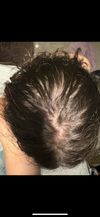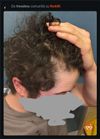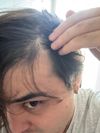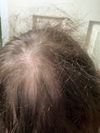
An 18-year-old is concerned about hairthinning and is considering starting Minoxidil and finasteride. They are seeking advice on whether to begin these treatments.
The user has been using finasteride and minoxidil for 8 years and recently started dutasteride, but still experiences thin, see-through hair. Suggestions include adding probiotics, changing hairstyle, checking hormones, supplementing vitamin D3, trying laser therapy, and improving gut health.
A user shared their personal experience with hair loss treatment, detailing their journey from initial hairline thinning to regrowth. They tried several protocols, with the most effective being a combination of finasteride, minoxidil, dermarolling, and topical tretinoin, and plan to continue finasteride daily.
A 24-year-old male using topical finasteride for hair loss is experiencing thinning despite treatment and has high estrogen levels. He is seeking advice on whether high estrogen could be causing hair loss and how others with high estrogen levels have addressed it.
The user is experiencing thinning at the temporal points and has been using minoxidil, dermarolling, and a mixture of natural oils to improve hair growth. They are considering finasteride as a potential treatment based on shared information.
OP experienced significant hair regrowth after recovering from iron deficiency anemia and starting minoxidil. They suspect anemia contributed more to their hair loss than androgenetic alopecia (AGA).
A 21-year-old is experiencing hairthinning and is using oral finasteride and topical minoxidil, considering adding oral minoxidil. They are unsure if the condition is androgenetic alopecia (AGA) or telogen effluvium (TE) and are advised to continue treatments and get a blood test.
The user is experiencing progressive hairthinning despite using finasteride and dutasteride. A biopsy confirmed male pattern baldness, and minoxidil was suggested as an additional treatment.
User "tresslessatbest" shares her experience with androgenic hair loss and treatments. She found success using men's Rogaine 5%, spironolactone, dermaroller, biotin, blackcurrant seed oil, prenatal vitamins, and Nizoral shampoo.
An 18/19-year-old male started balding at 16 and initially saw hair growth with minoxidil, but results diminished over time. He switched dermatologists and is now using a regimen of topical finasteride, minoxidil, vitamin D, and supplements, hoping for better results.
Increased hair shedding can occur when starting Finasteride, but it's usually temporary. Adding Minoxidil may help regrow and thicken hair, while vitamins are only beneficial if there's a deficiency.
The user experiencing diffuse hair loss is using various treatments including RU58841, finasteride, minoxidil with tretinoin, anti-hair loss shampoo, and microneedling, and is considering adding peptides TB500, BPC157, and GHK-Cu. They have low growth hormone levels and are questioning its impact on hair loss, while another user suggests androgenic alopecia and androgens are likely the main cause of hair loss.
A 19-year-old male has been using oral finasteride and topical minoxidil since December, with initial success, but has experienced hairthinning and loss since May. Despite using microneedling and tretinoin cream to enhance minoxidil, his dermatologist advised using only minoxidil, causing concern about worsening hair loss.
A 32-year-old noticed thinninghair and started using minoxidil 5% daily without worsening. They seek advice on tracking hair loss progress with photos.
Hair regrowth after telogen effluvium, with the user experiencing hair loss at the temples and regrowth after taking omega-3/fish oil tablets. Suggestions include consulting a dermatologist and considering supplements like Biotin, Zinc, and Vitamin D.
A 19-year-old noticed hairthinning and mild receding hairline, opting for a treatment regime excluding finasteride and minoxidil. The regime includes derma rolling, rosemary and coconut oil, a massage comb, a DHT-blocker shampoo, and vitamins B12 and Biotin.
Ashwagandha may cause hairthinning due to increased TSH levels, suggesting a link to hypothyroidism. Users are advised to consult a doctor for proper evaluation.
An 18-year-old is experiencing severe hair loss and dandruff, feeling stressed and unable to commit to Minoxidil or handle finasteride side effects. They have tried natural oils, anti-hair fall shampoo, and consulted a dermatologist without success, and are seeking affordable treatment options.
A 21-year-old male diagnosed with telogen effluvium and male pattern baldness started oral finasteride, which initially slowed hair loss and slightly thickened hair, but experienced increased shedding after surgery. The doctor recommended iron and vitamin D supplements, and the user is seeking additional advice.
The user is experiencing hairthinning despite using finasteride and minoxidil for over a year and is considering alternatives like dutasteride, RU58841, or mesotherapy. They are concerned about maintaining their hair until their mid-20s and are seeking suggestions for additional treatments.
A young individual experienced early hair loss and tried various treatments including Minoxidil, RU58841, micro-needling, and topical finasteride, which stopped the hair loss but did not regrow hair. Ultimately, they found a solution in a hair system, which restored their confidence and allowed them to participate in social activities again.
The user has been dealing with hair loss since middle school and has tried various treatments like mesotherapy, PRP, and red light therapy without success. Currently, they use minoxidil, finasteride, and dutasteride but are considering a hair transplant due to limited improvement.
A 21-year-old is experiencing significant hair loss and considering treatments like dutasteride, minoxidil, and possibly a hair transplant. Others share their experiences with finasteride, scalp micropigmentation, and hair transplants, discussing the emotional impact and offering support.
The conversation is about hair loss, likely androgenetic alopecia, with recommendations to consult a doctor and consider treatments like finasteride and minoxidil. The user is advised to check for vitamin deficiencies and consider topical minoxidil and oral finasteride.
The user is experiencing hair loss despite using Dutasteride and plans to try RU58841, considering adding Oral Minoxidil. They express frustration with diffuse thinning and seek advice on managing hair loss.
User experiences slow hair regrowth despite using finasteride, topical minoxidil, and supplements like biotin, zinc, and collagen. They seek advice on addressing overall slow hair regrowth.
A 31-year-old male experiencing hairthinning since age 25-26 uses minoxidil, finasteride, a red laser cap, and microneedling to promote hair growth. Users suggest reducing microneedling frequency to once a week to avoid damaging hair follicles.
The conversation highlights the general public's lack of knowledge about hair loss, with various ineffective remedies suggested, such as not wearing hats or using hair fibers. The only effective treatments mentioned for male pattern baldness are medications like minoxidil and finasteride, and hair transplants.
Stefano, a 20-year-old male, experienced significant hairline shedding and thinning after using topical Minoxidil, along with rosemary/jojoba oil, biotin tablets, caffeine shampoo, and a dermaroller. He is uncertain whether to continue the treatment in hopes of regrowth or stop and potentially return to his original hair condition, while a reply suggests using finasteride or dutasteride to address the underlying cause of hair loss.
The user experienced hair loss from age 16 to 24 and tried various treatments. Effective treatments included Finasteride, Minoxidil, and hair transplants, while thickening shampoos, biotin, laser hair therapy, and excessive exercise were ineffective.