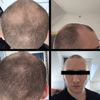
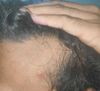
BigLu2012 tried various hair loss treatments for 3 years, including Fin, Min, and RU, but experienced side effects and worsening hair condition. Ready-Character1581 suggested focusing on mental health and not stressing about hair, as it looks better than most.
The conversation discusses the potential link between gut health and hair loss, with personal experiences of hairthinning and stomach issues shared. Some individuals found no success with common hair loss treatments like Minoxidil and Finasteride and are exploring the impact of gut health on hair growth.
Shampoos can help with thinninghair by improving scalp health and reducing breakage, but they can't address genetic or hormonal causes. Effective treatments often include using topical minoxidil and finasteride, while the right shampoo varies per individual needs.
A 26-year-old male with early hairthinning is using finasteride, topical minoxidil, and supplements for deficiencies in iron, B12, and vitamin D3. He is considering adding oral minoxidil to his treatment plan.
A 36-year-old is concerned about early hairline recession despite no family history of hair loss. They are considering treatments like finasteride, minoxidil, and ketoconazole shampoo but are worried about potential side effects and are seeking natural alternatives.
A 26-year-old is experiencing worsening hairthinning despite using dutasteride 0.5 mg and oral minoxidil 5 mg, alongside ketoconazole for seborrheic dermatitis. Users suggest patience, as results may take 12–18 months, and consider increasing the dutasteride dosage or consulting a dermatologist.
A 25-year-old is experiencing chronic telogen effluvium (TE) and androgenetic alopecia (AGA) after surgery, using finasteride, red light therapy, and supplements, and considering oral minoxidil despite heart concerns. They are unsure whether to start minoxidil before or after an upcoming surgery, which may trigger another hair shed.
A 38-year-old male with stress-induced Telogen Effluvium is seeking advice on using oral finasteride and minoxidil, as well as vitamin regimens, for hair loss. He is considering these treatments after a dermatologist ruled out male pattern baldness and prescribed ketoconazole shampoo.
The user experienced hairthinning and was diagnosed with alopecia incognito and male pattern baldness. They are using minoxidil, finasteride, and dutasteride scalp injections, reporting gradual improvement with no side effects.
User is using topical Minoxidil (100 mg/day) and Finasteride (1 mg/day) but experiencing hair growth everywhere except the top of the scalp. They seek advice on improving scalp hair regrowth.
A 17-year-old with thinninghair is considering using Revalid, a supplement with ingredients like biotin and zinc, based on parental recommendations. Another user suggests that supplements could help since the hairthinning doesn't seem to be androgenic alopecia.
The post discusses potential links between low vitamin D levels and hair loss, and how correcting this might impact the effectiveness of Minoxidil and Finasteride treatments. The responses vary, with some suggesting that vitamin D deficiency would cause overall scalp hair loss, while others believe it would first affect the most sensitive areas.
A 29-year-old male is considering treatments for hair loss, including Minoxidil, Finasteride, microneedling, or a hair transplant, and is concerned about potential hair loss due to military service. He is currently at Norwood 2 and has a family history of hair loss.
A 23-year-old male is experiencing diffuse hair loss and miniaturization, possibly due to high IGE levels after using tofacitinib. He seeks advice and has not yet consulted a dermatologist.
A 24-year-old is experiencing aggressive hair loss despite using minoxidil and finasteride for years and is considering a hair transplant. Many suggest trying dutasteride, but there are concerns about side effects.
The user has been using finasteride, minoxidil, and Nizoral for hair loss but is not seeing much regrowth. Suggestions include trying oral minoxidil with dutasteride, and some users believe the hair looks better in recent pictures.
Hair loss treatments discussed include leave-in conditioner, volumizing powder, styling products, and hairspray for thicker appearance without fibers. User shares routine and product suggestions for people with thin hair that lacks volume.
A person in their 20s is struggling with hair loss, using treatments like minoxidil and finasteride. Suggestions include self-improvement, therapy, hair transplants, and focusing on acceptance and confidence.
Trans woman experiences hairthinning despite low testosterone and treatments like finasteride and microneedling. Possible causes discussed include past eating disorder and current stack of medications and supplements.
Maintaining good hair density is more important than preventing a receding hairline, as it can enhance a mature look. Treatments discussed include finasteride, minoxidil, dutasteride, and RU58841.
A user noticed that after using finasteride and a regrowth spray, their new hair strands are all black, unlike their previously white hair. They are puzzled by this change and seek an explanation.
An 18-year-old is concerned about potential balding and seeks advice. They are unsure if their hairline is a widow's peak or if they are experiencing hair loss.
The user is experiencing a strange hair loss pattern despite using dutasteride for 3 years and minoxidil with tretinoin for 1.5 years. They recently added microneedling and are considering a scalp biopsy to understand the cause.
The conversation discusses hair loss treatments, with users sharing experiences and opinions on finasteride, minoxidil, and other methods. Many recommend finasteride for its effectiveness, while others express concerns about side effects and emphasize the importance of acting quickly to address hair loss.
An 18-year-old with diffuse hairthinning is considering switching from a topical Minoxidil 10% + Finasteride 0.1% solution to Minoxidil 5% foam and oral Finasteride 0.5mg, while also addressing vitamin D deficiency and potential scalp inflammation. Users suggest using Nizoral shampoo for inflammation, considering dutasteride for better results, and maintaining vitamin D levels to protect hair follicles from DHT.
A 22-year-old experiencing hair loss since age 16 is seeking advice after stopping finasteride due to side effects, despite its effectiveness, and is currently using minoxidil and taking vitamin D supplements. They are concerned about their receding hairline and are considering whether to continue treatments or shave their head.
Many younger men are experiencing hair loss due to genetics, diet, stress, and lifestyle changes. Treatments like finasteride and minoxidil are mentioned, with some users noting improvements.
The user is experiencing aggressive hair loss since their teens and has tried finasteride, topical minoxidil, dutasteride, and oral minoxidil without success in halting the hair loss. They are seeking advice on how to stop it.
A 23-year-old male is experiencing large dandruff flakes causing hair loss, despite using anti-dandruff shampoo. He seeks advice on resolving the issue, noting a family history of baldness.