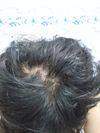
A user has been using oral minoxidil for 4 months and oral finasteride for over a year without side effects. Responses praise the user's hair regrowth and healthy appearance.
A user's 12 month progress on finasteride and 10 months of microneedling for hair loss treatment, which has resulted in improved temple areas with no side effects from the finasteride. They have not used minoxidil yet but are considering it for further gains. DHT blocking drugs such as finasteride and dutasteride are recommended to maintain regrowth results.
.
This user experienced positive results from using a combination of minoxidil and finasteride, with no reported side effects after two months. Others have also shared their experiences with both short-term and long-term use of finasteride.
Scalp biopsies are crucial for diagnosing hair loss conditions like Diffuse Unpatterned Alopecia (DUPA) and retrograde hair loss, as treatments like finasteride and dutasteride may not be effective if other conditions are present. Combining PPAR-GAMMA agonists with retinoids could improve treatments for conditions like Lichen Planopilaris.
A 26-year-old male experienced significant hair regrowth using finasteride and minoxidil, with no side effects, and is considering switching to dutasteride. He applies minoxidil topically and takes finasteride daily, noting the importance of consistent lighting for progress photos.
A user shared a positive experience about receiving free finasteride from their dermatologist. Others discussed the varying costs of finasteride in different countries.
Long-term finasteride users often experience periodic hair shedding due to natural hair cycles, even after several years of use. Some consider switching to dutasteride, but concerns about side effects and the effectiveness of finasteride remain common.
A thirty year old's progress with hair loss treatment, which includes finasteride, minoxidil and dermarolling in addition to taking multivitamins with biotin. The user has seen improvement after three months of using this regimen.
A user's progress in treating their hair loss with finasteride, minoxidil and oral minoxidil, as well as microneedling. Replies to the post have encouraged the user that they are seeing regrowth from the treatments.
A 20-year-old has been using finasteride and minoxidil to treat hair loss, with noticeable crown improvement but continued hairline recession. They are considering adding dutasteride and have experienced no side effects.
A 23-year-old is experiencing hair thinning at the crown and mid part, possibly due to vaping, and is using minoxidil, derma rolling, PRGF sessions, rosemary oil, ketoconazole shampoo, and vitamin D3 supplements. They are considering adding finasteride but are concerned about its side effects.
A 16-year-old diagnosed with male pattern baldness (MPB) was prescribed hair vitamins, vitamin D, a non-ketoconazole shampoo, and redenysl + serum, with a suggestion for GFC or IHRF treatments. Some users recommended minoxidil, ketoconazole, and derma stamping, while others advised against certain treatments until the age of 18.
User has seen no improvement after 4 years of using minoxidil and finasteride, and recently started dutasteride. Suggestions include adding oral minoxidil, microneedling, and considering a hair transplant.
A user humorously questions if they should shave their head due to hair loss, mentioning Ronald Reagan's impressive hair genetics. Replies include jokes and comments about jealousy and distrust towards older individuals with full heads of hair.
The user has seen significant hair regrowth using topical minoxidil and dutasteride, with better results than finasteride alone. Despite concerns about hairline and temporal peaks, others believe a hair transplant is unnecessary due to the current hair condition.
A user shared their one-year hair loss treatment journey using finasteride, dutasteride, and minoxidil, noting initial success with minoxidil but experiencing relapses. They questioned the effectiveness of dutasteride compared to finasteride and expressed frustration with the non-linear progress and the inconvenience of using both oral and topical treatments.
Finasteride can affect sperm quality, but fertility usually returns after stopping it, as shown by a user who conceived four months after discontinuation. Some users successfully conceive while on finasteride, though some prefer to pause its use to minimize risks.
Dutasteride users report mixed experiences, with some experiencing significant hair shedding and others seeing improvement after initial shedding. Many users switch from finasteride to dutasteride, hoping for better results, but reactions vary widely, with some facing allergies or worsening hair loss.
The user has been using finasteride for 18 years to manage hair loss and is considering starting minoxidil and possibly a hair transplant. Despite some regrowth, they are exploring additional treatments like dutasteride and oral minoxidil due to continued hair thinning.
A user is considering a long-term hair loss treatment stack including Dutasteride, Finasteride, and oral Minoxidil, and is concerned about potential liver damage. Some responses suggest the stack is excessive, while others believe it's not harmful to the liver, but recommend regular blood work to monitor health.
A user in their mid-40s shared a 12-month update on using finasteride for hair loss, showing significant improvement. They started seeing thicker hair and regrowth after 3 months, with no side effects noticed.
The post discusses the user's experience with hair loss treatment using finasteride, clobetasol propionate, and ketoconazole shampoo. The conversation warns about the potential side effects of clobetasol, a powerful topical steroid, and emphasizes its short-term usage.
A user's six-month update on their hair loss treatment plan, which includes topical finasteride and minoxidil, dermarolling, and ketokonazole. Replies to the post appreciate the comparison pictures and commend the results achieved from the treatments.
Begin with finasteride to evaluate its effectiveness before adding minoxidil. Combining treatments may enhance results but could also increase side effects; individual responses differ.
A user experienced significant hair regrowth after 4 months using topical finasteride and minoxidil, along with dermastamping and biotin supplements, without side effects. They are not considering a hair transplant due to the success of this regimen.
The conversation is about using Bimatoprost for hair growth, with concerns about potential side effects like eye color change and fat atrophy. Users discuss combining it with other treatments like Minoxidil and Finasteride, and sourcing Bimatoprost in bulk.
Switching from topical to oral minoxidil due to scalp irritation and unsatisfactory results, while also seeking cheaper options in the U.S. Oral minoxidil is generally favored for its effectiveness and fewer application downsides, with CostPlusDrugs and GoodRx offering affordable prices.
The conclusion of this conversation about hair loss is that the user, "mynameisbogus," has been using Dutasteride, oral minoxidil, topical minoxidil, RU58841, dermarolling, scalp massaging, and keto shampoo to treat their hair loss. They have not experienced any side effects and have seen positive results.
My hairline, I am only 23.
This conversation is about a user's experience with treatments for androgenic alopecia, including finasteride, dutasteride, RU, minoxidil, progesterone, melatonin, LLLT, oral minoxidil, and Pyrilutamide. They have tried many treatments over the course of two years without seeing much success, and they are considering getting a hair system as a last resort.