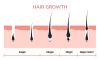
Finasteride improved hair density and changed hair texture from wavy to curly for the user. The user took 1mg of oral finasteride daily without using minoxidil.
Evidence-based treatments for androgenic alopecia, such as minoxidil, finasteride, low-level laser light therapy, dutasteride, platelet-rich plasma, and topical ketoconazole. It discusses the efficacy, safety, and mechanism of action of these treatments, as well as future developments in understanding this polygenic condition.
Hair loss is linked to DHT, with treatments like finasteride and minoxidil being common but not definitive. Economic interests influence research, and there is potential for new treatments like PP405 and RU58841.
For hair loss, start with Finasteride, Minoxidil, Ketoconazole shampoo, and Microneedling. For severe cases, consider Dutasteride, oral Minoxidil, or hair transplants.
Creatine does not directly cause hair loss but may increase DHT levels, potentially worsening hair loss in those predisposed to male pattern baldness. Users have mixed experiences, with some reporting increased shedding and others seeing no effect.
The emotional and psychological impact of hair loss in young people, how to cope with it, and potential treatments such as finasteride, RU58841, Minoxidil, SMP, and hair transplants.
Creatine is not proven to cause hair loss, but some report increased shedding, especially with male pattern baldness. Finasteride or minoxidil are suggested to counteract potential hair loss while using creatine.
The conclusion of the conversation is that the user should consider using treatments such as finasteride, minoxidil, and RU58841 to potentially reverse their hair loss. Other suggestions include using hair loss concealers and maintaining a healthy diet.
A 19-year-old male with seborrheic dermatitis (SD) experienced significant hair loss and uses keto shampoo, zinc, and Nizoral to manage it. He inquires about the potential for regrowth and whether adding finasteride would help.
A user shared their hair loss journey from 2017 to 2024, detailing the use of finasteride, minoxidil, dutasteride, supplements, and dermarolling. They experienced significant hair loss after stopping finasteride in 2017, saw some regrowth after resuming treatments in 2023, and are considering a hair transplant.
A young man with hypertrichosis has over 95% of his face covered in hair, sparking humorous comments about hair loss treatments like minoxidil and dutasteride. Users joke about transplanting his facial hair and discuss the challenges of his condition compared to typical balding.
PP405 and hair cloning are discussed as potential treatments for reversing hair loss from Norwood 7 to Norwood 1. Hair cloning is seen as a more permanent solution, while PP405's effectiveness and long-term effects remain uncertain.
Minoxidil alone is often insufficient for treating hair loss because it doesn't address the DHT-related cause. Combining it with finasteride, a DHT blocker, is generally more effective.
Dihydrotestosterone (DHT) impacts various skin conditions, including Androgenetic alopecia and seborrheic dermatitis, by causing overactivity in sebaceous glands. Topical medications Tacrolimus and Clobetasol can reduce these inflammatory conditions, and treatments like RU58841, Minoxidil, and Finasteride may also be beneficial.
Creatine does not directly cause hair loss, but it may increase DHT levels, which can affect hair. Some users report hair shedding with creatine, while others experience no hair loss.
Dutasteride is reported by some users to worsen hair loss, while others believe it causes shedding before improvement. Finasteride and Minoxidil are also mentioned as treatments, with mixed results.
A woman experiencing hair loss at 30 discusses treatments like Rogaine (Minoxidil) and Spironolactone. Others share experiences with hair loss, mentioning treatments like Minoxidil, Nizoral, and scalp oils.
A 24-year-old male is considering a hair transplant after unsuccessful attempts with oral minoxidil, topical finasteride, ketoconazole shampoo, and lifestyle changes. He believes smoking and caffeine may worsen his hair loss and is looking into hair fibers for temporary coverage.
Testosterone can still cause hair loss even when DHT is blocked by dutasteride, especially if hair follicles are sensitive. Topical treatments like RU58841 or pyrilutamide may help, but their long-term effectiveness is uncertain compared to dutasteride.
A 19-year-old male with diffuse and crown thinning is considering starting minoxidil as advised by a dermatologist but is unsure if he should seek a second opinion. Another user suggests consulting a reputable dermatologist to avoid wasting resources.
A 22-year-old is experiencing significant hair shedding and is using multiple treatments, including oral and topical minoxidil, finasteride, topical dutasteride, ketoconazole shampoo, and considering adding RU58841 and stemoxydine. Others advise patience, suggesting sticking to finasteride and minoxidil for at least a year before evaluating results, as initial shedding is normal and adding too many treatments can be counterproductive.
A user shared their 12-month progress after a 3500-graft hair transplant at Heva Clinic in Istanbul, choosing not to use minoxidil or finasteride. The results were praised, with comments noting the natural look and significant improvement.
Two twins who used Minoxidil, finasteride and dermarollers to treat their androgenic alopecia over a 10 month time period. The user is providing details on the process they use for dermarolling.
Hair regrowth from treatments like minoxidil, RU58841, and finasteride is not permanent; stopping these treatments typically results in hair loss resuming. Beard hair can become permanent with minoxidil use, unlike scalp hair, which requires ongoing treatment to maintain gains.
Hair loss is emotionally challenging, but acceptance and focusing on other life aspects are important. Treatments like finasteride, minoxidil, and RU58841 are discussed, with emphasis on the emotional impact over physical changes.
Hair loss may be linked to the TRPS1 gene and protein, not just DHT. Amplifica's AMP-303 targets mesenchymal stem cells and shows promise in treating hair loss, unlike Pelage's PP405.
The conversation discusses the effectiveness of hair loss treatments, specifically finasteride and dutasteride. The conclusion is that dutasteride significantly reduces DHT levels and may be more effective than finasteride for long-term hair retention, with some users reporting personal experiences and side effects.
The conversation is about whether low vitamin levels can cause hair loss. The consensus is that the user's vitamin levels are normal and unlikely to affect hair loss or the effectiveness of finasteride and minoxidil treatments.