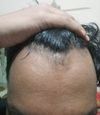
The user reported hair thickening and new growth after using minoxidil and microneedling for over three months. They are considering finasteride but have not started it yet.
The user is experiencing hair loss and confusion over conflicting medical advice, with treatments including minoxidil, finasteride, and topical corticosteroids. They are unsure about the necessity of a biopsy and the timing of using minoxidil, while also considering the impact of potential androgenetic alopecia and telogen effluvium.
The conversation is about a user sharing positive results from using dutasteride for hair regrowth over two years, with others discussing the effectiveness and experiences with hair loss treatments like finasteride and minoxidil. Some users request before-and-after photos to assess the effectiveness of the treatment.
The user experienced significant hair regrowth over seven months using a combination of oral dutasteride, minoxidil, microneedling, vitamin D, biotin, zinc, and iron. They plan to continue treatments to prepare for a potential hair transplant.
The conversation discusses a personal theory on the role of DHT in stress and reproduction, suggesting it converts testosterone for reproductive traits. The discussion includes skepticism and mentions individual differences in physiology and neurochemistry.
Hair follicles can be dormant and potentially revived with treatments like finasteride and minoxidil, but irreversible loss occurs if certain structures are destroyed. Early intervention is more effective, and additional methods like microneedling may help.
Hair regrowth from treatments like minoxidil, RU58841, and finasteride is not permanent; stopping these treatments typically results in hair loss resuming. Beard hair can become permanent with minoxidil use, unlike scalp hair, which requires ongoing treatment to maintain gains.
The user experienced significant hair regrowth with 0.5mg oral finasteride daily, despite a minoxidil allergy, and reported no side effects. They also used a keto shampoo and were satisfied with the results.
Creatine use with finasteride has mixed effects on hair, with some experiencing shedding and others noticing no impact. Many attribute concerns to individual sensitivity or unrelated factors.
Minoxidil sulfate is more effective than regular minoxidil, especially for those with low sulfotransferase levels or scalp sensitivity, but it is unstable unless delivered in a liposomal format. Combining minoxidil with tretinoin can enhance effectiveness, and stopping minoxidil use can lead to rapid hair loss.
After years of using dutasteride and oral minoxidil without success, the individual decided to shave their head and stop treatment. They considered scalp micropigmentation and hair systems but ultimately accepted their hair loss.
The conversation discusses a hair loss treatment routine involving daily minoxidil, finasteride, micro-needling, rosemary oil, and biotin supplements. The user shares personal experiences, noting no side effects from finasteride and emphasizing the importance of a healthy lifestyle in preventing hair loss.
The user shared their positive experience with finasteride for hair loss over seven years, noting it stopped hair recession and maintained their hairline. They also mentioned using minoxidil irregularly and experiencing a lower sperm count but no erectile dysfunction.
The conversation discusses hair loss treatments, specifically the use of finasteride, minoxidil, and dutasteride, with some users suggesting switching to dutasteride for better results. Additional suggestions include iron supplements, microneedling, RU58841, and castor oil, with varying success in regrowing hair, particularly on the crown.
The user shared their one-year hair regrowth progress using topical Minoxidil, oral Finasteride, rosemary oil, and a silicone head massager, along with a healthy lifestyle and supplements. They are happy with the results but acknowledge some hair loss is still visible, especially when wet.
A user is experiencing rapid hair loss and has been diagnosed with telogen effluvium by multiple dermatologists, but doubts the diagnosis due to the severity and speed of the hair loss. They are considering various treatments like spironolactone, estradiol, and possibly finasteride, while also exploring the possibility of hormonal imbalances or autoimmune issues.
Switching from topical to oral minoxidil due to scalp irritation and unsatisfactory results, while also seeking cheaper options in the U.S. Oral minoxidil is generally favored for its effectiveness and fewer application downsides, with CostPlusDrugs and GoodRx offering affordable prices.
People regret neglecting their hair until it started thinning, and they are now using treatments like finasteride, minoxidil, and microneedling. Some are considering stronger options like dutasteride due to mixed results.
The user experienced hair regrowth and stopped hair loss using a natural DHT blocker and later finasteride, despite initial side effects. They plan to add topical minoxidil to address remaining thin spots.
Hair follicle cloning is claimed to be possible but not widely available due to potential safety issues, such as cancer risks. Current treatments like finasteride and dutasteride are not effective for everyone, and there is frustration over limited access to these medications.
Participants want to maintain hair until at least age 30, using treatments like finasteride, dutasteride, and minoxidil. Hair loss remains a concern, with some considering hair transplants.
Taking CoQ10 and fish oil supplements may lead to increased body hair growth and a crawling sensation on the scalp and skin. The user suspects these supplements could be linked to hair growth, possibly due to their effects on heart health and cholesterol management.
The user is exploring hair loss treatments, including Patented Growth Factors (PGF) and a serum with Copper Peptide, Ceramides, Amino Acids, and Caffeine, while expressing concerns about the cost and effectiveness of PGF. They are also considering starting finasteride due to doubts about PGF's long-term viability and are seeking experiences from others who have used these treatments alongside antidepressants.
User experienced hair regrowth and no side effects after 10 weeks on 0.25mg finasteride daily, along with biotin, collagen, micro-needling, and hair oil. They stopped minoxidil due to inconvenience and noticed initial shedding but now see more fullness.
The conversation humorously critiques hair loss treatments and the subreddit r/tressless. It mentions Minoxidil and finasteride as common treatments, with users reacting to a satirical roast by ChatGPT.
A user shared progress pictures after 3 years on finasteride, showing improved hair thickness and density, and mentioned losing 15kg. The user plans to fix their hairline next month and received mixed feedback on their hairstyle and the effectiveness of finasteride.
A doctor advised against using finasteride or dutasteride during pregnancy. The user continues with oral and topical minoxidil, microneedling, tretinoin, Nizoral, and pyrilutamide.
A user shared their 2-month hair regrowth progress using 1mg finasteride daily, 5% minoxidil once daily, 1% nizoral shampoo twice a week, and weekly derma stamping. They reported significant improvement and no major side effects, with plans to consider dutasteride if needed.