PP405 may damage hair follicles if used long-term, suggesting cycling might be necessary. Combining it with finasteride could help maintain hair growth.
The user received 1600 hair grafts but is dissatisfied and plans a second transplant for better coverage. They use minoxidil and finasteride and are considering adding dutasteride.
PP405 shows initial promise for treating androgenetic alopecia, with safety confirmed in early trials, but skepticism remains due to limited data. Further trials are needed to determine its true efficacy and potential market impact.
PP405 is a new topical treatment for hair loss, showing promise in trials but still requires finasteride for maintenance. There is skepticism about its effectiveness and safety, with concerns about needing finasteride to maintain results.
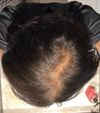
A user's progress with treating hair loss using 1mg finasteride per day, with reports of no noticeable side effects and positive results. Other users have shared their experiences with different treatments, such as Dutasteride and Minoxidil.
A user who underwent a hair transplant in Istanbul to reduce balding, and the discussion of various treatments such as finasteride and growth hormone for preventing further hair loss.
The conversation discusses transitioning from topical to oral minoxidil for hair loss treatment and explores the potential use of Aminexil, despite concerns about its effectiveness compared to minoxidil. It highlights the risks and side effects of oral minoxidil, such as potential heart and liver damage, and emphasizes the importance of monitoring blood pressure.
Hair loss treatments, particularly using finasteride and minoxidil. The user has experienced positive results from taking finasteride with no side effects and suggests listening to the podcast of Spencer Kobren for more information on such treatments.
A user discusses a company, Roots by Genetic Arts, that offers a genetic test for hair loss to create personalized treatments, and is curious about its legitimacy and the science behind it. The company tests 16 genes related to hair loss and compounds a topical treatment based on the results.
The user experienced male pattern baldness starting at 18, tried finasteride with no success, and switched to dutasteride, which halted hair loss. Minoxidil had no effect for them, while their brother, who didn't use AR inhibitors, maintained a juvenile hairline and successfully grew a beard with minoxidil, highlighting the unpredictable nature of genetics in hair loss and treatment response.
The user noticed slight hair loss after switching to Milpharm finasteride and is considering switching to Accord finasteride. They seek advice on whether to continue with Milpharm or switch brands.
The user noticed a slight loss of progress after switching to Milpharm finasteride 1mg and is considering switching to Accord finasteride. They seek advice on whether to continue with Milpharm or switch brands.
The user is experiencing hair loss and has tried various treatments including topical and oral finasteride, minoxidil, dutasteride, and ketoconazole, but continues to lose hair. They are considering alternative solutions like hair systems due to the lack of improvement and a scalp condition called CVG.
The user is using testosterone and finasteride to prevent hair loss and is considering adding Primobolan or Masteron, which are DHT-derivatives. They are seeking advice on their genetic risk for male pattern baldness and whether they can safely use these compounds without significant hair loss.
User ronopibf discusses Fagron TrichoTest, a genetic test for hair loss, and seeks opinions on its effectiveness. Some users support the service, while others call it a scam, with prices ranging from $200-$500.
Finasteride and Propecia are essentially the same, but some people may respond differently due to inactive ingredients. If cost is not an issue, Propecia is preferred due to better quality control and consistent results.
The user has been taking 1.25mg finasteride daily for 11 months and recently added a generic version due to increased shedding. They also use keto shampoo twice a week, which has reduced seborrheic dermatitis but not the itching or shedding.
The conversation discusses the variability in effectiveness and safety of generic finasteride from different manufacturers, with some generics potentially containing impurities. Users shared their experiences with various brands, questioning if different brands affect hair loss treatment outcomes.
A young woman with genetically thin hair is stressed and embarrassed, seeking advice. Suggestions include seeing a dermatologist, using spironolactone, and minoxidil for hair regrowth.
A dermatologist checked for hereditary hair loss using blood tests and plans to perform a trichogram. The user had slightly low Vitamin D3 levels, and the trichogram may help confirm androgenetic alopecia.
A 19-year-old male is experiencing hair loss and has been prescribed 5% minoxidil and ketoconazole shampoo but is unsure about starting finasteride. He plans to begin using minoxidil soon and is seeking advice on whether to add finasteride to his treatment.
Some men have strong balding genetics that treatments like Dutasteride, Minoxidil, or Finasteride may not fully address. Early intervention is believed to help, but many accept hair loss without treatment.
A 28-year-old woman with genetic hair loss has tried various treatments, including oral minoxidil, finasteride, dutasteride, vitamins, ketoconazole shampoo, exosome needling, and hair extensions. She plans to pause treatments for pregnancy and is concerned about potential hair loss during that time.
A user shared their positive experience with Roots by GA, a company that creates personalized hair loss treatments based on DNA analysis, which confirmed their inability to tolerate finasteride. The user is satisfied with their progress 30 days after a hair transplant and the customized formula they received.
Natural remedies like rosemary oil, coconut oil, and onion juice are generally seen as less effective compared to medical treatments like finasteride, minoxidil, and microneedling. Some users believe natural oils can help, but modern medicine is often more reliable.
The conversation is about switching from brand-name Avodart to generic Dutasmart for hair loss treatment, with concerns about shedding and side effects. The user also discusses using oral Minoxidil and plans to increase the dose for better results.
The user is considering switching from Hims to generic minoxidil and finasteride, with slightly lower dosages. They are concerned about maintaining their current hair condition without regrowth.
Topical finasteride may have higher systemic absorption and lower efficacy when using a Propylene Glycol/Ethanol formulation compared to the hydroxypropyl chitosan (HPCH) formulation. The safety profile of topical finasteride relies heavily on the HPCH formulation, and using standard solutions might lead to different pharmacokinetics.
In the US, Amazon Pharmacy offers unlimited generic Finasteride and Dutasteride for $5/month with RxPass, requiring an Amazon Prime membership and a prescription. Alternatives include Costco and other pharmacies, but prices and availability vary.
Switching from finasteride to a generic dutasteride led to unexpectedly high DHT levels, prompting a switch to a reputed brand and consideration of softgel capsules for better absorption. The user plans to retest DHT levels and may return to finasteride if issues persist.