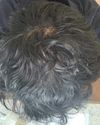
Why the top of the head is affected by hair loss more than other areas, and treatments such as surgery, medications like minoxidil, finasteride, and RU58841 to treat it.
New hair loss treatment called scube3 discussed with mixed opinions. Concerns about pharmaceutical companies preferring repetitive treatments over cures due to profit.
A user shared their hair restoration journey using oral and topical finasteride, experiencing side effects with the former. They later switched to microneedling, scalp massages, and vitamins (D3, Zinc, Biotin, B complex, Vitamin E) with mixed feedback on progress.
User experienced significant hair regrowth after 4 months using Dutasteride, Minoxidil, castor oil, rosemary spray, Ketoconazole, and microneedling. Others praised the impressive results and attributed them mainly to Dutasteride.
User discusses topical liposomal finasteride for hair loss, hoping to avoid breast growth side effect. Conversation includes using minoxidil, fluridil, and dermarolling, and mentions minimal systemic absorption of liposomal finasteride.
An 18-year-old diagnosed with male pattern baldness is using probiotics, saw palmetto, pumpkin seed oil, soy isoflavones, biotin, fish oil, quercetin, a multivitamin, and ketoconazole shampoo. Replies suggest these methods are ineffective and recommend finasteride, minoxidil, and a derma roller.
The conversation is about someone who did not see results from using 5%, 10%, and 12.5% topical Minoxidil for hair loss and is inquiring if switching to oral Minoxidil helped others who had a similar experience. They are asking for the dosage that was effective for those who saw results with oral Minoxidil.
Eli Lilly's drug baricitinib showed effectiveness in treating alopecia areata, with higher doses resulting in significant hair regrowth compared to placebo. The treatment is not for male pattern baldness.
The conversation discusses why CB-03-01, a potential hair loss treatment, isn't widely discussed despite evidence of its effectiveness and safety. Some users mention other treatments like melatonin, procianidin b2, and RU58841, debating their effectiveness and safety.
The user experienced hair loss due to androgenic alopecia and chose to use essential oils (rosemary and peppermint) and microneedling instead of minoxidil or finasteride. They reported positive results after 24 days and plan to continue with these treatments.
A user is concerned about hair loss and acne from a one-week course of 70 mg/day oral prednisolone for severe tinnitus. They are asking if these side effects are common.
The user treated seborrheic dermatitis by cutting sugar, improving sleep, using four different shampoos, and occasionally using steroids. Their hair is growing back thicker and new hair is appearing.
A woman experiencing severe hair loss since age 20 is seeking advice on hair transplants for women. Minoxidil hasn't worked for her, and she's considering shaving her head or getting a wig.
The conversation is about a hair loss regimen using Veta hair products, 2% keto shampoo, 1% zinc shampoo, and 0.05% retin-a topical. The user seeks natural alternatives due to adverse effects from finasteride.
The conversation discusses the impact of nicotine and caffeine on hair loss. The user has been using finasteride, minoxidil, and nizoral for hair loss treatment and is questioning whether to stop using nicotine products.
A female user's experience using Spironolactone to treat Female Pattern Hair Loss (FPHL) and Androgenic Alopecia, as well as discussing the effectiveness of the drug at different dosages.
The user experienced significant hair regrowth and thickening using Minoxidil, Finasteride, and Regenepure DR. They reported no major side effects except for an itchy scalp.
A 16-year-old is experiencing thinning hair at the front and shedding during showers. He is concerned about potential early baldness and is considering seeing a doctor and taking multivitamins.
The conversation discusses skepticism towards unconventional hair loss remedies, emphasizing the effectiveness of proven treatments like oral DHT blockers, topical minoxidil, and finasteride. It criticizes misleading advice and highlights the importance of starting effective treatments early.
The user is considering a second hair transplant after previous treatments with finasteride and minoxidil failed to stop hair loss. Suggestions include trying dutasteride, oral minoxidil, scalp micropigmentation, or shaving the head.
The user is seeking cheaper options for finasteride and minoxidil in Canada, as their current treatment costs nearly $100 monthly. They mention insurance doesn't cover finasteride and face prescription limitations.
OP noticed fuller and thicker hair after almost 4 months of using GHK-Cu, a copper-binding peptide, through subcutaneous injections. Some users were skeptical, questioning the authenticity and potential commercial intent behind the post.
The user experienced thicker hair and less hair loss after using topical finasteride (0.5%) and minoxidil (5%) foam for four months, with minimal side effects compared to oral finasteride. They also use a derma needler and injectable testosterone, noting no increased hair loss despite higher testosterone levels.
The user tried topical minoxidil, topical and oral finasteride, and switched to dutasteride and oral minoxidil without success in stopping hair loss. Suggestions included continuing treatment longer, trying microneedling, and considering a hair transplant.
A 21-year-old male has been using minoxidil for 7 months but notices worsening hair loss, including increased visibility of the crown, overall thinning, and a receding hairline. He previously used finasteride and is considering restarting it, questioning if long-term shedding is normal and when to expect results.
Finasteride may only slow hair loss for some, and switching to dutasteride could be more effective. Users discuss additional treatments like dermarolling, scalp care, and supplements to support hair retention.
A 26-year-old male is considering switching from Finasteride to Dutasteride for more effective hair restoration, while others share experiences and advice on transitioning between these treatments. Many suggest gradually integrating Dutasteride with Finasteride to avoid shedding, and some report positive results with Dutasteride, though regrowth is not guaranteed.
A user noticed a color change in their hair loss solution containing minoxidil, finasteride, retinoic acid, and hydrocortisone after storing it for several months. They are concerned about the effectiveness of the solution due to potential oxidation.
The user struggles to cover their entire scalp with 1 ml of RU58841 while using dutasteride and oral minoxidil for hair loss. Suggestions include using a syringe for precise application, applying twice daily, and considering the use of more than 1 ml to ensure full coverage.
Finasteride and its effects on hair loss, with discussions on the role of estradiol and estrogen. Users debate whether increased estrogen from DHT blockers contributes to hair regrowth, with concerns about potential side effects like chemical castration.