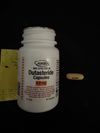
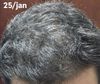
A 29-year-old woman with genetic hair loss started using 0.5 dutasteride a week ago and has noticed increased shedding, no sexual side effects, and less oily skin. She plans to provide updates and is not concerned about potential birth defects as she doesn't plan to have more children.
Hair loss is primarily caused by genetic sensitivity to DHT, not lifestyle factors like diet or exercise. Treatments like Minoxidil and Finasteride can help, but it's important to consult a dermatologist to determine the best approach for individual cases.
A 22-year-old woman is experiencing genetic hair loss and has tried natural remedies like coconut oil and aloe vera without success. She seeks advice on whether to see a dermatologist or use treatments like Minoxidil (Rogaine) despite her parents' skepticism about professional help and chemical treatments.
Hair loss is influenced by multiple genetic factors, not just maternal lineage. Treatments like finasteride, minoxidil, and nizoral are suggested if male pattern baldness progresses.
Pedro Pascal's full head of hair is likely due to genetics, finasteride, and possibly hair transplants. Many actors use finasteride to maintain their hair.
A 25-year-old man was prescribed dutasteride for early genetic balding, but he is concerned about its cost and potential side effects compared to the more common and cheaper finasteride. He is unsure if starting with dutasteride is necessary or if he was scammed, and seeks advice on whether to switch to finasteride.
Many younger men are experiencing hair loss due to genetics, diet, stress, and lifestyle changes. Treatments like finasteride and minoxidil are mentioned, with some users noting improvements.
The user discusses using Minoxidil and plans to start Finasteride for genetic hair loss. They also mention natural remedies like gold shilajit, moringa powder, a seed mixture, and cardio exercise, emphasizing that while these can help, Minoxidil and Finasteride are necessary.
The conversation humorously discusses hair loss treatments, mentioning Minoxidil, finasteride, and RU58841. It suggests that affordable genetic therapy could be the ultimate solution.
A user shared progress pictures after one year of using minoxidil with no side effects, asking about their collagen. Another user commented on the genetic aspect of hair loss.
ScottMills3 shared how to quickly get a prescription for generic Dutasteride (Dut .5mg) online through MedicalWellnessCenter, which cost $69.95 for the consultation and $31 for a 90-day supply. Another user suggested hidrb.com as a cheaper alternative, offering the same prescription for $15.
Hair loss involves more than just DHT, with genetic factors like TRPS affecting hair follicles. Treatments such as Amplifica's AMP-601 and AMP-303 target stem cells for potential hair growth solutions.
Finasteride is effective for DHT/AR-driven hair loss but not for chromosome 20-driven cases, where treatments like minoxidil, prostaglandin analogs, and low-level laser therapy may be more beneficial. Genetic testing can help determine the underlying cause of hair loss to tailor treatment effectively.
Diet and lifestyle changes can reduce hair shedding but won't regrow hair lost to genetic male pattern baldness. Treatments like finasteride and dutasteride are necessary for significant hair regrowth.
The conversation is about the impressive hair density and hairline of a person, with users attributing it to good genetics and joking about the lack of hair loss despite stress. Specific hair loss treatments like Minoxidil, Finasteride, or RU58841 are not discussed.
The conversation discusses how Caucasian men are more likely to experience hair loss due to genetic predisposition, with factors like the androgen receptor on the X chromosome playing a significant role. The user also expresses confusion about the evolutionary reasons for hair loss, especially in colder climates where it would seem beneficial to retain hair for warmth.
The user is unsure if their hair thinning is due to fungal infection/inflammation or genetic factors and is hesitant to start Minoxidil, finasteride, and RU58841. They are currently using Ketoconazole 2% and triamcinolone acetonide and are concerned about potential side effects from other medications.
The user switched from finasteride to dutasteride to address temple hair loss and obtained generic oral minoxidil. They are questioning the legitimacy of Camber's dutasteride compared to other options.
The user experienced worsening hair loss after switching treatments and is now using generic minoxidil and finasteride. They are considering continuing finasteride, trying dutasteride, or combining treatments like mesotherapy for better results.
DHT is not the only cause of male pattern hair loss; genetic sensitivity, inflammation, and fibrosis also contribute. GHK-Cu, a copper peptide, is being explored as an alternative treatment to finasteride and minoxidil, showing potential in improving follicle health.
A 19-year-old plans to start Dutasteride 0.5mg three times a week to combat genetic alopecia and preserve hair density, with concerns about potential shedding before prom. Users suggest starting the treatment after prom to avoid shedding, and provide advice on where to purchase the medication.
Stopping finasteride often leads to rapid hair loss, returning to a genetic baseline, as the drug temporarily halts hair loss and promotes regrowth. The discussion explores the complexity of hair loss, suggesting that factors beyond DHT, such as genetics and scalp conditions, may play a role.
Transplanting mice skin to humans is not feasible due to immune rejection, but some suggest genetic modification or immune suppression could make it possible. Xenograft hair transplants are discouraged.
Creatine may cause hair shedding in some individuals, particularly those with genetic sensitivity to hair loss, but this is not universally experienced. Finasteride users report mixed results, with some experiencing resumed shedding when taking creatine.
People discussed hair loss treatments, including finasteride, minoxidil, and microneedling, with varying results and concerns about genetics and hormone levels. Some users shared personal experiences with medication dosages and side effects, while others mentioned the impact of stress on hair loss.
Caffeine intake may increase DHT levels, but its impact on hair loss is minimal compared to genetic factors. Excessive caffeine can cause health issues, and its effects on hair loss are not directly applicable to humans based on rat studies.
The conversation discusses various theories of hair loss, including DHT sensitivity and genetic factors, with the user willing to use themselves for research due to having a hair loss gene but different hair loss patterns compared to their brothers. Specific treatments were not mentioned in the provided text.