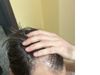
The user is experiencing hair loss at the hairline and is using finasteride, but considering minoxidil due to lack of improvement. Replies suggest that minoxidil may be more effective for hairline maintenance, especially when used in combination with finasteride.
The user is using multiple topical treatments including Minoxidil, RU58841, and Spironolactone, along with supplements, to address hair loss and is considering starting oral Minoxidil. They plan to begin oral finasteride soon after experiencing side effects from topical dutasteride.
A non-binary individual experienced hair loss after stopping hormone replacement therapy and is using oral Dutasteride, oral Minoxidil, and ketoconazole shampoo. They are hopeful for regrowth but may use wigs due to the high cost and uncertain effectiveness of additional treatments like mesotherapy and PRP.
The conversation covers aggressive hair regrowth treatments like Dutasteride, Minoxidil (oral and topical), RU58841, microneedling, and ketoconazole shampoo. It also mentions PRP, laser therapy, GHK-Cu injections, and hormone therapy for maximum regrowth.
The user is attempting to regrow hair using natural methods like microneedling, rosemary oil, and capsaicin tincture, avoiding medications like finasteride and minoxidil due to past health issues. Feedback suggests these methods are ineffective, with many recommending shaving or considering a hair system instead.
A 22-year-old is experiencing hair loss, particularly fuzzy hair in the front, and is concerned about male pattern baldness. Treatments mentioned include Propecia (finasteride), minoxidil, PRP treatments, dermarolling, peppermint oil, and apple cider vinegar.
The user has been managing hair loss with microneedling, Nutrafol, topical finasteride/minoxidil foam, LLLT, and Nizoral, and plans to add oral minoxidil. They are seeing improvement and are cautious about using oral finasteride due to past gynecomastia concerns.
Hair transplant recipients are concerned about whether dormant follicles are permanently damaged by incisions, but some believe undamaged follicles could still regrow if a treatment like PP405 is effective. Opinions vary on the impact of transplants on original follicles, with some suggesting treatments like finasteride can help regrow hair.
A peptide-based hair loss treatment, PP405, reportedly increased hair density by 62% in 90 days, but these claims are unverified and met with skepticism. Users compared PP405 to Minoxidil and Finasteride, expressing doubts about its effectiveness without more evidence.
Pelage PP405 is a new hair loss treatment in trials, potentially reactivating dormant hair follicles without affecting hormones. Results are expected in February 2025, offering an alternative to minoxidil and finasteride.
The conversation is about a female experiencing hair loss and seeking advice on why it's difficult to regrow hair. Specific treatments like Minoxidil, finasteride, or RU58841 are not mentioned.
Current treatments for hair loss include finasteride, minoxidil, and derma rolling. New treatments like Breezula, PP405, and others are not expected until at least 2027 or later.
Scalp tension potentially affecting hair loss, and potential treatments for male pattern baldness such as Minoxidil, Finasteride and RU58841. Evidence from a study was discussed which suggests that the cause of MPB lies within the follicle itself and is not dependent on its surrounding environment.
A 46-year-old man is using minoxidil, finasteride, and derma rolling for hair regrowth but is unsure of the results and considering a hair transplant. Many suggest he looks good bald and recommend continuing treatment or trying scalp micropigmentation.
The user reported healthier, firmer, and thicker hair follicles with minimal regrowth at the front after using Regenera Activa, topical finasteride, minoxidil, tretinoin, caffeine solution, and vitamin D supplements. Hair loss has stabilized with no side effects.
The conversation discusses hair loss and hairstyles for balding men, with some users suggesting treatments like Minoxidil, finasteride, RU58841, and dutasteride. The focus is on embracing unique hairstyles instead of shaving, with mixed opinions on their appeal.
PP405 is a promising molecule that may reactivate dormant hair follicles, potentially offering a new treatment for hair loss. It is in phase 2 trials, with possible availability between 2027 and 2030.
A woman with androgenetic alopecia uses Dutasteride and Bicalutamide but feels devastated due to increased sensitivity to DHT. She considers wigs, Minoxidil, and seeks advice on options like spironolactone, hair transplants, and therapy.
A 33-year-old male is documenting his hair regrowth progress using minoxidil, red light therapy, copper peptides, and micro-needling, with noticeable improvement in hair thickness and coverage. He plans to add a topical finasteride/minoxidil spray and aims for a shadow on his scalp rather than a full head of hair.
The conversation is about hair regrowth using topical finasteride, minoxidil, and keto spray, along with oral Saw Palmetto, Lustriva complex, collagen, and microneedling. Users discuss their experiences with these treatments, noting improvements in hair density and color, with some experiencing mild side effects.
Hair follicles can be dormant and potentially revived with treatments like finasteride and minoxidil, but irreversible loss occurs if certain structures are destroyed. Early intervention is more effective, and additional methods like microneedling may help.
PP405 is discussed as a potential hair growth stimulant, possibly more effective than minoxidil, but not a cure for hair loss. There is skepticism about its ability to regrow "deadzones," and concerns about its impact on those with hair transplants.
A user's hair regrowth journey using biotin and minoxidil after initial treatments with Nizoral shampoo and Ketoconazole serum didn't work. The comments suggest the hair loss might not be male pattern baldness (MPB), but possibly Alopecia Areata, an autoimmune disorder, and recommend getting a second opinion and considering other treatments like corticosteroids.
The conversation discusses the potential of topical rapamycin, metformin, and alpha-ketoglutarate (a-KG) for hair growth, with skepticism expressed about their effectiveness based on personal experience and existing use. It also mentions AICAR, known as cardarine or GW, which is not suitable for long-term use due to cancer risks in animal studies and its similarity to metformin.
Hair loss treatment with latanoprost, minoxidil, and biotin showed progress. Latanoprost, a glaucoma drug, stimulates anagen phase and increases conversion of vellus hair to terminal hair.
Stevia microneedles increased minoxidil absorption and hair growth in mice. The conversation humorously questions the applicability of these results to humans.
The conversation is a satirical discussion about a baby with hair loss using adult hair loss treatments like finasteride, minoxidil, and ketoconazole, as well as dermarolling, scalp massages, and plans for PRP sessions. Suggestions include various other treatments and humorous advice, reflecting the satire of the situation.
A 57-year-old man with male pattern hair loss and insulin resistance experienced hair regrowth and weight loss after using tirzepatide, without other hair treatments. Dysregulated glucose metabolism is linked to hair loss, with tirzepatide potentially improving hair density by normalizing insulin resistance.
The user is experiencing hair regrowth in small clusters using oral minoxidil, oral finasteride, a red light cap, and Nizoral 2% shampoo. They are hopeful for continued improvement and thicker hair.