Combining therapies like scyllo-inositol, alpha-ketoglutarate, and autophagy-inducing supplements may enhance hair growth and prevent hair loss. Reporting individual results can accelerate progress in hair loss treatments.
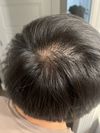
A 19-year-old noticed hair thinning and mild receding hairline, opting for a treatment regime excluding finasteride and minoxidil. The regime includes derma rolling, rosemary and coconut oil, a massage comb, a DHT-blocker shampoo, and vitamins B12 and Biotin.
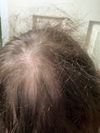
The user experiencing diffuse hair loss is using various treatments including RU58841, finasteride, minoxidil with tretinoin, anti-hair loss shampoo, and microneedling, and is considering adding peptides TB500, BPC157, and GHK-Cu. They have low growth hormone levels and are questioning its impact on hair loss, while another user suggests androgenic alopecia and androgens are likely the main cause of hair loss.
A 21-year-old male experiencing hair thinning and shedding was diagnosed with androgenetic alopecia and prescribed a topical solution containing 5% minoxidil and 0.1% finasteride, multivitamins, and 0.5mg dutasteride daily. He seeks confirmation on whether this prescription is typical for his condition.
Minoxidil, finasteride, and RU58841 are discussed as treatments for reducing hair thinning. The conversation focuses on the effectiveness of these ingredients in addressing hair loss.
A 21-year-old male has been experiencing hair thinning and receding since age 18 and is considering treatments like Minoxidil, finasteride, and RU58841. He regrets not starting treatment earlier.
The conversation discusses hair loss concerns, with suggestions to use finasteride (Fin) and minoxidil (Min) as treatments. Stress, creatine in protein shakes, and male pattern baldness are considered potential factors.
User "tresslessatbest" shares her experience with androgenic hair loss and treatments. She found success using men's Rogaine 5%, spironolactone, dermaroller, biotin, blackcurrant seed oil, prenatal vitamins, and Nizoral shampoo.
The user shared their hair journey, expressing regret over inconsistent barber visits and haircuts that led to thinning. They are considering using a combination of Minoxidil and finasteride for treatment.
A user with diffuse thinning shares a tip for improving hair appearance by using a shea butter and coconut oil serum from Trader Joe's at night. They are on finasteride and considering adding minoxidil for better results.
A user's extreme regimen for hair loss, which includes taking oral and topical medications such as minoxidil, dutasteride, cyproterone acetate and bicalutamide, but still experiencing miniaturization. Suggestions were made to try other treatments such as RU58841 and Pyrilutamide, while also considering mental health treatment and advice on lookmaxxing.
Body hair is more resilient than scalp hair due to different gene expressions and DHT sensitivity. Treatments like minoxidil and finasteride are used for hair loss, but they have varying effects on body and scalp hair.
The post discusses a holistic, bioenergetic approach to hair loss, focusing on diet, exercise, and lifestyle changes rather than traditional treatments like finasteride or minoxidil. Key dietary recommendations include fruits, milk, potatoes, butter, coconut oil, eggs, oysters, liver, and gelatin, along with moderate exercise and lifestyle adjustments to reduce stress.
The user experienced male pattern baldness starting at 18, tried finasteride with no success, and switched to dutasteride, which halted hair loss. Minoxidil had no effect for them, while their brother, who didn't use AR inhibitors, maintained a juvenile hairline and successfully grew a beard with minoxidil, highlighting the unpredictable nature of genetics in hair loss and treatment response.
A 17-year-old is experiencing early hair thinning and is considering oral minoxidil while being cautious about finasteride due to side effects. They seek advice on hair maintenance and plan to consult a doctor before using DHT blockers.
An 18-year-old is concerned about hair thinning and is considering starting Minoxidil and finasteride. They are seeking advice on whether to begin these treatments.
The conversation is about a 19-year-old female experiencing hair loss, potentially due to deficiencies in iron, ferritin, and vitamin D. She is considering iron and vitamin D supplementation and exploring dietary changes, while also planning to consult a dermatologist when possible.
A potential treatment for hair loss that involves injecting fat into the scalp; the role of testosterone and estrogen in thinning fat tissue under the skin; research on using lard to treat androgenic alopecia, as well as PRP + ACELL/amniotic stem cell treatments; and ongoing clinical trials by doctors involved in the study.
A 22-year-old male experiencing hair thinning and loss, possibly due to seborrheic dermatitis or low vitamin D, is cautious about using minoxidil or finasteride due to heart palpitations and high blood pressure. Suggestions include using ketoconazole shampoo to control inflammation and focusing on treating the dermatitis first.
Diffuse thinning is often due to androgenetic alopecia, and DHT blockers like finasteride are recommended. Treatments mentioned include minoxidil, finasteride, dutasteride, and RU58841, with emphasis on starting early and using a holistic approach.
A 24-year-old noticed hair thinning over 4-6 years and is seeking advice on whether it can be salvaged. Treatments mentioned include Minoxidil, finasteride, and RU58841.
The conversation discusses the potential link between gut health and hair loss, with personal experiences of hair thinning and stomach issues shared. Some individuals found no success with common hair loss treatments like Minoxidil and Finasteride and are exploring the impact of gut health on hair growth.
The user experienced significant hair regrowth using 1mg finasteride every other day, 5% minoxidil twice daily, and ketoconazole shampoo. The progress was noted as impressive, with some users questioning the authenticity of the results.
The user is experiencing significant hair thinning on the front scalp while taking oral finasteride and minoxidil. They are unsure if it's androgenetic alopecia or related to seborrheic dermatitis.
A 20-year-old male experiencing hair loss is using finasteride for 8 months and is considering a digital perm but is concerned about potential hair damage, especially at the thinning hairline. Advice given includes continuing finasteride, using gentle hair products, and possibly trying topical minoxidil or CBD cream for scalp care.
The user is concerned about potential hair thinning and has been using minoxidil and finasteride for a year, noticing some new hair growth. They recently started microneedling to improve minoxidil absorption and seek advice on applying it to the crown area.
A man with thick, white hair is admired for his genetics, leading to discussions about hair loss and the preference for white hair over balding. Some speculate about the use of treatments like finasteride.
User experiences slow hair regrowth despite using finasteride, topical minoxidil, and supplements like biotin, zinc, and collagen. They seek advice on addressing overall slow hair regrowth.